
Hmm, we’ve all seen that image in the mirror, haven’t we? The one where it *looks* like everything’s perfectly poised, balanced, serene… until you get closer. And often, the secret lies in the asymmetry itself, cleverly balanced by another element. But what about *you*? How do you, with some hair, turn what could be perceived as unbalanced into something striking, intentional, maybe even “asymmetrical balance!”? It’s a fun little challenge, isn’t it? Let’s play.
Whether you’re battling an asymmetrical jawline, dealing with hair that parts beautifully on one side but awkwardly on the other, or just naturally have one side of your face that gathers more life than the other, how you style your hair can transform the look. It can add drama, draw attention, and crucially, create that feeling of equilibrium without resorting to symmetry. The key? Strategic framing, intentional layers, and maybe a bit of cheeky asymmetry to pull it all together. Ready to explore how? Let’s dive in with some examples.
Layering for Dimension Above the Arch
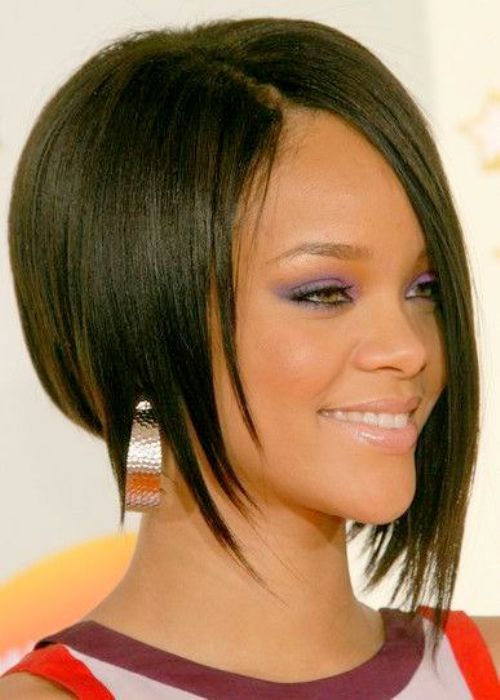 Look at this example: the hair doesn’t try to cover everything evenly; instead, it layers specifically above the more prominent arch of the jaw. This is a classic technique for taking the asymmetry and turning it into a feature, rather than a flaw. The length here isn’t uniform, and that’s the point. It draws attention upwards, potentially softening the curve below and adding depth right where needed to create that feeling of balance, even in its unevenness.
Asymmetrical Balance: Beyond the Part
 This pin captures a core concept neatly. ‘Asymmetrical balance’ isn’t just about getting similar lengths on either side; it’s about arranging different lengths, textures, or placement in a way that visually feels stable. Think different hairstyles, accessories, or even how light and shadow play on uneven surfaces. Here, the hair itself embodies that principle – perhaps with a textured cut on one side and sleeker strands on the other, arranged deliberately to compensate for facial asymmetry. It’s about the dynamic equilibrium, where the eye naturally finds a point of rest despite the differences.
The Power of the Parted Frame
 Consider this idea of framing. The part isn’t always the central line of symmetry; sometimes, it becomes a powerful tool. In this hairstyle, the part isn’t centered, but it’s clearly defined, and look – it’s being used to draw attention to one side of the profile. There’s a purpose here. By emphasizing one side more – perhaps with more texture or layering within the part itself – the hairstyle strategically creates a visual focal point. This directed gaze helps to shift the balance, making the whole look feel intentional rather than just unbalanced.
Short on Length, Long on Impact
 Short hair often feels more dynamic, especially when asymmetrical. Here, the cut deliberately uses length to its advantage, but unevenly. That’s the modern drama! The asymmetry emphasizes the contrast – maybe with a very short, sharp crop above the ear and longer pieces cascading down the other side. This uneven distribution isn’t chaotic; it’s carefully considered. The shorter side might actually appear to recede, while the longer strands pull weight downwards or sideways. It’s a low-profile way to introduce asymmetry that commands attention through contrast and clever framing.
Modern Minimalism Meets Asymmetry
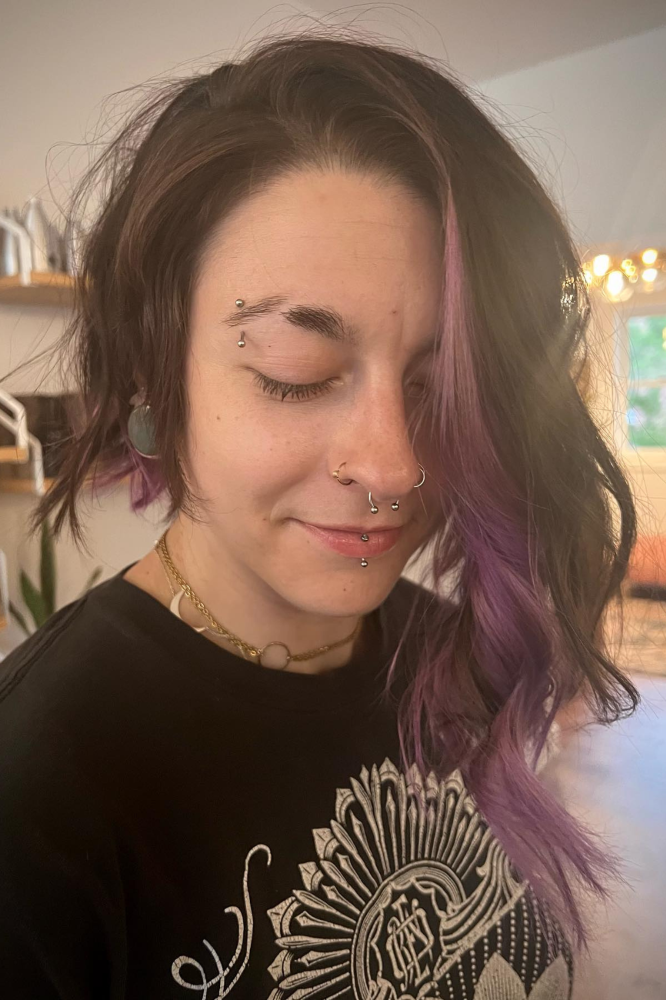 This image presents asymmetry as pure, contemporary chic. The styling isn’t heavy or complicated; it’s about clean lines and precise shape. The asymmetry here might be in the slight undercut or the way the hair falls unevenly across the face, but the overall feel is sophisticated and minimalist. This suggests that asymmetrical balance doesn’t need to be about drastic layers or contrasting styles. Sometimes, a clean, graphic asymmetry – perhaps defined shapes or very specific undercut patterns – can achieve a powerful look by clearly outlining the head’s structure and introducing visual interest through unevenness in a very modern way.