

Ever Wondered Why Your Hair is Suffering?
Think about it. You’ve got this magnificent castle on your head – your hair. It’s a fortress, delicate yet strong, capable of holding up crowns and wardrobes. Yet, everyday habits, perhaps something as simple as the way you scrub it or the water temperature you choose, could be its silent assailant. Shocks in the hair care world aren’t just whispers; they’re thunderclaps. The standard advice, often bandied about without scrutiny, might not be enough to guarantee the vibrant, healthy locks you envision. Are you unknowingly waging war on your hair’s kingdom with ineffective, even damaging, methods? It’s time to challenge convention and look beyond the surface, because the path to true hair wellness might lie not in just *cleaning* it, but in deeply understanding and nurturing it.
Stop the Overzealous Scrubbing!
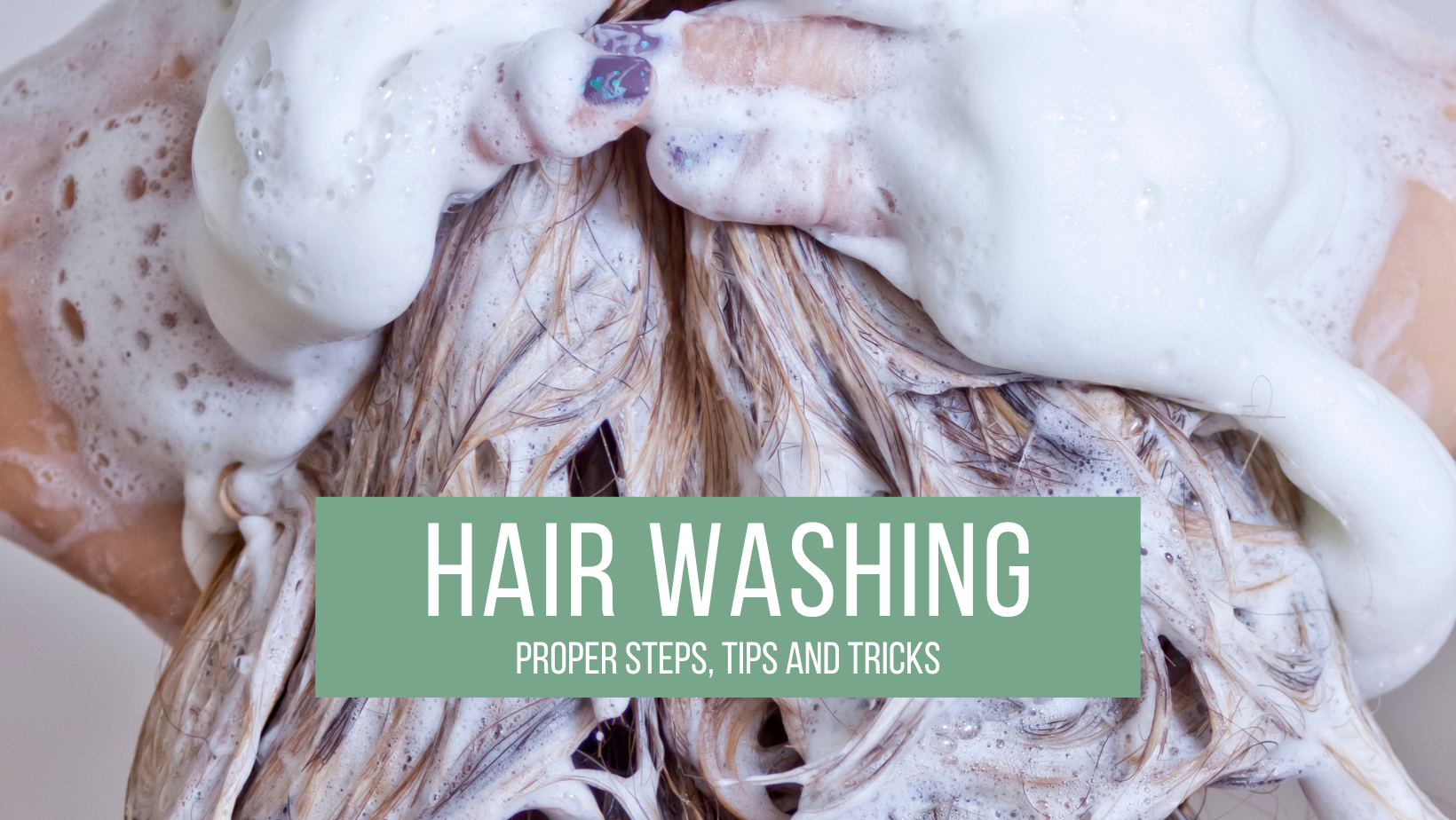
 This is where the ‘you’re probably doing it wrong’ sentiment hits hardest. Think of aggressive scrubbing, whether manicured fingers or a stiff-bristled brush, like vigorously polishing a priceless antique vase with sandpaper. You might remove dirt, but you’re simultaneously stripping away precious moisture, disrupting the natural cuticle alignment, and laying the groundwork for dryness, brittleness, and split ends. The natural oils, your hair’s first line of defense, are also banished. The goal isn’t to scour the scalp raw, but to gently cleanse. Switch to lukewarm water for gentler cleansing, and use products designed for *gentle* cleaning, not harsh stripping. Think cleansing conditioners or balancshampoo for sensitive scalps – they offer a kinder approach to removing impurities without sacrificing structural integrity.
The Crucial Temperature Showdown
 The water temperature debate rages, and it matters profoundly. Hot water is like setting your hair’s cuticles ablaze. It causes them to lift uncontrollably, stripping the hair of its internal hydration and making it feel rough and frizzy. Cool, or even cold water (yes, really!), is the knight in shining armour. Rinsing with cool water helps seal the cuticle layer, reducing frizz significantly, locking in moisture, and leaving your hair looking smoother and less prone to damage. Imagine the cuticle as overlapping shingles on a roof. Cool water helps them lie perfectly flat and snugly together, creating a protective, smooth surface. Warm or hot water makes these shingles curl and lift, letting the wind (or humidity) in and causing all sorts of trouble. So, save that hot water for refreshing your shower, not for your hair’s finale rinse.
Deep Tissue Scalp Massage: Your Hair’s Best Friend
 Remember those tense knots in your shoulders after sitting at a desk all day? Your scalp can feel similarly neglected. Massaging the scalp during washing isn’t just a luxurious spa moment; it’s physiological magic. The gentle circular motions stimulate blood circulation right to the roots of your hair. Think of it as invigorating the tiny factories beneath your skin, pumping vital nutrients and oxygen upwards. This increased blood flow isn’t just good for your scalp’s health; it promotes hair growth, strengthens the hair follicle, and leaves your scalp feeling invigorated rather than clogged or itchy. So, make it a ritual – lather up, place your fingertips strategically, and work in gentle, circular motions, ensuring you cover the entire scalp. It’s pampering from the source.
Conditioner: The Castle Wall Protector
 This one’s another common misconception to debunk. Applying conditioner *only* to the ends is standard advice, but think about it – what happens to the middle and roots? Pliable hair that gets too wet can clump and become a nightmare to detangle later (unless you detangle *before* rinsing or washing, when the hair is less likely to knot). Applying a dime-sized amount directly to your scalp or roots before the final rinse hydrates the hair shaft and makes detangling easier. Use a leave-in conditioner or a targeted root treatment occasionally for added body without weighing it down. The key is knowing your hair type and adjusting accordingly, but strategically conditioning the whole length (using a lower concentration or a detangling solution on wet ends) ensures overall hair health and reduces friction during the drying process, preventing breakage.
Apart from the external care, It’s About Understanding Your Own Unique Hair Type
 You likely have a specific hair type, maybe even a couple. Oily strands require different tools than dry, porous hair. Curly hair has unique needs compared to straight hair. It’s easy to follow generic instructions until they fail spectacularly. The unique appeal lies in looking beyond the one-size-fits-all approach and tailoring your routine. Understand your texture, your porosity (does it absorb products easily? Does it need help retaining moisture?) Are you prone to dryness, oiliness, breakage, or colour fading? Choosing products specifically formulated for *your* hair type is not merely a convenience; it’s essential for building a truly effective routine. The difference between beautiful, healthy hair that looks vibrant and hair that’s constantly fighting unseen battles comes down to understanding your unique hair composition and responding with a personalized care strategy.