
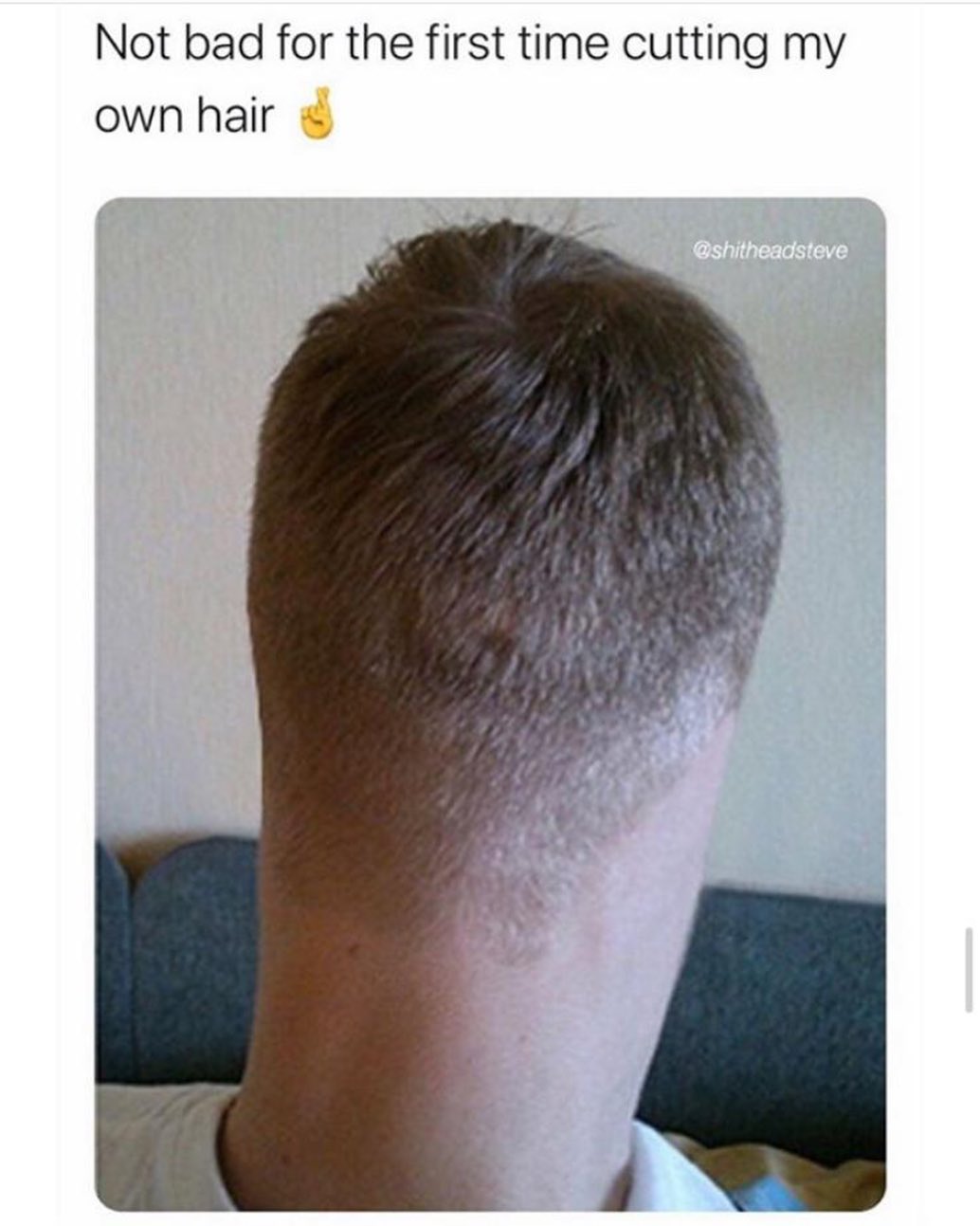
There’s a certain thrill in defying convention—especially when it comes to something as personal as a haircut. I’d always relied on professionals, convinced that only they could deliver the perfect blend of style and precision. But after one too many salon bills that could fund a weekend getaway, I decided to take matters into my own hands. What started as a desperate attempt to save money quickly spiraled into an unexpected lesson about priorities, vanity, and the true cost of self-care.
From Clippers to Curiosity: The First Cut
 The first time I picked up the clippers, my hands shook like a leaf in a storm. The mirror became my harshest critic, magnifying every uneven snip. I Googled tutorials until my eyes glazed over, convinced that a single misstep would leave me resembling a plucked chicken. But after 20 minutes of sheer terror—and a few deep breaths—I emerged with something resembling a haircut. It wasn’t salon-perfect, but it was *mine*. And in that moment, I felt a strange sense of empowerment. The savings? A cool $50. The confidence boost? Priceless.
The Unexpected Aftermath: A Hat Collection Was Born
 Here’s the twist: my hair wasn’t exactly *flawless*. The layers were uneven, the back was a little too short, and my bangs? Let’s just say they had a mind of their own. But instead of cringing every time I passed a reflective surface, I did something radical—I leaned into it. A bold fedora became my new best friend, followed by a slouchy beanie, then a wide-brimmed sunhat that screamed “I’m an artist” (or at least, that’s what I told myself). Suddenly, my “bad” haircut wasn’t a failure—it was a fashion statement. The hats weren’t just accessories; they were armor. And the best part? They cost less than one salon visit.
DIY Haircuts: The Ultimate Money-Saving Hack (With a Catch)
 Let’s be real: cutting your own hair isn’t for the faint of heart. It requires patience, a steady hand, and the ability to laugh at your own mistakes. I’ve had haircuts that lasted all of three days before I threw in the towel and called a professional (yes, even I have my limits). But the savings add up. Over a year, I estimate I’ve cut my grooming budget by nearly 60%. That’s money I’ve redirected toward things that actually bring me joy—like a spontaneous coffee date or a new book. The key? Setting realistic expectations. If you’re aiming for a pixie cut, maybe leave that to the pros. But for a simple trim or a blunt lob? You’ve got this.
When Vanity Meets Practicality: The Real Cost of Looking Good
 Here’s the hard truth: saving money on haircuts forced me to confront my own vanity. I realized how much I’d tied my self-worth to external validation—how a bad haircut could send me spiraling into a day-long pity party. But cutting my own hair taught me that imperfection isn’t the enemy. In fact, it’s often the most interesting part of the story. The hats, the bad angles, the uneven layers—they all became part of my narrative. And the money I saved? It bought me something far more valuable than a perfect blowout: peace of mind.
The Final Revelation: Sometimes, the Best Investment Isn’t What You Spend
 In the end, my DIY haircut experiment wasn’t just about saving a few bucks—it was about redefining what “worth it” really means. I still visit the salon occasionally, but now it’s a treat, not a necessity. The hats? They’re a reminder that sometimes, the things we think are flaws are actually the details that make us unique. And the money I’ve saved? It’s funding experiences, not just expenses. So if you’ve been on the fence about ditching the salon chair, I say go for it. Worst case, you’ll learn a new skill. Best case? You’ll discover that the best version of yourself isn’t defined by how much you spend—but by how much you’re willing to embrace the unexpected.