

The illusion of density created by blunt cuts is a fascinating concept that appears across various fields and visual contexts. Whether in scientific visualizations, physical simulations, hairstyles, culinary presentation, or hypnotic art, the perception of density is often manipulated to produce striking effects or clarify understanding. This article explores different manifestations of density illusions, focusing on how blunt cuts or sharp separations contribute to our visual and cognitive experience.
Geometric Interpretation of Density-Slicing Techniques
 Density slicing is a powerful technique used often in image processing and scientific visualization to segment data based on intensity or density levels. Sharp or blunt cuts across data ranges create discrete slices that simplify complex density information into understandable layers. This geometric interpretation helps reveal hidden structures within data by isolating specific ranges, giving the illusion of solid, distinct blocks of density. The bluntness of cuts ensures clear visual boundaries, enhancing our perception of density differences.
Simulating Physical Cuts in Deformable Bodies
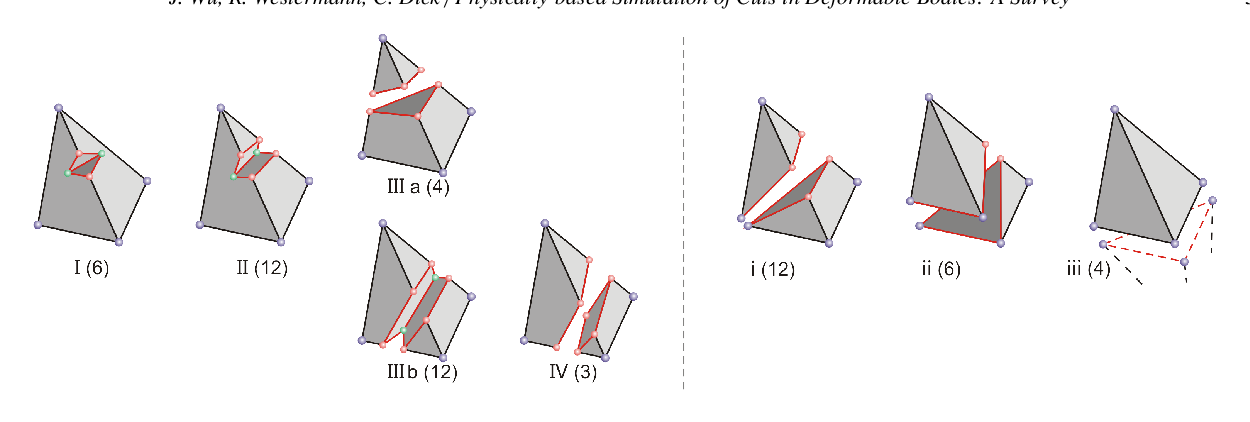 In computer graphics and physics simulations, blunt cuts simulate how materials or objects deform and break under force. These simulations mimic the illusion of density by distinguishing solid structures from empty space or less dense regions inside an object. Blunt cut interfaces create abrupt changes in the model, strengthening the sense of volume and solidity. These physical representations are critical for realistic animations and understanding material behavior, giving users a tangible perception of density through sharp edges and clear separations.
Illusion of Density in Hair Transplants
 In the realm of hair transplantation and styling, the illusion of density is a crucial aesthetic goal. Blunt cuts and precise hairline shaping create visual density by defining sharp boundaries between hair sections and scalp exposure. These deliberate cuts produce shadows and contrasts that trick the eye into perceiving fuller, thicker hair even when actual hair density may be moderate. The technique balances natural volume with controlled precision to enhance the overall appearance effectively.
Visual Density in Culinary Presentation
 Culinary art often relies on visual density illusions to make dishes look more abundant and appetizing. Arranging different types of food with blunt, clean separations can emphasize texture and volume, reinforcing a sense of richness and abundance. The contrast between components highlights density differences, making portions appear more generous. These sharp distinctions between food elements lead diners to perceive the culinary experience as filling and diverse, blending visual aesthetics with taste anticipation.
Hypnotic Tessellations and Dimensional Density Illusions
 In art and design, tessellations create illusions of infinite density and depth through repetitive geometric patterns. Blunt edges of cubes or shapes emphasize the boundaries that generate optical illusions, tricking the brain into interpreting flat images as three-dimensional spaces with complex density layers. These hypnotic patterns captivate observers by exploiting space perception, making them question the solidity and density of the surfaces they view. The blunt cuts between each element provide necessary definition that makes the illusion effective and visually appealing.
The illusion of density through blunt cuts is a versatile phenomenon that transcends different disciplines and mediums. From scientific imaging to creative arts, the manipulation of sharp boundaries sharpens our visual experience, helping us interpret complexity as understandable forms with perceived solidity and volume. This interplay between perception and reality continues to inspire innovation and creativity in fields ranging from technology to everyday aesthetics.