

Crafting a look is a form of self-expression, a way we frame ourselves to the world. But true beauty lies in embracing the unique architecture of who we are. We all possess distinct face shapes and hair textures, features that define our individuality. Discovering hair styles that complement our unique facial architecture isn’t about conformity; it’s about amplifying our inherent strengths and accentuating the features that make us, us. It’s about finding inclusive hair styles, approaches that resonate across diverse face shapes, celebrating the subtle differences and the bold similarities that connect us all.
Reveling in Structure: Enhancing the Pear Body Shape
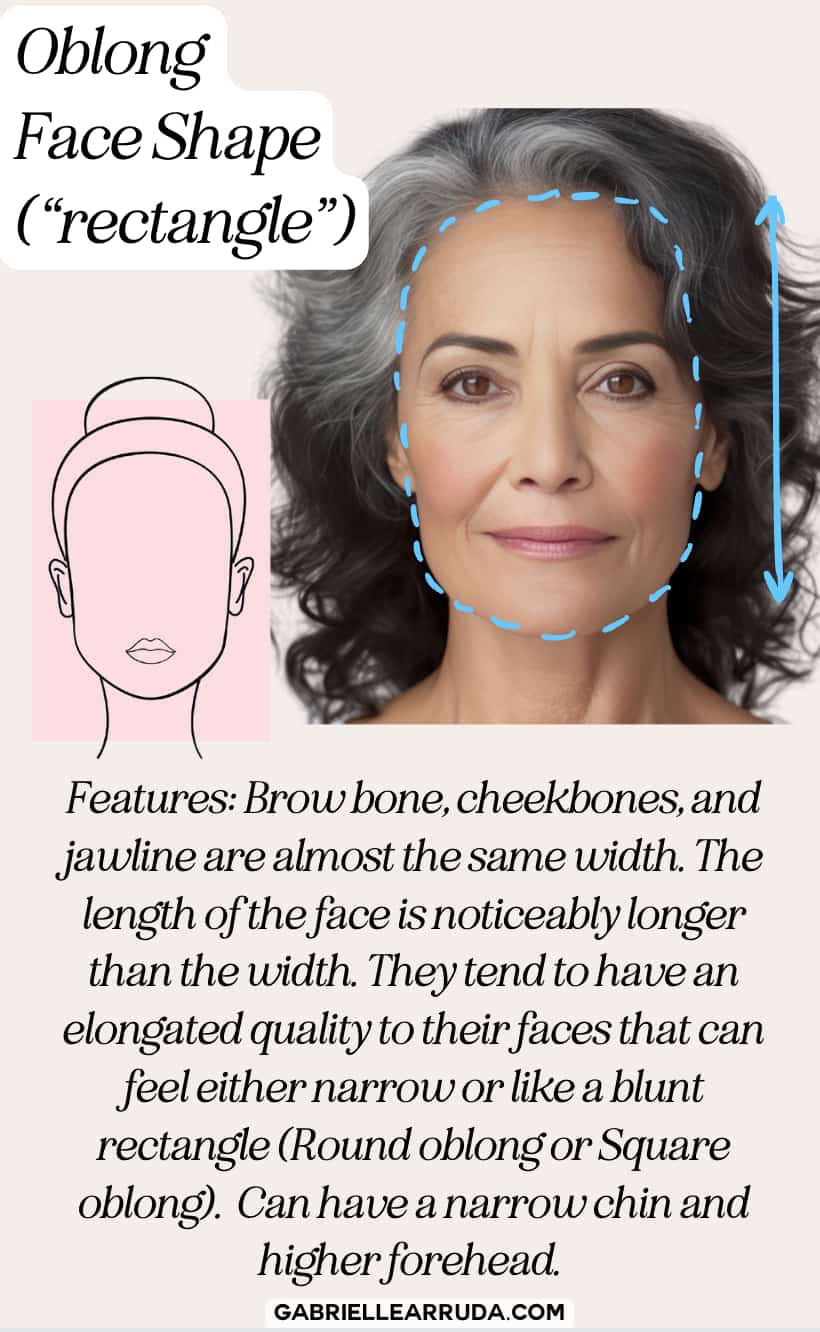 The world of face shapes is wonderfully varied, as unique and diverse as the individuals who possess them. One such common classification is the oblong or rectangular shape, characterized by width that remains relatively consistent from the forehead to the jawline, often with less defined jaw definition compared to the forehead width. This balanced structure presents a distinct canvas. Finding flattering hair styles is about balancing this silhouette or highlighting its specific contour. Experimenting with textures and strategic layers can work wonders.
Defining Your Oval
.png)True icon, the oval face shape holds a revered place in the world of styling. This classic form offers a beautiful blend of proportions: generally balanced forehead, eye, cheek, and jaw sizes. Its very harmony means most styles tend to look great. Oval faces possess the distinct advantage of a versatile landscape for hair. Symmetrical styles often highlight this shape beautifully. The key is to simply allow hair to frame features naturally, letting the balanced canvas guide the choices.
Angles and Elegant Lines: Mastering Rectangle Face Shapes
.jpg)Oval shapes, much like the perfectly drawn human face, boast an ideal proportion and balance. This symmetrical harmony often makes them adaptable to many styles, but it doesn’t mean they need to be restricted. The elegance and balance of the oval face mean that clean lines and well-defined features are always appealing. Long, balanced styles can emphasize this harmony, while well-placed layers can soften any edges, maintaining the graceful composition unique to this classic shape.
Softening the Silhouette: Elegant Styles for Round Face Shapes
.jpg)Around face shapes, often round and soft-edged, feature width that extends equally from the temples to the jawline, creating frames reminiscent of delicate eggs. Framing this shape involves specific considerations, though many styles can still look stunning. Think layers around the jawline to add definition and verticality; volume at the roots can lift the impression of width without being overwhelming. Soft styles and textures can beautifully soften the broader impression, drawing attention away from the subtle roundness while highlighting the unique charm of this particular configuration.
Sidebangs: The Art of Subtle Flattery for Various Face Types
.jpg)Some face shapes carry certain characteristics that can feel less obvious in conventional styling, such as a rounder jawline or a soft jawline curve. This doesn’t mean compromises are necessary. The right approach can draw attention upwards, creating more defined features and highlighting the jawline’s unique structure. Styles involving well-executed layering, subtle volume-building techniques, and perhaps defining natural lines of the face can offer sophisticated solutions. It’s about elevating the silhouette and respecting the specific geometry, turning it from a quiet challenge into an invitation for tailored elegance.
Embracing Balance and Feature Guidance
.jpg)Ultimately, the power of a well-chosen hair style lies in its ability to direct and refine perception. Whether your face shape is classic oval, timeless rectangle, charming round, or perhaps oblong, strategic styling choices act like expert architects, shaping light and accentuating preferred features. Volume at the roots or crown lifts the impression; defining side fringes guides the eye upwards; layering adds movement, breaking down potentially wider impressions. It’s a careful interplay, but the result is powerful: projecting confidence and celebrating the unique composition that makes each person a unique work of art.