
Is the secret to that dreamy, luscious mane we all crave really just science? Well, maybe biology and good genes are part of it, alongside a great hair product and maybe some moonlight. But while styling and vitamins (like those biotin boosters) grab the headlines, the *actual* growth process deserves more exploration. Think of it as less shampoo and more fascinating biology – like an unsung hero diligently adding tiny keratin bricks every day! This journey is less about styling and more about understanding hair’s inherent mechanics and responding to science. Is that potential being fully tapped?
Unraveling the Cellular Symphony: The Building Blocks
 This image offers a glimpse into the cellular symphony at work, reminding us that hair growth is a complex biological process. The journey of a hair follicle from the bulb, pushing keratin upwards, is methodical and relies on precise cellular division and protein assembly. It’s not a glamorous performance, but the science is fascinating, detailing how your hair’s thickness, texture, and ultimately its growth speed and length are determined by intricate biological processes happening right beneath the skin.
Myth vs. Reality: Does Moonlight Fuel Your Grow-Out?

The Hair Growth Cycle: A Tale of Three Phases
 This is a classic scientific breakdown, simplifying the complex biochemistry behind hair into manageable phases. The hair growth cycle isn’t a constant state but a rhythmic process: the active growth phase (anagen), where keratinocytes divide rapidly; the transitional phase (catagen), where growth pauses and the bulb shrinks; and finally, the resting phase (telogen), where the hair shaft waits to be shed. Understanding this cycle is fundamental – it means our hair isn’t growing non-stop, and that healthy length comes from living long enough among your predecessors on the head. It’s a microscopic dance of beginnings, middle ends, and endings.
Nutritional Boosters and the Biotin Question
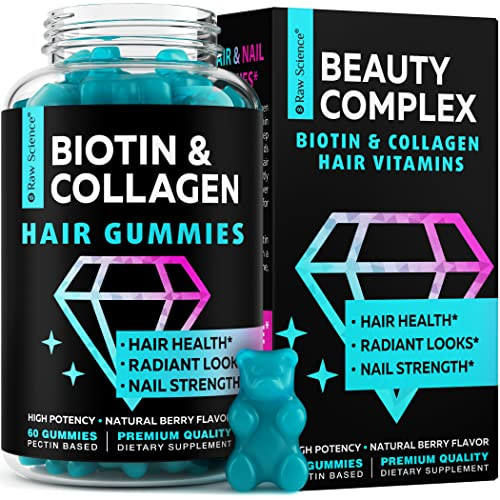 The image hints at a crucial, scientifically-verified aspect: nutrition. Certain B vitamins are vital for cellular function and protein synthesis, the very building blocks of hair. Enter biotin, often highlighted in hair care vitamins. While deficiencies can be a problem, the scientific consensus on whether biotin or specific hair vitamins actually *stimulate* growth beyond a balanced diet or the hair’s natural cycle is still complex and debated. This image, while promotional, touches on the legitimate idea that providing essential nutrients supports the complex machinery already at work, preventing weakness rather than magically multiplying strands.
Beyond the Strand: Variations in Texture and Growth
 The science of hair growth doesn’t just govern the process; it influences the final product. Why do some strands grow long and shine while others remain stubbornly shorter in the back? Genetics play a major role, dictating the shape and texture of the hair shaft, which in turn affects how light interacts with it (shine) and perhaps even how prone it is to breakage versus seamless elongation. The image suggests that the fundamental science covers variations in hair type – from sleek straight strands to springy curls – each an outcome of specific biological mechanisms and configurations shaping growth not just in length, but in character.