

Have you ever walked out of the salon feeling like your haircut didn’t quite hit the mark? You’re not alone. Many people confuse a dusting with a trim, assuming they’re the same thing. But here’s the truth: while both involve snipping away split ends, a dusting is a precision technique designed to preserve length while eliminating damage. It’s not just about trimming—it’s about rejuvenating your hair from the inside out. The fascination with dusting lies in its ability to transform dull, frayed strands into healthier, fuller-looking locks without sacrificing volume. Whether you’re battling breakage or simply want to maintain your style, understanding the difference could be the key to unlocking your hair’s true potential.
Hair Trim Vs Dusting: What’s the Real Difference?
 At first glance, a trim and a dusting might seem identical—both involve cutting the ends of your hair. However, the approach couldn’t be more different. A traditional trim often removes more length, targeting bulk and uneven layers. It’s a maintenance step, but it doesn’t necessarily address the microscopic damage lurking in your strands. Dusting, on the other hand, is a meticulous process where the stylist twists small sections of hair and snips only the frayed, split ends that protrude. The result? Minimal length loss and maximum damage control. If you’ve ever noticed your hair looking thinner after a trim, dusting might be the gentler alternative you’ve been searching for.
Why Dusting Preserves Your Length (And Your Style)
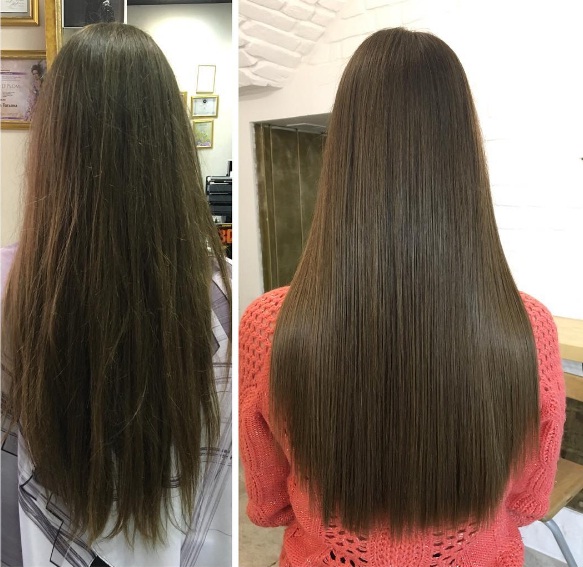 One of the most frustrating experiences for anyone with long hair is watching it shrink after a haircut. A trim can sometimes feel like a betrayal—just when you’ve grown your locks out, they’re suddenly shorter. Dusting changes that narrative. By focusing solely on the damaged ends, it preserves your length while eliminating the weakest points of your hair. This technique is especially popular among those with fine or thinning hair, where every inch counts. Imagine keeping your shoulder-length bob intact while banishing split ends that make your hair look frizzy and lifeless. Dusting doesn’t just cut—it protects, ensuring your style stays intact for weeks longer than a traditional trim would allow.
How to Do a Hair Dusting at Home (Without the Salon Price Tag)
 Not everyone has the budget or time for frequent salon visits, but that doesn’t mean you have to sacrifice your hair’s health. Dusting can be done at home with the right tools and technique. Start by washing and detangling your hair, then divide it into small sections. Twist each section gently to expose the split ends, and use sharp hair scissors to snip only the frayed bits that stick out. The key is patience—rushing through the process can lead to uneven results. For those with fine hair, dusting every 6-8 weeks can make a noticeable difference in texture and shine. It’s a small effort with big rewards, proving that you don’t need a professional to keep your hair in top shape.
What Is a Dusting Trim? The Best of Both Worlds
 The term “dusting trim” might sound like a contradiction, but it’s actually the perfect blend of both techniques. Unlike a standard trim that can leave your hair looking blunt or uneven, a dusting trim focuses on refining the ends while maintaining shape. It’s ideal for those who want to refresh their style without losing volume or definition. Picture this: your layers are still intact, your curls bounce with renewed energy, and your split ends are a distant memory. A dusting trim is particularly beneficial for curly or wavy hair, where traditional trims can disrupt natural patterns. It’s not just a haircut—it’s a reset button for your hair’s health and appearance.
When to Choose Dusting Over a Traditional Trim
Deciding between a dusting and a trim depends on your hair’s needs and your personal goals. If you’re dealing with excessive breakage, frizz, or a lack of shine, dusting is your best ally. It’s also the go-to choice for anyone growing out their hair, as it prevents the need for drastic cuts while keeping damage at bay. On the other hand, a traditional trim might be more suitable if you’re looking to reshape your layers or remove bulk. The key is to communicate openly with your stylist about what you want to achieve. A great hairdresser will know when to recommend dusting over a trim—and when to combine both for the ultimate hair revival.