

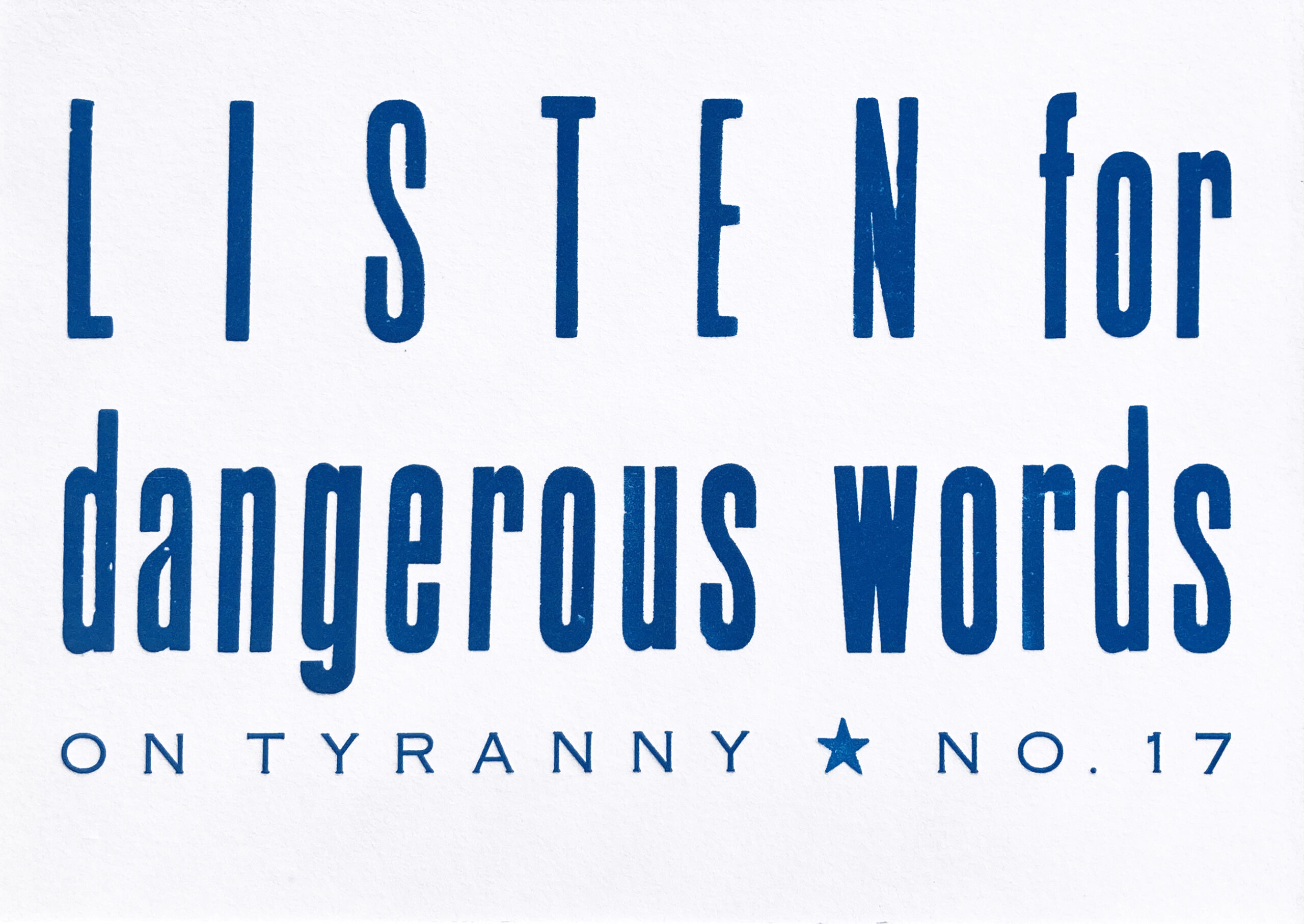
In the world of promises, expectations, and commitments, there’s a subtle yet powerful phrase that often slips unnoticed into conversations: “just a trim.” It’s the kind of phrase that sounds harmless at first glance, almost reassuring in its simplicity. But beneath the surface, it carries a weight that can reshape entire narratives, alter decisions, and even redefine trust. These three words, so casually tossed around, have the potential to dismantle carefully constructed plans, erode confidence, and leave behind a trail of unmet expectations. They’re not just words—they’re a warning disguised as convenience, a shortcut that often leads to a dead end. What makes them so dangerous isn’t their intent, but their ability to distort reality before anyone realizes the shift has occurred.
When “Just a Trim” Becomes a Compromise
 There’s a moment in every project, every relationship, and every personal goal when the line between “good enough” and “not quite right” blurs. That’s when “just a trim” enters the conversation. It’s the haircut that’s supposed to be quick and easy, but ends up leaving you with uneven layers and a sinking feeling in your stomach. It’s the promise of a minor adjustment that quietly spirals into something far more significant. The danger lies not in the act itself, but in the illusion of control it creates. By framing a substantial change as a minor one, it lulls you into complacency, making it easier to accept less than you originally envisioned. The next time someone says “just a trim,” ask yourself: Is this truly a small adjustment, or is it the first step toward something far more consequential?
The Illusion of Simplicity in Complex Promises
 Promises, like promises in a relationship or commitments in a business deal, are rarely as simple as they seem. Yet, we often fall into the trap of believing that adding “just” before a request or requirement will make it more palatable. “Just a trim” sounds so much more manageable than “a significant change,” doesn’t it? But simplicity is often a facade, a way to mask the true implications of a decision. When you agree to “just a trim,” you’re not just agreeing to a small adjustment—you’re agreeing to a process that may require far more time, effort, or compromise than you initially bargained for. The danger isn’t in the words themselves, but in the false sense of security they provide. It’s the difference between a minor tweak and a fundamental shift, and recognizing that difference early can save you from a world of disappointment.
Why “Just a Trim” Can Derail Even the Best-Laid Plans
Consider the last time you heard someone say, “It’s just a trim.” Maybe it was in the context of a haircut, a home renovation, or even a personal goal. The phrase has a way of making the impossible feel within reach, the overwhelming feel manageable. But here’s the catch: “Just a trim” is a gateway phrase. It opens the door to incremental changes that, over time, can accumulate into something entirely different from what you started with. A haircut that’s “just a trim” might end up being a drastic change. A project that’s “just a trim” in scope might balloon into something far more complex. The danger isn’t in the phrase itself, but in the way it allows us to rationalize decisions that, in hindsight, we might regret. The next time you’re tempted to accept “just a trim,” pause and ask: What’s the real cost of this small change?
From “Just a Trim” to “This Is Fine”: The Slow Burn of Acceptance
 There’s a meme that circulates online, featuring a cartoon dog sitting in a burning room with the caption “This is fine.” It’s a perfect metaphor for how we often rationalize small compromises until they become something far more destructive. “Just a trim” is the first spark in that fire. It starts innocently enough—a minor adjustment here, a small change there—but before you know it, you’re surrounded by flames. The danger of these three words isn’t just in what they promise, but in what they allow us to ignore. They give us permission to overlook the bigger picture, to focus on the immediate relief rather than the long-term consequences. And like the dog in the meme, we tell ourselves it’s all under control, even as the room around us burns. The key to avoiding this trap is to recognize the moment “just a trim” enters the conversation and ask: Where does this lead? What am I really agreeing to?
The Power of Saying No to “Just a Trim”
 At the heart of the issue is agency—the power to choose. When you hear “just a trim,” you have a choice: to accept it at face value or to dig deeper. To question the implications. To demand clarity. The most dangerous words in any language are often the ones that sound the most harmless, and “just a trim” is no exception. It’s a phrase that preys on our desire for simplicity, our aversion to conflict, and our tendency to underestimate the ripple effects of small decisions. But here’s the truth: every “just a trim” is a negotiation. Every “just a trim” is a test of your boundaries. And every time you say no to it, you reinforce your own agency. The next time someone suggests a “just a trim,” don’t let the simplicity of the phrase fool you. Ask the hard questions. Demand the full picture. Because in the end, it’s not just a trim—it’s a decision that could change everything.