
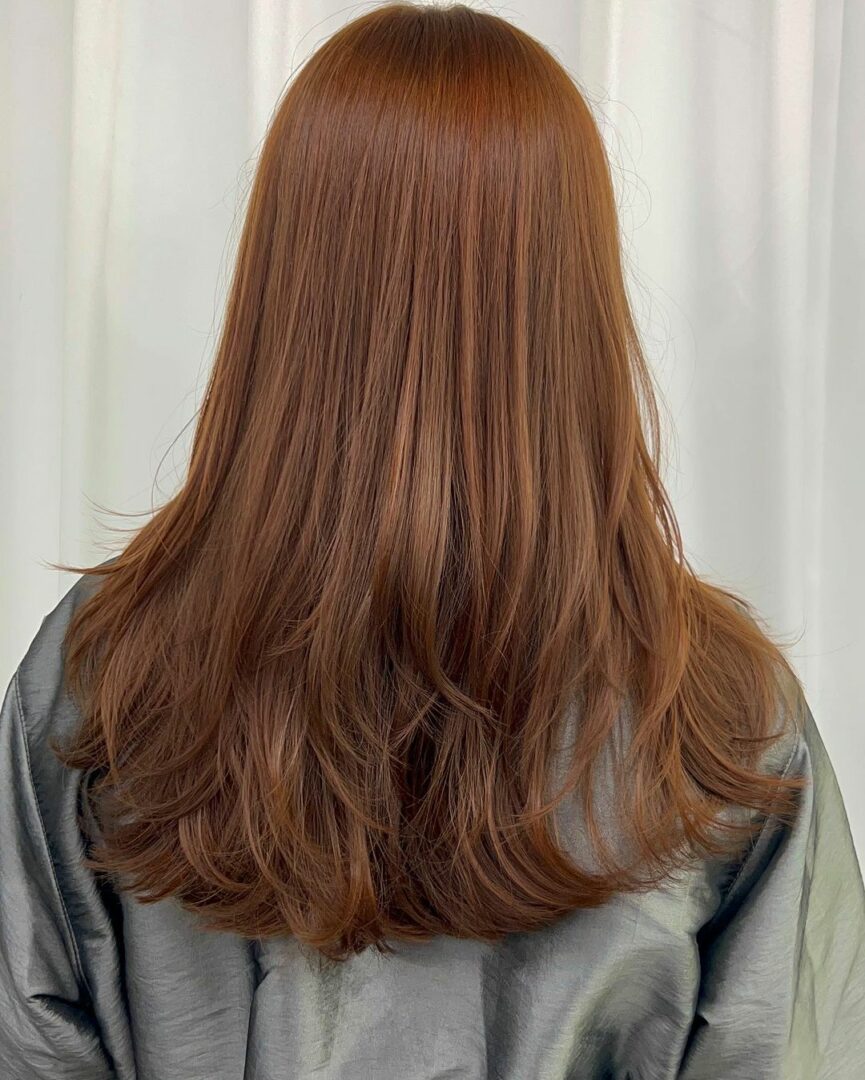
Tired of your fine, low-density hair feeling like it’s stuck in a never-ending cycle of flatness? What if we told you that a simple haircut could be the secret weapon to adding volume, texture, and dimension—without weighing your strands down? Layered cuts aren’t just for thick, luscious locks; they’re a game-changer for anyone struggling with thin or fine hair. But before you rush to the salon, there’s a catch: not all layers are created equal. Let’s dive into the do’s and don’ts of layered cuts for low-density hair so you can rock a fuller, more dynamic look without the regrets.
Why Layers Could Be Your Hair’s Best Friend (Or Worst Enemy)
 Layers work like magic for fine hair by removing bulk and creating the illusion of thickness. When done right, they add movement, body, and even a bit of drama. But here’s the kicker: one wrong snip can turn your hair into a sad, straggly mess. The key is balance. Too many layers can make your hair look stringy, while too few won’t give you the volume boost you’re craving. Think of it like Goldilocks’ porridge—you want layers that are *just right*.
Do: Opt for Face-Framing Layers to Fake Thickness
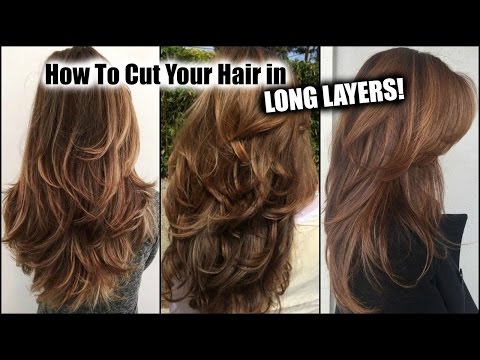 Face-framing layers are your best ally when dealing with low-density hair. These shorter pieces around your face draw attention upward, creating the illusion of a fuller mane. They also add movement, making your hair look less like a helmet and more like a stylish, lived-in cut. Pro tip: Ask your stylist for “long layers” rather than short, choppy ones. Long layers blend seamlessly into your hair, adding volume without sacrificing length or causing your strands to poof out like a dandelion.
Don’t: Go Overboard with Short, Choppy Layers
 Short, choppy layers might look edgy on paper, but they’re a one-way ticket to Flatland for fine hair. These layers can make your strands look even more sparse by breaking up the hair’s natural flow. Instead of adding texture, they create gaps that emphasize thinness. If you’re set on texture, opt for long, subtle layers that blend into your hair rather than standing out like a bad haircut from the ‘90s. Remember, subtlety is your friend here.
Do: Use Layers to Add Volume at the Roots
 One of the biggest struggles with low-density hair is keeping it voluminous from root to tip. Layers can help by removing weight from the ends, which allows your roots to lift and hold shape. Ask your stylist for “root layers” or “internal layers” that start higher up on your head. These strategic cuts remove bulk where it matters most—at the crown—so your hair can fluff up naturally. Pair this with a volumizing mousse or dry shampoo, and you’ll have hair that defies gravity.
Don’t: Skip the Consultation—Your Stylist Isn’t a Mind Reader
Walking into a salon and saying, “I want layers” without any further guidance is like ordering a “sandwich” at a deli and hoping for the best. Your stylist needs to know your hair’s texture, density, and even your lifestyle. Are you a gym-goer who washes their hair daily? Do you use heat tools regularly? These factors determine how your layers should be cut and styled. Bring photos of cuts you love (and ones you hate) to the appointment. A good stylist will tailor the layers to your specific needs, not just their idea of a “cool” cut.
Do: Style with Products That Enhance Layers
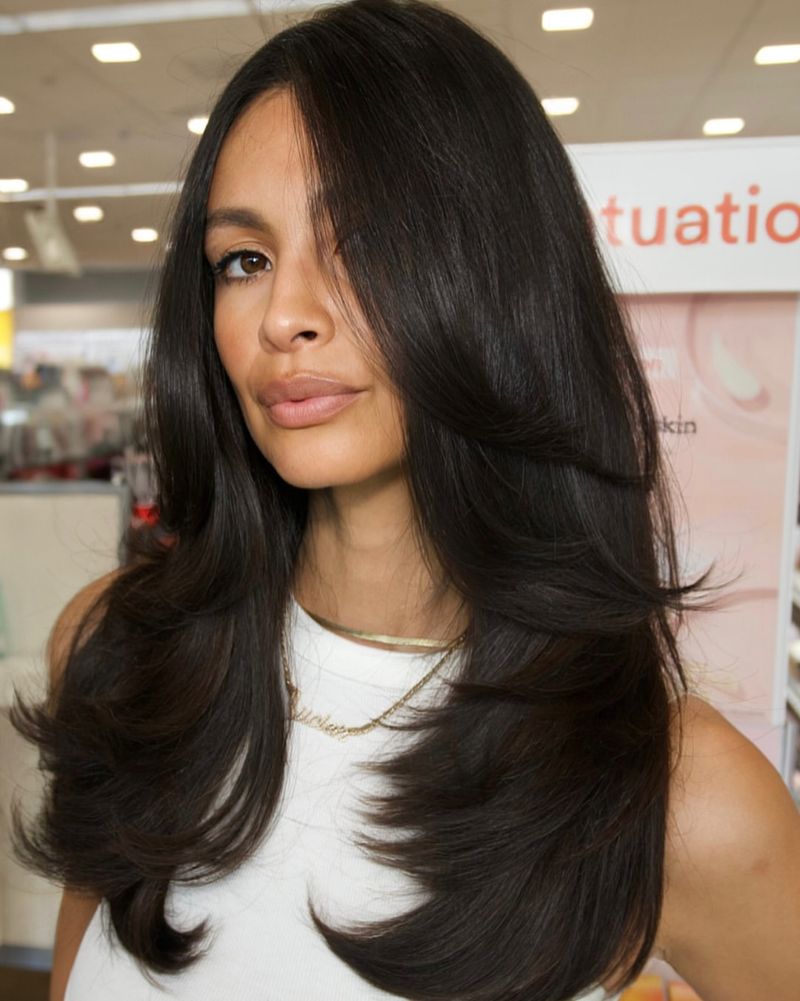 Layers are only as good as how you style them. Fine, low-density hair thrives with lightweight, volumizing products that add grip without weighing strands down. Look for mousses, sea salt sprays, or texturizing powders that give your hair lift at the roots. When blow-drying, flip your head upside down and use a round brush to direct airflow upward. This technique helps create volume where it counts. For an extra boost, try a root-lifting spray or even a dry shampoo to tease your roots slightly. The goal? To make your layers work for you, not against you.