
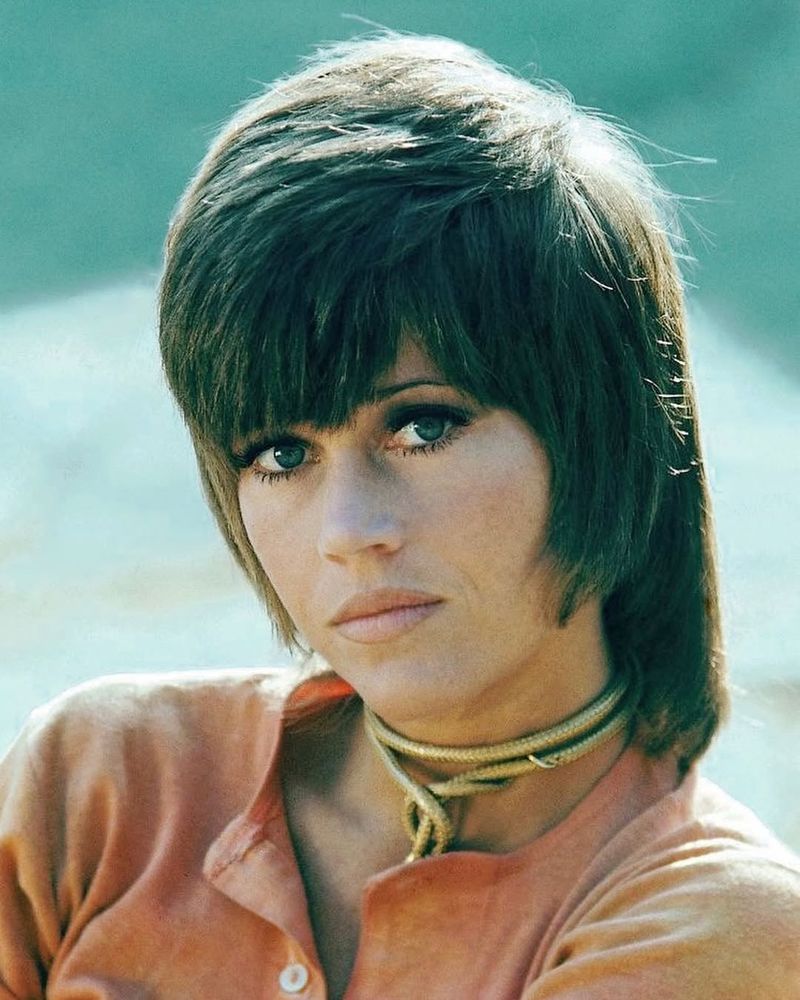
The allure of the past has undeniably made a powerful comeback in recent years, echoing through fashion, music, and even our chosen hairstyles. One look that seems particularly vibrant and magnetic is the long, shaggy hair of the 70s. That effortless cascade of waves, thick with texture and character, evokes a sense of freedom, confidence, and a playful, unbound energy. As we delve into this revival, we’re not just rediscovering a way to part hair or a method of curling; we’re reconnecting with a cultural language, a statement of individuality that felt deeply relevant decades ago, and seems equally pertinent today.
Elegance Reinterpreted: The Shag’s Enduring Appeal
Often boasting volume, movement, and a face-framing cascade that’s simply magnetic, the 70s shag wasn’t just about length, but the *texture* and *movement*. Achieving that iconic look involved more than just a good hair day; it was about layering, volume, and allowing the hair to flow naturally, creating an elegant, almost sculpted appearance that frames the face beautifully.
The Shag, Revisited: More Than Just Retro
Looking back at images defining the era, long shaggy hair wasn’t just a style worn in the 70s; it was integral to the aesthetic. Think of the effortless, yet glamorous cascade associated with disco glamour and the laid-back bohemian vibes – it was a significant part of the silhouette for that decade’s iconic looks.
Texture is Key: Shaggy Locks Define the Era
The defining characteristic of the shag goes beyond sheer length. It was the texture, the curl, the way the hair caught the light as it fell around the shoulders and back. Achieving the perfect shag involved understanding texture, layering for lift, and embracing, rather than fighting, the natural tendency of hair to wave and curl. The result? A look that felt both effortlessly cool and fashion-forward.
From Free Spirit to Chic: The Shag’s Evolution
While often associated with a carefree bohemian attitude, the 70s shag also incorporated a touch of sophisticated glamour. The long, flowing waves added movement and interest, transforming the hairstyle from a simple statement of length into a complex, visually captivating form of expression. It blended the casual with the curated.
Why the Shag? A Modern Resonance with 70s Style
The current fascination with long, shaggy, and generally textured hairpoints to more than just a desire for vintage aesthetics. It speaks to a longing for a certain kind of presence: a return of the tactile quality long hair can provide, an embrace of volume over sleekness, and a confident, almost primal feeling of hair falling where it wills. It’s a style associated with confidence and history, representing a look that felt deeply relevant in its time and continues to resonate, perhaps because it offers a powerful expression of self.