

Imagine your fade as a finely tuned instrument—each layer a note, each cut a melody. When played right, it’s a symphony of style, but neglect it for too long, and the harmony fades into chaos. The good news? You don’t need a barber’s chair to keep your fade sharp. With the right tools, a little patience, and a dash of creativity, you can maintain that salon-fresh look from the comfort of your own bathroom. Think of this as your backstage pass to fade perfection, where every snip is a step toward confidence and every pass of the clippers is a brushstroke on the canvas of your look.
The Foundation: Tools of the Trade
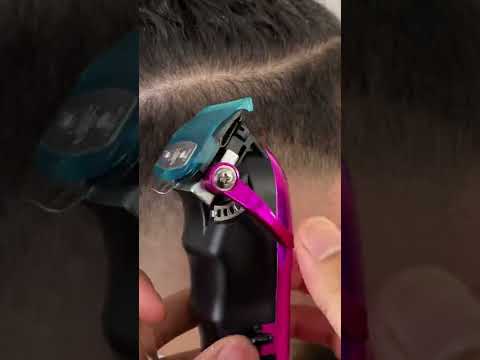 Before you dive into the art of fading, arm yourself with the right gear. A quality pair of clippers is your paintbrush—opt for ones with adjustable guards to control the length of your fade. Pair it with a fine-tooth comb to section your hair like a pro, and a handheld trimmer for those crisp edges around the neckline and temples. Don’t forget a handheld mirror to catch every angle, because what looks sharp from the front might betray you from behind. These tools are the unsung heroes of the fade game, turning a daunting task into a seamless routine.
The First Cut: Establishing Your Zones
 Every great fade starts with a map—your hair’s natural growth patterns are your guide. Begin by dampening your hair slightly; this makes it easier to see the layers and prevents uneven snipping. Use your comb to part your hair down the middle, then create two more sections on either side, angling them toward the back. This creates a “V” shape at the nape of your neck, a classic fade anchor. Clip the top sections out of the way, leaving only the lower layers exposed. Now, you’re ready to sculpt your fade with precision, ensuring each layer blends seamlessly into the next.
The Art of Blending: Where Magic Happens
 Blending is where the fade transforms from a basic trim to a work of art. Start with the longest guard on your clippers—usually a #1 or #2—and work your way up from the nape of your neck, moving upward in slow, overlapping passes. The key here is patience; let the clippers glide, don’t force them. Each pass should slightly overlap the previous one to create a gradient effect, like a sunset fading into the horizon. Once you’ve established the base, switch to a shorter guard for the next layer, repeating the process. The goal? A transition so smooth, it’s like watching day melt into night—no harsh lines, just a flawless fade.
The Details: Edging for That Polished Finish
 A fade isn’t complete without its frame—the crisp lines that frame your face and neck. This is where your handheld trimmer shines. Start by outlining your hairline, using the trimmer like a pencil to draw clean, sharp edges. Work your way down to the sideburns and around the ears, keeping the lines symmetrical. For the neckline, imagine a gentle “U” shape that follows your natural hair growth. Take your time here; these details are what separate a good fade from a great one. And if you’re feeling adventurous, experiment with a slight taper or a disconnected fade for a bold, modern twist.
The Grand Finale: Finishing Touches
 Your fade is now a masterpiece, but the work isn’t done until it’s dressed to impress. A light-hold pomade or styling cream will add definition without weighing down your hair. Focus on the top layers, using your fingers to sculpt the hair into place. For extra shine, a drop of hair oil can work wonders, giving your fade a glossy, just-left-the-barbershop finish. Don’t forget to step back and admire your handiwork—every snip, every blend, every edge is a testament to your skill. And if you’re feeling bold, pair your fade with a sharp lineup or a bold fade on the sides for a look that turns heads.
Maintaining your fade at home is more than just a chore; it’s a ritual of self-care and style. With each trim, you’re not just cutting hair—you’re refining your confidence, honing your craft, and embracing the art of grooming. So grab your clippers, set the mood, and let the fade begin. Your mirror is your stage, and the world is your audience.