

Moving to a new city can feel like stepping into a whirlwind of change—where every street corner whispers promises of fresh starts and hidden adventures. But what if the city itself started moving? What if sidewalks stretched like taffy, traffic lights blinked in chaotic rhythm, and the very ground beneath your feet felt as unstable as a wobbly table? Suddenly, the thrill of exploration collides with the unsettling reality: chop chop, the city isn’t just waiting for you—it’s rearranging itself around you.
When the Trees Start Marching: A Metaphor for Urban Chaos
 Picture this: you’ve just arrived in a bustling metropolis, armed with a map, a dream, and the unshakable belief that you’ll conquer it all. Then, the trees start moving. Not swaying in the wind, not bending with the seasons—but chopping, as if the entire city has been possessed by an invisible choreographer. This absurd image isn’t just a joke; it’s a metaphor for the disorientation that comes with urban relocation. Streets that looked familiar on Google Maps suddenly twist into labyrinths. Landmarks vanish overnight, replaced by construction zones that feel like the city’s way of saying, “Surprise! You’re lost.” The message is clear: adapt quickly, or get left behind in the dust of progress.
PowerPoint Promises vs. Reality: The Illusion of Control
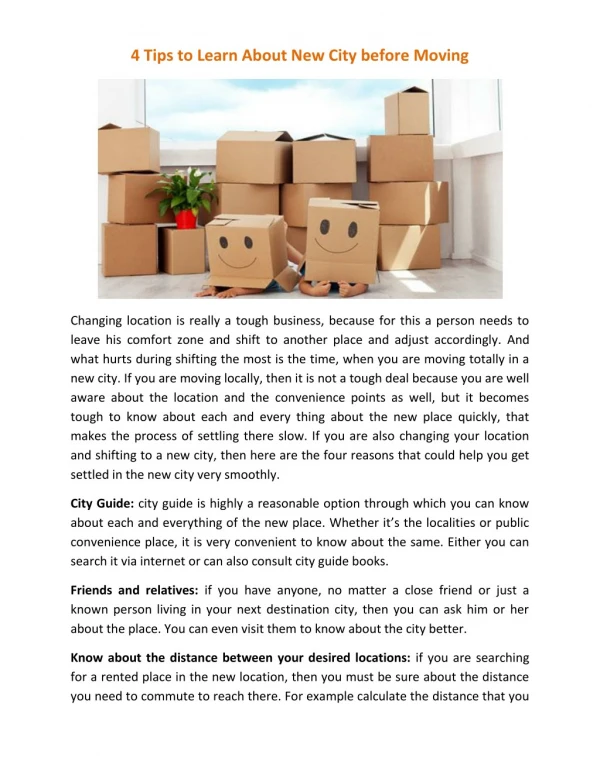 Before you pack your bags, you’ll inevitably stumble upon guides like “4 Tips to Master Your New City” or “Essential Checklists for a Smooth Move.” These slideshows are packed with bullet points, timelines, and optimistic infographics—each one a tiny, reassuring pat on the back. But here’s the catch: no PowerPoint can prepare you for the moment you realize your new apartment’s “quiet neighborhood” is actually a construction site at 6 AM. Or that the “vibrant local culture” is just a single café that closes at 8 PM. The city doesn’t care about your spreadsheets. It has its own agenda, and it’s moving at its own pace. The real test? Learning to dance with the chaos instead of fighting it.
The Ground Beneath Your Feet: When Stability Feels Like a Myth
 Moving isn’t just about boxes and furniture—it’s about the illusion of stability crumbling beneath you. One day, you’re surrounded by familiar sights, sounds, and the comforting weight of routine. The next, you’re in a place where even the air smells different, where the bus routes change without warning, and where the grocery store’s layout feels like a puzzle designed by a mischievous toddler. The ground isn’t just metaphorically shifting; it’s the literal foundation of your daily life that’s being uprooted. And just when you think you’ve found your footing, the city throws in a curveball—a sudden rent hike, a language barrier, or a neighbor who insists on blasting polka music at midnight. The question isn’t whether you’ll adapt; it’s how quickly you can rebuild your sense of home in a place that refuses to stand still.
Chop Chop: The Idiom That Haunts Your First Week
 Language has a way of sneaking up on you, and in a new city, even the simplest phrases can feel like a riddle. Take “chop chop,” for example—a term that oozes urgency, as if the world is on fast-forward and you’re the only one moving in slow motion. In your first week, you’ll hear it everywhere: from impatient baristas, harried delivery drivers, or that one coworker who treats your learning curve like a personal inconvenience. “Chop chop, we need this report by noon!” “Chop chop, the bus is leaving!” The phrase becomes a soundtrack to your overwhelm, a reminder that the city doesn’t have time for your jet lag or your fumbling with the subway system. It’s a cultural baptism by fire, where the only way to survive is to embrace the frenzy—or risk being left behind in the dust.
Expert Tips or Empty Platitudes? The Fine Line Between Help and Hype
 You’ll find no shortage of experts eager to tell you how to “adjust” to your new home. Their advice is well-intentioned, often backed by data, and delivered with the confidence of someone who’s never actually lived in a city that moves faster than their carpool lane. “Join local groups!” they say. “Explore neighborhoods!” they urge. “Give it time!” they assure you. But what they don’t tell you is that “time” is a luxury, and “exploring” can feel like navigating a minefield of cultural landmines. The truth? Some days, you’ll thrive. Other days, you’ll question every decision that led you there. The city won’t wait for you to catch up, and neither will life. So take the tips, but keep your skepticism handy. The real adjustment isn’t following a guide—it’s learning to improvise when the script gets torn up.