

Humidity can be a hair’s worst enemy, turning a sleek blowout into a frizzy mess in minutes. But what if your hair behaves differently after a fresh cut? The contrast between post-humidity struggles and the renewed confidence of a new trim is something many people experience. Whether you’re dealing with thick, curly, or thinning hair, the battle against humidity is real—and a fresh cut can make all the difference. Let’s explore how humidity affects your hair and why a trim might be the solution you’ve been missing.
Why Humidity Turns Hair into a Frizz Ball
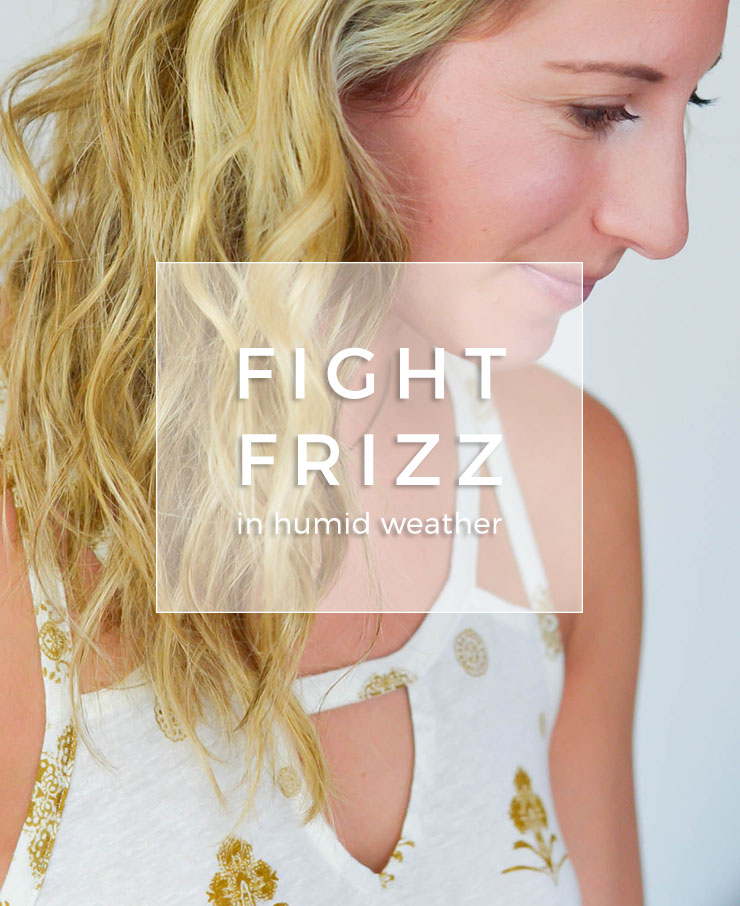 Humidity doesn’t just add moisture to the air—it wreaks havoc on your hair’s cuticle. When the air is saturated with water vapor, your hair absorbs it, causing strands to swell and frizz. This is especially true for curly or thick hair, which has more surface area for humidity to cling to. The result? A puffy, unruly mane that resists all your styling efforts. Even straight hair isn’t immune; humidity can make it limp and lifeless by stretching out the natural oils that keep it smooth. Understanding this battle is the first step to taming it.
How a Fresh Cut Can Restore Your Hair’s Strength
 A fresh haircut isn’t just about aesthetics—it’s about giving your hair a fighting chance against humidity. Trimming split ends and removing damaged sections reduces the hair’s porosity, meaning it absorbs less moisture from the air. A blunt or layered cut can also help distribute oils more evenly, making your hair less prone to frizz. Plus, a new style can boost your confidence, making you more likely to care for your hair properly. Whether you opt for layers, a bob, or a blunt cut, the right trim can transform how your hair responds to humidity.
The Science Behind Humidity and Hair Damage
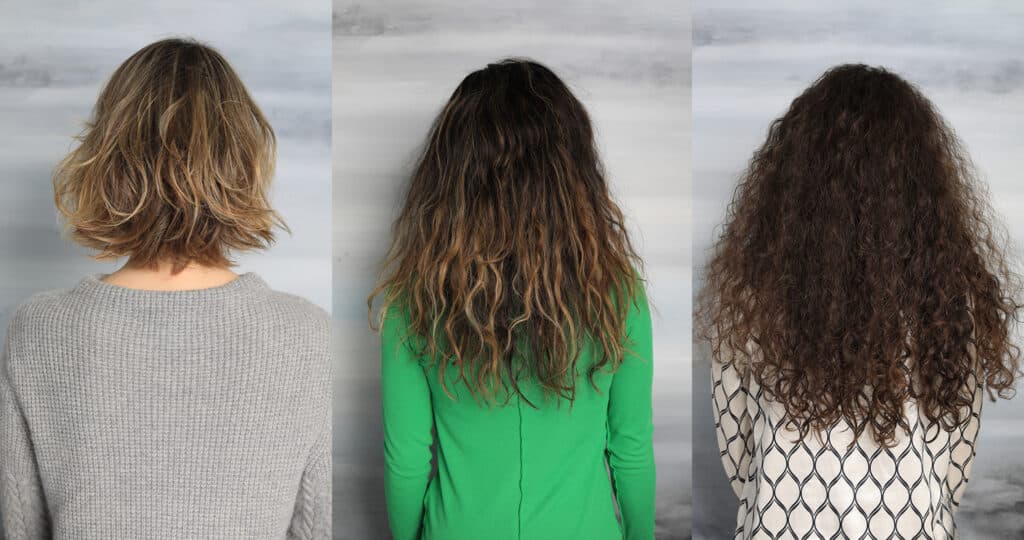 Humidity doesn’t just affect the surface of your hair—it can weaken the protein bonds inside each strand. The hydrogen bonds in your hair are temporarily broken and reformed when exposed to moisture, leading to structural damage over time. This is why repeated exposure to humid conditions can leave your hair feeling rough, brittle, and prone to breakage. Heat styling in humid weather only exacerbates the problem, as the combination of moisture and high temperatures can cause even more damage. Protecting your hair starts with understanding these underlying mechanisms and adjusting your routine accordingly.
Thinning Hair? Humidity Makes It Worse
 If you’re dealing with thinning hair, humidity can feel like an added insult. The extra weight of absorbed moisture can weigh down fine strands, making them look even sparser. Additionally, humidity can irritate the scalp, leading to issues like dandruff or itchiness, which can further contribute to hair loss. A fresh cut can help by removing dead weight and promoting healthier growth. Opting for a shorter style can also give the illusion of fuller hair while you work on improving its health. Don’t let humidity steal your confidence—small changes can make a big difference.
Simple Tips to Beat Humidity Without a Salon Visit
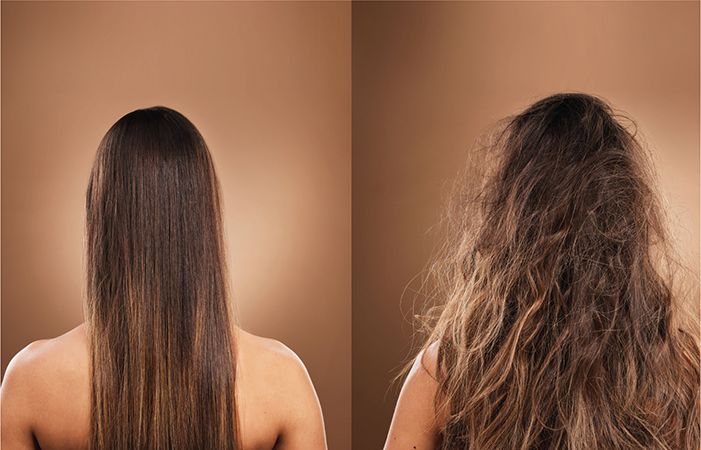 You don’t need a salon appointment to protect your hair from humidity. Start by switching to a lightweight, humidity-resistant hairspray or serum that creates a barrier against moisture. Avoid heavy creams or oils, as they can weigh down your hair and attract more humidity. A silk or satin pillowcase can also reduce friction and frizz while you sleep. For an extra boost, try a weekly deep conditioning treatment to strengthen your hair’s cuticle. Small tweaks to your routine can help you maintain a polished look, even on the most humid days.