
Like so many women navigating their 40s, my biggest hair struggle became, quite honestly, thinning. I remember looking in the mirror, feeling a pang of envy and anxiety seeing my hairline gradually recede and the overall volume diminish. Suddenly, simple tasks like choosing a hairstyle or buying a new outfit felt daunting. I was wrestling with insecurity wrapped in strands. It wasn’t something to whisper about, but a silent battle that took emotional energy I didn’t have.
Diagnosing What’s Really Thinning Your Hair
 Before I could tackle the problem, I had to understand it. My first step was distinguishing between different types of hair thinning – could it be genetics, hormonal shifts, stress, poor nutrition, or something else entirely? Armed with this uncertainty – was this inevitable, was it manageable, was it even real? – I spent time researching and consulting professionals. Understanding where the hair loss was coming from was crucial, even if a definitive cause remained elusive for a time.
Is It Androgenetic Alopecia? My Treatment Journey
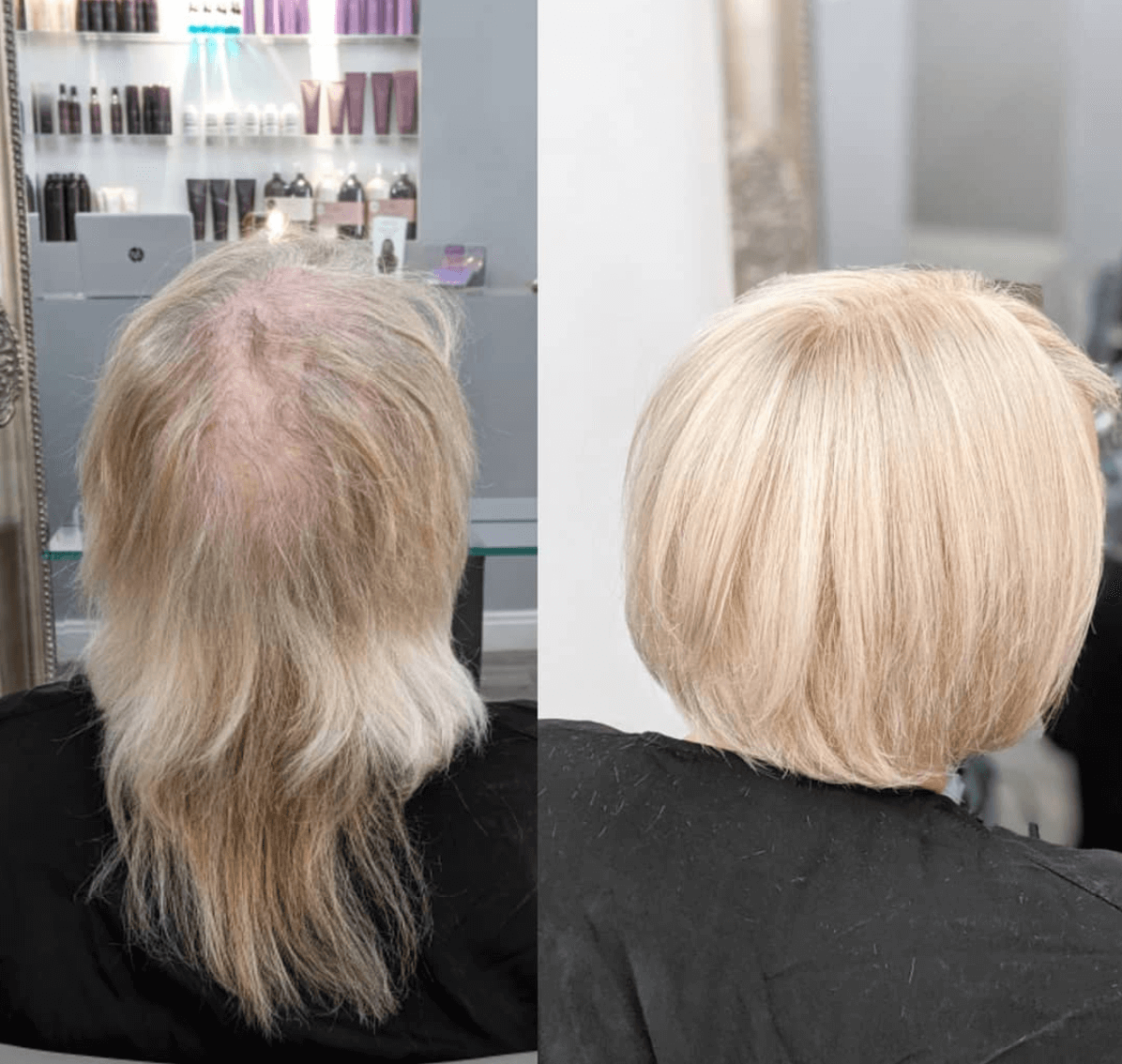 Specialists helped confirm it was likely androgenetic alopecia, a common form of hair thinning often related to hormones. This diagnosis felt overwhelming, but it also provided a path forward. Treatment options emerged: topical solutions, lifestyle adjustments, and sometimes supplements. I couldn’t just follow generic advice; I had to trial different products and approaches to find what worked *for me*. Consistency was key, but applying minoxidil wasn’t a quick fix and definitely required patience. Every morning was another step in the journey.
My Anti-Thinning Diet & Lifestyle Changes
 While topical treatments were on the agenda, I knew the roots were deeper. A holistic approach became my strategy. I focused on my diet, ensuring I got enough protein, iron, zinc, and omega-3s – all touted for hair health. Cutting back on stress became a conscious effort; managing anxiety through yoga and mindfulness wasn’t just good for my mental well-being but potentially for my scalp health too. I also started being gentler with my hair routine – no more harsh heat styling, no vigorous towel-drying. Reducing the physical stress on my strands felt like a small but significant act of self-care.
Hair Extensions as a Confidence Builder
 Practical solutions were necessary. Hair extensions became more than just a fashion statement; they were a confidence booster. They added volume and frame, creating the illusion of thicker hair. I explored different types – tape-ins for versatility, micro-braids for durability – learning what felt comfortable and natural for my lifestyle. This wasn’t about hiding my journey, but about embracing it fully until I could embrace a fuller future.
Scalp Care: My Obsession with The Right Way
 My hair care routine evolved significantly. Massaging my scalp for 5 minutes before washing wasn’t just a feel-good gesture; research suggested it could stimulate blood flow and promote growth. Switching to sulfate-free shampoos and conditioners formulated for thinning hair felt like a necessity, though results were subtle at first. It felt deeper, though – an investment not just in my hair’s volume but in the health of the roots themselves.
My journey hasn’t been linear, nor has it been easy. There were months of feeling defeated. But by combining targeted treatments, lifestyle adjustments, and strategic styling choices, I’m seeing gradual improvement. It’s taught me patience, self-appreciation regardless of my hair’s thickness, and the importance of consulting professionals. My struggle is real, but my wins are worth celebrating too.