

In the ever-evolving world of hairstyling, certain terms surge in popularity, capturing the imagination like few others can. “Wolf Cut” is one such term, often associated with a sharp undercut that frames the top of the head like a lupine’s fur. But what happens when this edgy concept is applied to the canvas of straight hair? Does it merely become a shorter, edgier version of an undercut, or does it promise a more profound shift in how we perceive style? For straight-haired individuals, the adoption of a wolf cut presents a unique perspective: a chance to blend the clean lines and intrigue of the traditional cut with the manageable versatility of straighter hair.
Texturized Wolf Cut on Straight Hair
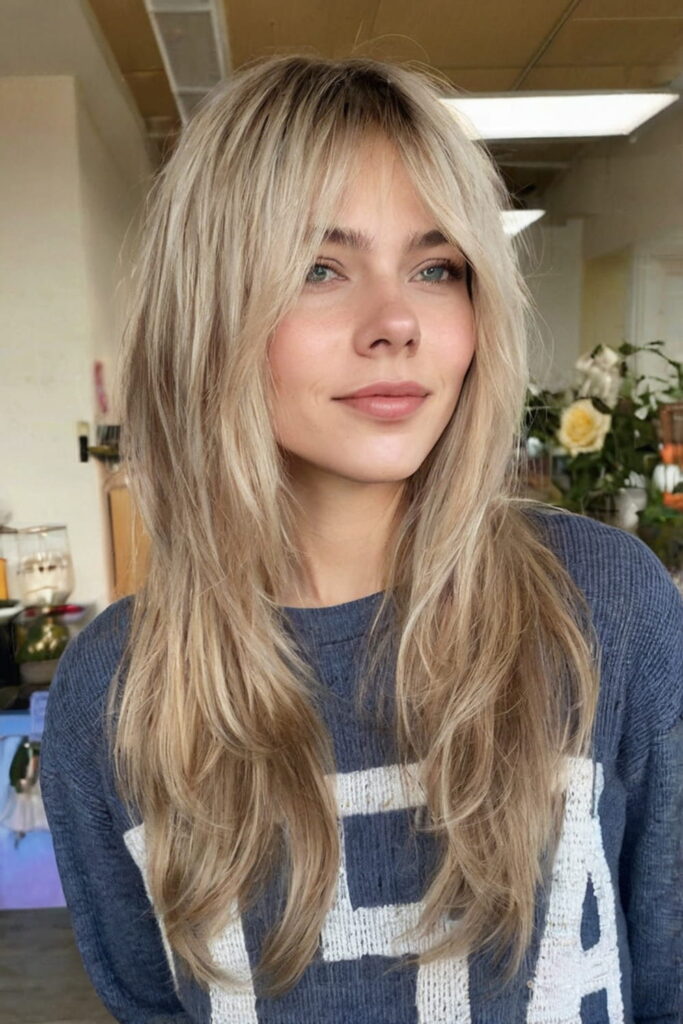 The very word “texturized” offers a clue. While the underlying structure might borrow from the geometric precision of the typical wolf cut, the hair itself – the defining characteristic for many straight-haired wearers – often incorporates strategic texturizing. Techniques like the chopstick method or specialized cutting tools softly layer the top section, preventing it from looking perfectly flat. It’s a way to achieve that sun-kissed, lived-in look often seen with textured versions, ensuring the top knot isn’t too rigid. This adds dimension without sacrificing the sharp contrast that defines the style.
Sharp Contrast for Modern Gentlemen
 This image perfectly captures the essence of a well-executed wolf cut paired with clean, straight hair in a modern male context. The key here is the sharp transition. Wolf cuts are defined by their abrupt change in hair length – the undercut sharply meets the top knot. For straight hair, maintaining that clean line between the shorter undercut and the longer top requires skillful cutting. The hair itself presents an interesting canvas; it can be slicked back for a sleek, powerful look or allowed to rest naturally above the undercut, creating a sharp contrast against the lighter skin or the collar for maximum visual impact.
The Elegant Wolf Cut Transition
Even with straight hair, the core identity of the wolf cut remains its transitional effect. This particular image highlights the underlay or undercut transition closer to the temples, leaving the hair higher or at the crown longer than the sides and back. The use of straight hair accentuates the sharpness of this transition. It allows the stylist to create clean, defined lines with precision, resulting in a look that’s both unexpected and undeniably modern. For women, this cut can offer a blend of sophistication with a hint of daring, the straight hair maintaining the elegance while the undercut introduces an element of surprise.
Modern Applications for Straight-Haired Beauties
 Looking towards 2025, the wolf cut isn’t just for edgeland. Modern interpretations suggest pairing this sharp undercut with longer, sleeker straight hair – perhaps even down to the shoulders. This elongates the face and creates a sophisticated silhouette that subtly nods to trendier styles while maintaining neatness. The potential for styling with straight hair is high – sleek ponytails or buns can further emphasize the clean contrast of the undercut, making it a statement piece for formal events, while letting it fall naturally maintains its casual, modern appeal. It’s the underdog haircut finding its place in the wardrobe of any hair type.
A Glimpse into the Future of Wolf Cuts
 Some variations seem designed to maintain the presence of the undercut transition even in longer hair lengths. The underlay technique integrated into this seemingly long hair style showcases a subtle power. It’s a promise that even seemingly conventional styles can incorporate an element of the unconventional. For someone with long straight hair, adding a sharp undercut transition offers a way to experiment with form without a radical style change. It presents the wolf cut not just as a bold statement, but as a versatile technique that can subtly enhance the character and definition of other hairstyles, piquing curiosity about how much of this transformation is possible.