

Asymmetry in design challenges our perception and invites us to see the world from a fresh vantage point. “Over-direction” is a subtle yet powerful technique that embraces imbalance to guide the viewer’s eye, create tension, and spark intrigue. By purposely breaking the symmetry, designers create compositions that promise a shift in perspective, prompting curiosity and engagement. Let’s explore how this concept comes to life through varied visual examples that redefine the boundaries of balance and direction.
Measuring Asymmetry: The Foundation of Over-Direction
 Understanding asymmetry begins with measurement and analysis. This image demonstrates a methodical approach to quantifying asymmetry, highlighting how deliberate imbalances can be precisely mapped and manipulated. Such foundational insights pave the way for over-direction by showing designers where and how to shift the viewer’s focus off-center, turning an otherwise static composition into a dynamic narrative. It’s this intentional deviation from perfect balance that jolts the observer into curiosity, inviting closer inspection.
Lesson in Asymmetry: Engaging with Directional Shifts
 Learning to wield asymmetry effectively often starts with exercises like this lesson task, which encourages experimentation with directional shifts. The imbalance created here isn’t random; it’s a thoughtful play on guiding the eye beyond predictable symmetry. Over-direction in this context reveals itself as a tool to unsettle and intrigue, prompting viewers to follow unexpected lines of movement within the composition. As they do, a narrative unfolds that promises new interpretations and deeper engagement.
Designing with Intention: The Power of Symmetry and Asymmetry
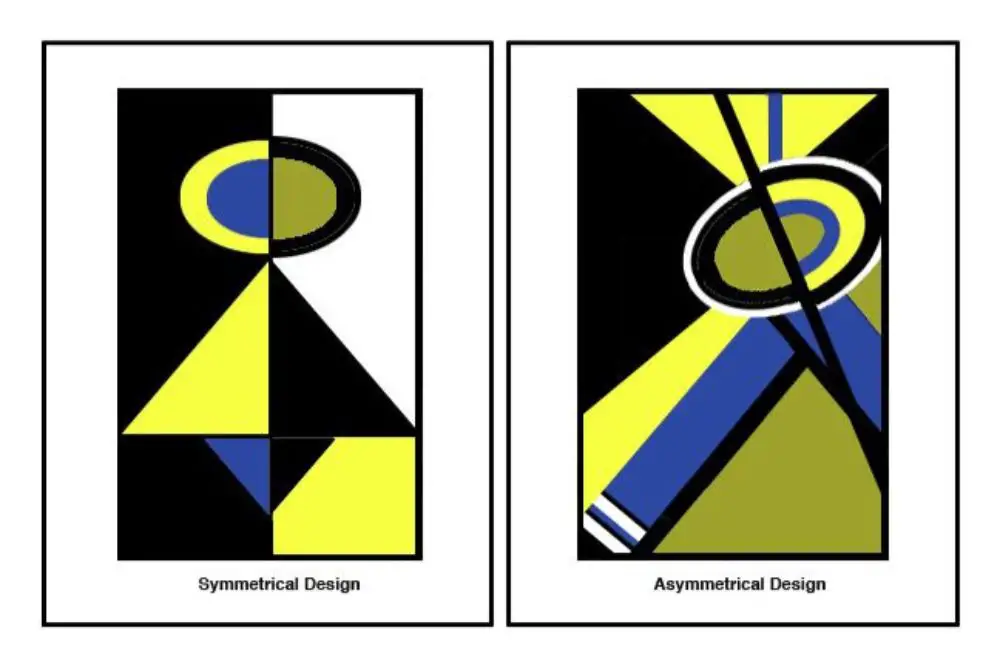 Visual design thrives on contrast, and this graphic banner artfully contrasts symmetry against asymmetry to highlight how over-direction shapes perception. By offsetting elements unevenly across the space, the composition challenges the comfort of symmetry and shifts emphasis toward the unexpected. This uneven distribution creates a subtle push-pull effect, inviting the viewer to explore visual pathways that are anything but linear or predictable. It’s a testament to how asymmetry can breathe life and curiosity into design.
Drawing Asymmetry: Embracing Creative Over-Direction
 Creative over-direction can be beautifully illustrated in drawing, where asymmetry transcends formality to become a tool of expression. This tutorial image invites artists to break free from symmetrical constraints and experiment with composition that directs the viewer’s gaze unpredictably. By tilting towards imbalance, the artwork gains movement and life, compelling us to reconsider what feels ‘right’ or ‘pleasing.’ Such techniques in drawing underscore the power of asymmetry to create depth and ignite curiosity through conscious over-direction.
UI Design: Guiding Users with Asymmetrical Composition
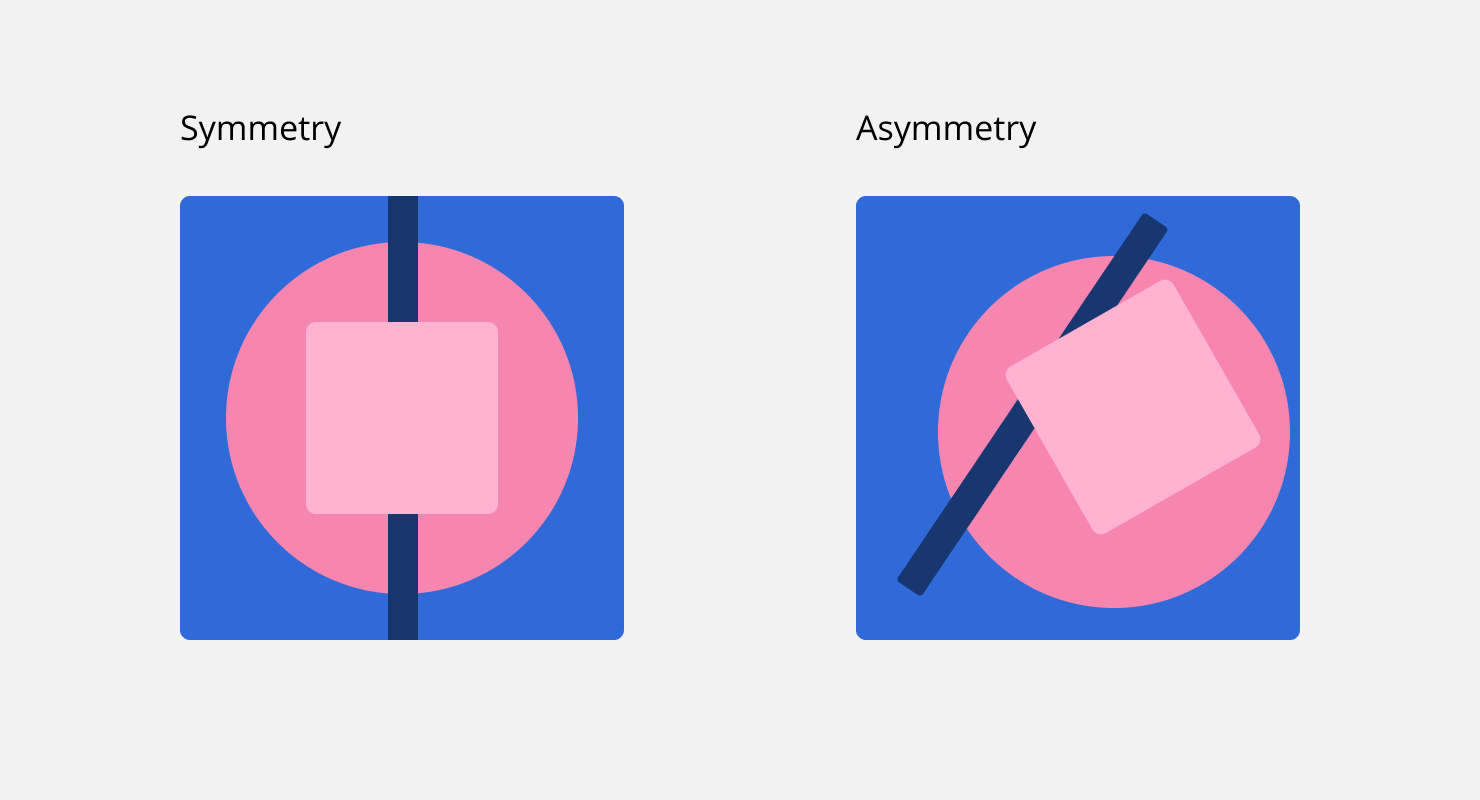 In user interface design, over-direction through asymmetry is a strategic approach to guide user interaction intuitively. This UI layout employs uneven arrangements to prioritize content and create a natural flow across the screen. Far from chaotic, the asymmetry here is carefully calibrated to emphasize certain elements, prompting a fresh perspective on navigation and usability. Such deliberate imbalance not only piques curiosity but enhances user experience by breaking monotony and fostering engagement through subtle visual hierarchy shifts.