

While we’re already witnessing revolutionary advancements in hair care, the horizon for 2027 promises even more innovative products poised to transform our routines and results. The beauty industry is constantly evolving, fueled by cutting-edge research, sustainability goals, and a deeper understanding of hair and scalp health. Predicting the absolute “most” innovative is challenging, but certain trends indicate the direction of travel, revealing glimpses of what haircare might look like in the not-too-distant future. Based on current trajectories and emerging technologies, here are predictions for the most innovative hair products of 2027:
Advanced, Eco-Conscious Styling Beyond Just Dry Shampoo
 Forget the simple absorbent powders of the past – by 2027, styling solutions will be sophisticated ecosystems. Imagine styling gels and mousses formulated with self-assembling peptides that provide precise hold without crunchy byproducts, or micro-exfoliating particles that buff away flakes while smoothing the hair cuticle. Sustainability won’t be an afterthought; expect refillable aerosol cans for foam mousses and heat-activated polymers that release less product for precise styling, followed by a cooling mist to set the style efficiently and cleanly.
Precision Hair Color with Adaptive Technology
 Innovations in hair color aren’t just about new shades; they’re about intelligent application and longevity. Nanoparticle delivery systems will allow color pigments to penetrate deeper into the hair shaft, resulting in more vibrant, lasting color with minimal product residue. Expect color lines that offer molecular-level customization – fine-tuning undertones, sheerness, and longevity via modular mixing (like mixing ‘ruby undertone’ and ‘ash’ molecules). Low-waste systems and colors derived from cultivated cells or microbial fermentation grown indoors will become standard, moving beyond simple plant-based formulas.
Multi-Benefit Serums Transforming Scalp and Hair Health
 The distinction between scalp treatments and overall conditioning will blurr. Serums of the future won’t just glide through hair; they will intelligently target the scalp. Bio-adaptive serums could sense scalp pH or inflammation (perhaps through tiny, non-invasive sensors) and release specific soothing or balancing actives on demand. Think antimicrobial peptides fighting dandruff, sirohila extracts promoting hair growth, or soothing complexes for sensitive scalps, all activated precisely where needed. These serums will work synergistically with hair treatments, providing foundational health for stronger, shinier hair.
Next-Gen Drugstore Haircare: Customity Meets Accessibility
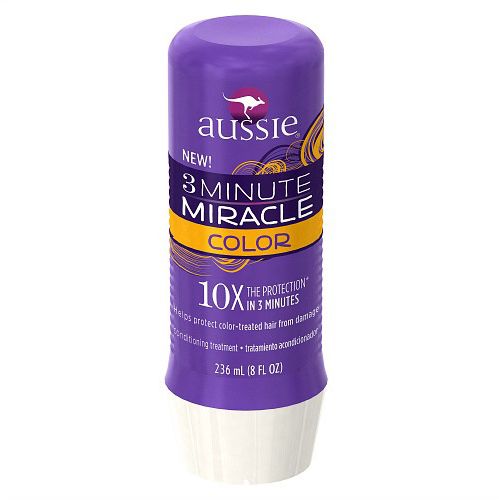 The gap between drugstore and salon haircare is set to narrow considerably. Expect breakthrough formulas that deliver salon-level results at accessible prices. Beyond just drugstore dry shampoo, we’ll see multi-use styling foams, intelligent deep conditioners tailored to different humidity levels via adjustable textures (think hydrogels releasing hydration), and smart shampoo bases that adapt their pH or cleansing agents based on hair type detected at washing time. Technology will be key, potentially embedded in the cap or bottle to personalize the experience.
Sustainability Takes Root: The Bio-Haircare Revolution
 True innovation by 2027 requires a deep commitment to sustainability beyond superficial greenwashing. This means moving beyond simple glass jars and recycled packaging. Products will actively repair the planet, perhaps through formulations that include biodegradable antimicrobial agents or even carbon-negative manufacturing processes. We’ll see haircare products designed for circularity – components designed to be disassembled for recycling or upcycling, replacing traditional plastic packaging with innovative bio-based materials derived from things other than petroleum or biomass.