
Humidity can be a silent enemy to freshly cut fabrics, whether it’s your favorite curtains, delicate hair, or even the clothes in your closet. When moisture levels rise, materials absorb water, leading to stretching, mold, or even permanent damage. Understanding how humidity affects different materials is the first step in protecting your cuts—whether they’re in your home decor, wardrobe, or personal care routine. Below, we explore practical ways to shield your fabrics and hair from humidity’s damaging effects, ensuring they stay fresh and intact.
How Humidity Affects Different Curtain Materials
 Curtains are particularly vulnerable to humidity because they’re often exposed to moisture from the air, rain, or even indoor plants. Fabrics like silk, linen, and cotton absorb humidity, leading to sagging, mold growth, or discoloration. Synthetic materials, such as polyester, resist moisture better but can still trap odors or develop mildew over time. To protect your curtains, consider using dehumidifiers in humid rooms, ensuring proper ventilation, and treating fabrics with moisture-resistant sprays. Regular cleaning and airing out curtains can also prevent long-term damage.
How to Cut Fabric (with Pictures)
 Cutting fabric in humid conditions requires extra care to avoid fraying or uneven edges. High humidity can cause fabric fibers to expand, making precise cuts more challenging. To combat this, work in a climate-controlled environment or use a fan to keep the air dry. Ironing the fabric beforehand can help flatten fibers, while sharp scissors or a rotary cutter will ensure clean edges. If you’re working with delicate materials like silk or lace, consider using a stabilizer to prevent stretching. Taking these precautions will help you achieve professional-looking cuts every time.
How Does Humidity Affect Hair & How to Manage It
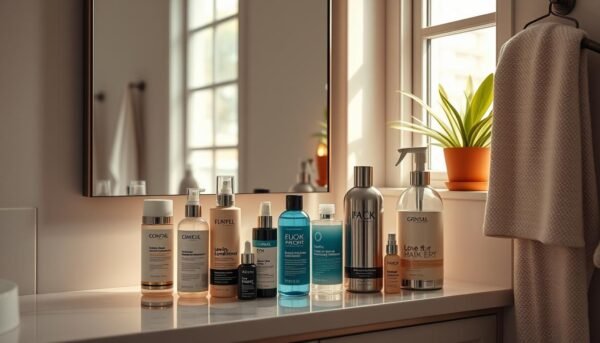 Humidity doesn’t just affect fabrics—it can wreak havoc on your hair too. When moisture levels rise, hair absorbs water, causing curls to frizz, straight styles to lose shape, and even leading to scalp irritation. The key to managing humidity’s impact on hair lies in using the right products and techniques. Anti-humidity hairsprays, serums, and heat protectants create a barrier against moisture, while protective styles like braids or buns minimize exposure. Deep conditioning treatments can also strengthen hair, making it more resistant to humidity’s effects. For those with fine hair, lightweight mousses or texturizing sprays can help maintain volume without weighing strands down.
How To Humidity Proof Your Hair
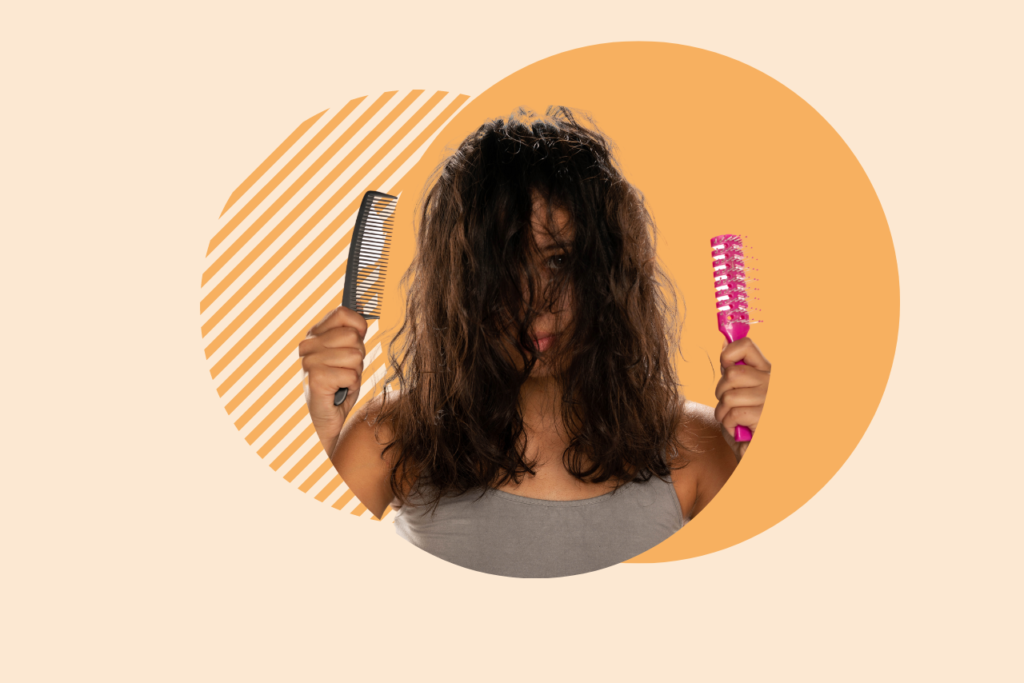 Humidity-proofing your hair starts with understanding your hair type and the specific challenges it faces. For curly or coily hair, moisture is essential, but too much can lead to frizz. Opt for leave-in conditioners and curl creams to define your natural texture while keeping frizz at bay. If you have straight hair, humidity can make it limp or greasy—using volumizing powders or dry shampoo can restore bounce. Heat styling tools with ionic technology can also help seal the hair cuticle, reducing moisture absorption. Additionally, silk or satin pillowcases reduce friction overnight, preventing breakage and frizz. By tailoring your routine to your hair’s needs, you can keep it looking sleek and healthy, no matter the weather.
How to Win the Battle with Humidity
 Winning the battle against humidity requires a multi-faceted approach, especially in climates where moisture is a constant challenge. Start by investing in a high-quality dehumidifier to maintain optimal indoor humidity levels (ideally between 30% and 50%). Air purifiers with HEPA filters can also capture excess moisture and allergens, improving air quality. For fabrics, storage solutions like cedar blocks or moisture-absorbing sachets can protect clothing and linens. In your beauty routine, lightweight, non-comedogenic products prevent clogged pores and breakouts caused by humidity. By combining these strategies, you can create a living space and personal care routine that thrives, regardless of the weather outside.