
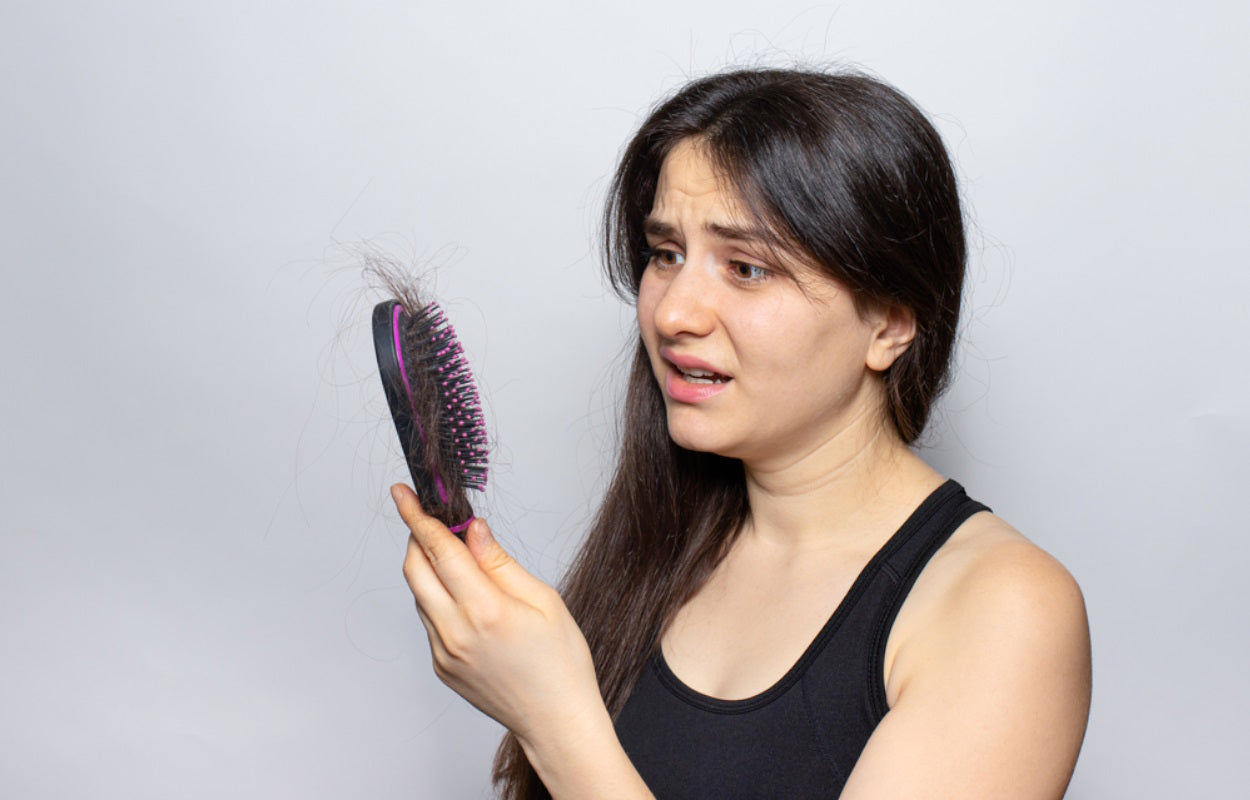
The mirror shows a receding hairline, a parting thinning, or maybe just a general sense that there’s less fullness on top than there used to be. For many, noticing a change in their hair density is a common observation, sparking not just concern, but a genuine curiosity about what’s really happening beneath the scalp. Why does this seemingly straightforward process falter so often? Is it genetics, age, or something deeper we’re missing? The science behind hair loss offers fascinating insights into biology, aging, and even inflammation, explaining not just the ‘what’, but often the ‘why’ and, crucially, the potential ways forward.
The Role of DHT: Androgenetic Alopecia Explained
 Unpacking the primary culprit in most cases of hair loss, particularly androgenetic alopecia (commonly known as male or female pattern baldness), often points to dihydrotestosterone (DHT). This specific, more potent form of testosterone binds to receptors in genetically susceptible scalp follicles. The result is a gradual shortening and weakening of the hair strands. While DHT is naturally present in everyone, it’s the combination of genetics – dictating which follicles are sensitive and how many – and the normal hormonal balance that determines who will experience significant hair thinning over time. This complex interplay explains why hair loss often runs in families.
Hair Loss: More Than Just Baldness
 While often stereotyped as leading to baldness, hair loss isn’t a monolithic condition. It encompasses a spectrum of issues from diffuse thinning across the scalp to localized patches as seen in alopecia areata, or the receding patterns of androgenetic alopecia. Each type may have different underlying causes or mechanisms. Understanding this variety is key to effective management, moving beyond simplistic notions and recognizing that hair loss can be influenced by genetics, aging, inflammatory conditions, nutritional deficiencies, stress, and even certain medications, each playing a distinct role in the overall picture.
Inflammation and Hair: An Unexpected Link
 Investigating hair loss has revealed another intriguing facet: inflammation. In conditions like alopecia areata, an autoimmune attack on the hair follicle is implicated, sparking an inflammatory response that halts hair growth. This highlights that hair thinning isn’t only about the follicle’s response to hormones but also about the body’s immune system potentially turning against its own hair. This connection between inflammation and hair loss opens up new avenues for research and treatment, focusing on calming the immune response as a potential way to halt hair loss and encourage regrowth, moving the focus beyond just the hair follicle itself.
Balancing the Scalp Ecosystem

Natural Solutions and Beyond
 Understanding the science behind hair loss translates directly into potential interventions. Treatments range from topical applications like minoxidil (which can slow hair loss or even stimulate regrowth) and finasteride (which inhibits DHT), to more natural options being researched, such as certain plant oils or peptides. The effectiveness, however, often hinges on early intervention and addressing the underlying cause. Knowing that hair loss has specific biological drivers helps individuals navigate the vast market of hair care products and treatments, seeking evidence-based options that target the root mechanisms rather than just surface symptoms. This knowledge empowers informed choices for managing this often distressing condition.