

Texture Temptation: The Lifelike Sheen vs. The DIY Sheer?
 One of the most noticeable differences lies in the finished texture. Think of professionalism as a gallery framing a masterpiece. Salons invest in premium products and specialized tools, not just for cutting but for setting, drying, and finishing. This attention to detail can create a hair surface that’s not just cut, but sculpted. Products designed for salon use often impart a specific sheen, a soft bounce, and a lasting hold that complements the cut perfectly – a depth and dimensionality that screams ’expert touch’. Achieving this kind of multi-dimensional gloss, particularly with treatments like gloss, often requires more than just a good product; it requires application expertise and specific techniques unavailable to the untrained at-home stylist navigating the possibilities.
The Grand Stage vs. Your Living Room: Precision’s Demanding Choreography
 A skilled stylist doesn’t just wave scissors around; they execute a precise performance. Imagine the meticulousness of a surgeon versus perhaps the slightly improvisational flair of a kitchen novice handling sharp knives. Salon professionals have spent years refining their eye for line length, consistency, and how different textures fall. They understand the weight of different hair types and adjust their technique accordingly. The result is often a cut with clean, even lines, perfect proportions, and a stylistic language woven into the hair’s silhouette. At-home cuts rely heavily on personal judgment (which can be clouded by self-doubt!) and the straight-edge limitation of most standard scissors. Inconsistencies in length and line placement are common culprits, making it like trying to perfectly replicate a complex dance move without years of practice. Sometimes, even the best intentions yield results that don’t quite meet the high-fashion standards achievable in a professional chair.
The Fade That Stays vs. The DIY Dream Deferred
 Perhaps the most striking demonstration of the divide involves fades, layers, and precision undercut work. These elements are the signature moves of a skilled stylist, adding sophistication and character. Achieving sharp fades at home is notoriously difficult, even for experienced individuals. It requires not just the right scissors (blades honed to an incredibly sharp edge), but also the right techniques for tapering, the use of specialized tools like thinning shears or fades combs, and a keen eye for angle and distance. An at-home attempt risks looking fuzzy, uneven, or simply not achieving the crisp, clean look that can be a signature of salon work. It’s like trying to create a perfectly blended portrait using just a basic paintbrush and imagination – the core elements (precision) are fundamentally limited.
The Styling Showdown: Tools of the Trade vs. The Home Box’s Potential
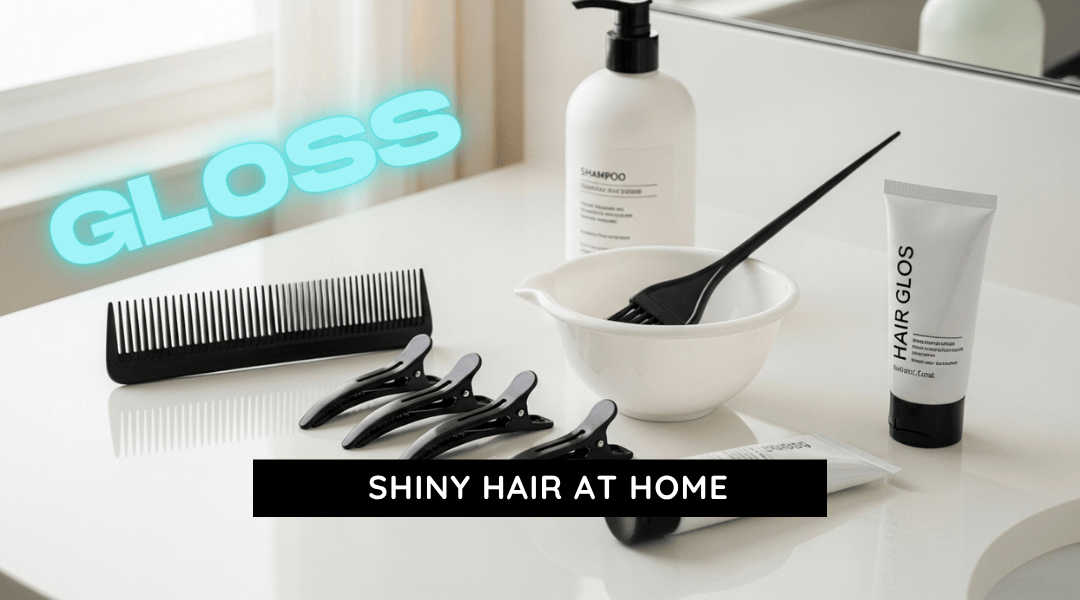 Consider the finishing stage – styling. A salon often has access to a vast arsenal of professional tools, from high-powered dryers and strategically placed blow-dryers to a rainbow of high-gamma finishing gels and mousses, specialized brushes (bobbing, detail brushes), and even advanced appliances like ceramic flat irons. These tools help a stylist not just to style, but to transform the hair, setting the cut with precision and creating the desired texture or volume. An at-home stylist’s tool belt, conversely, is limited. Good results rely on the quality and versatility of the tools available – does the flat iron glide smoothly, or are the sections holding? Professional products often interact better with professional heat tools, creating holds and styles that endure where budget or less powerful tools might not achieve the same longevity or shine.
Visionaries vs. Vanity: Expert Advice Meets Independent Spirit
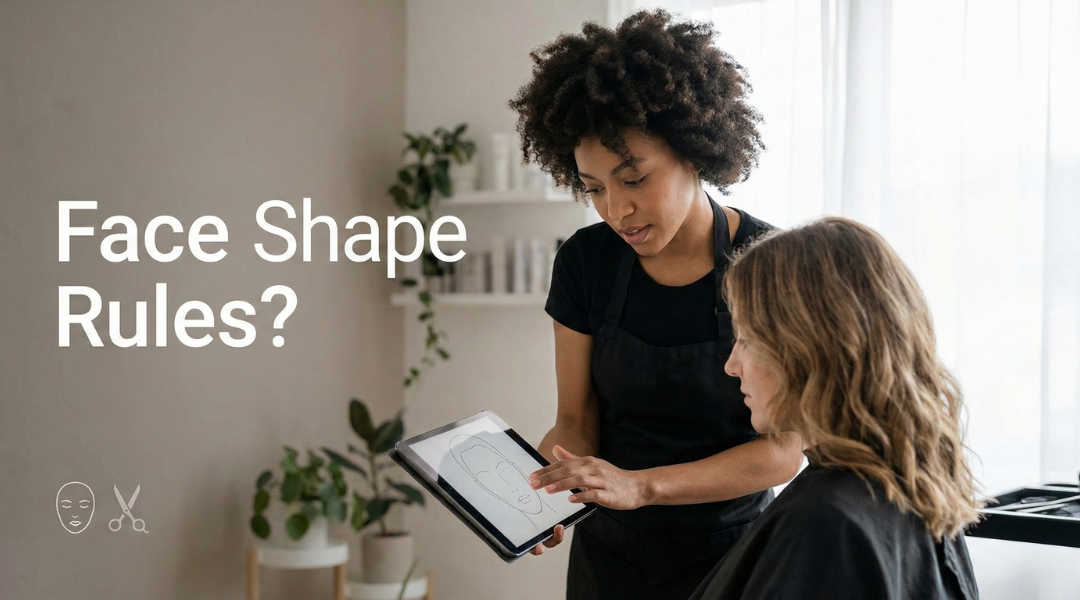
 Finally, consider the scope. Salon professionals offer a unique expertise. They can translate your vision – or even surprise you with suggestions based on your face shape, hair type, and lifestyle – into a tangible style. This isn’t just about making hair look good, but finding the best cut for you. This tailored approach accounts for volume versus weight, movement desired, and practicality. An at-home haircut, while offering the allure of independence (I have control over my hair!), can carry unseen compromises dictated by availability, uncertainty about technique, and the absence of an expert’s personalized guidance. Sometimes, a haircut isn’t just about vanity; it’s about looking one’s best and projecting confidence.
Salon versus at-home haircuts presents a fascinating dichotomy. The former offers precision, transformation, and a touch of luxury expertise, often leading to looks that are perfectly sculpted and enduring. The latter empowers you with skill and control, offering a confidence boost and a stylistic journey unique to the individual. Which path you choose depends entirely on your ambition, budget, and desired outcome. Both have their unique appeal – the polished perfectionism of the salon versus the distinctive personality imbued by the DIY artist. The winning moment is simply when you achieve the look that reflects your unique definition of victory.