
Welcome to another edition of Anything Goes… where we pull back the curtain on the world of hair. As the ultimate accessory, our hair tells a story, reflects our personality, and requires care and attention. While many factors influence hair health (genetics, diet, environment, styling habits), certain problems tend to be more prevalent than others. Think of your own hair, or that of friends and family – likely, at least one or two of the following scenarios will resonate. Understanding the most common hair woes isn’t just about fixing a problem; it’s about appreciating the unique character each hair type possesses and learning how to nurture its best self.
Frizz: The Unruly Flurry
 First up, frizz. Meet the infamous Fluffy! Why does she seem so determined to defy gravity? Often simply the result of hair lacking natural oils (sebum) or having a high moisture content, frizz thrives in humidity. It’s like static cling for hair, making strands stand on end and lose definition. But here’s the tricky part – sometimes, even with dry hair, static or the wrong products can create temporary frizz, turning sleek locks into a wild, autumnal mane. Conquering Fluffy requires understanding your hair type and using products rich in silicones or natural moisturizers, plus perhaps mastering the art of a diffuser or a microfiber towel. Frizz, while frustrating, is just hair’s way of adding texture, but managing its stubborn nature is key to achieving a smoother look.
Dryness: The Thirsty Quest for Hydration
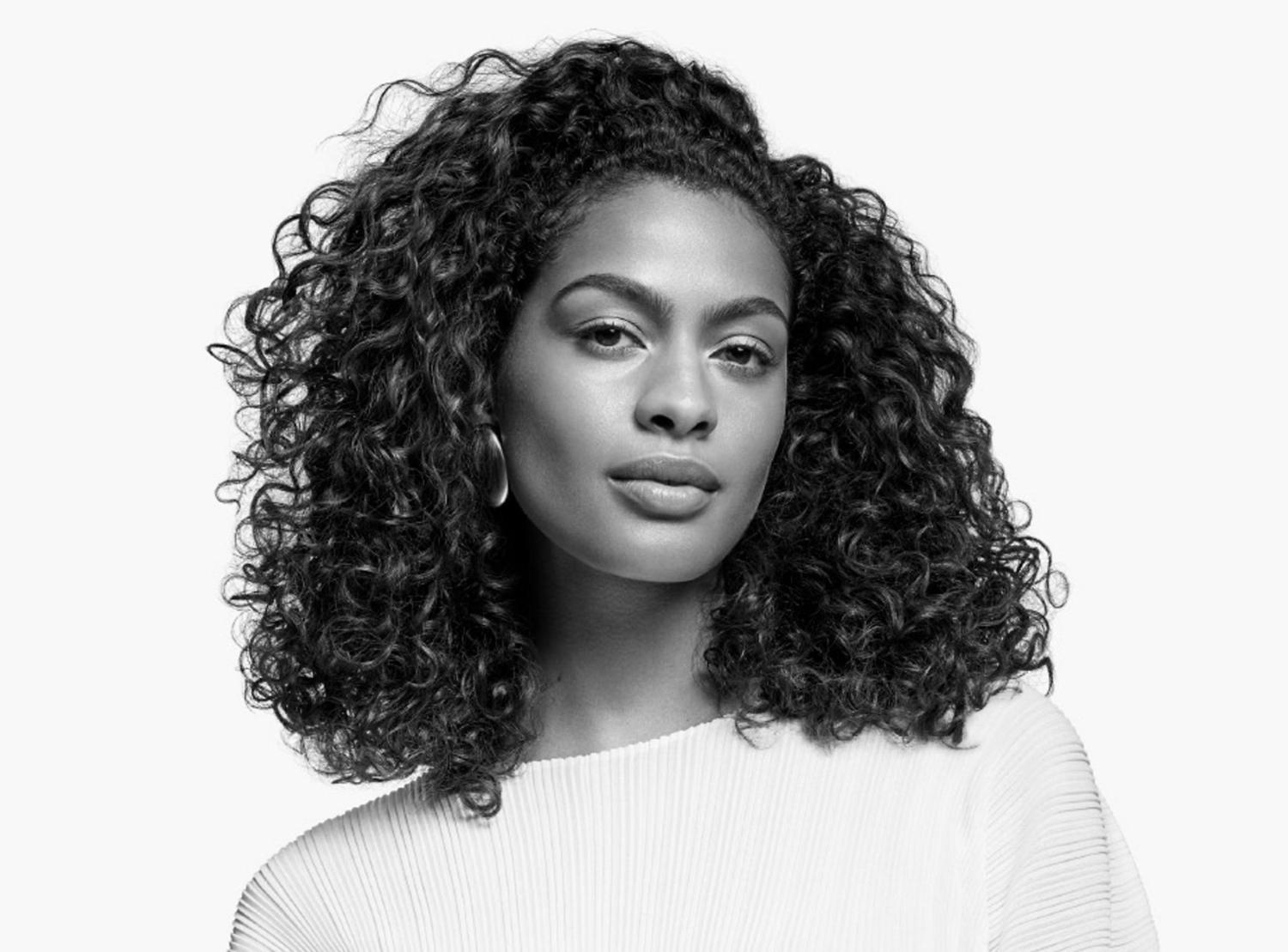 Nestled alongside frizz is dryness – the parched landscape of hair dehydration. Think brittle strands, potential split ends, and maybe even itchy scalps. Dry hair loses its natural moisture barrier, becoming dull, prone to breakage, and often feeling uncomfortable. There could be several culprits: harsh shampoos stripping natural oils, excessive heat styling acting like a blowtorch, insufficient hydration in your diet, or environmental factors like cold weather or indoor heating stripping moisture from the air. Imagine your hair as thirsty explorers needing regular hydration stops. Deep conditioning treatments, leave-in moisturizers, and limiting soap-based cleansers are your best allies. Nourishing your hair’s roots and scalp is fundamental for overcoming dryness.
Split Ends: The Tell-Tale Signs of Breakage
 Then there are the split ends, those unwanted branches that turn smooth sailing into choppy waters. A split end doesn’t just compromise the hair’s integrity; it signals underlying issues or neglect. Hair is naturally a fiber, and once a cuticle layer splits, it’s an invitation for further damage. This can result from aggressive brushing when hair is wet (think of snapping a dry twig versus gently uncurling a softened one), prolonged heat exposure weakening the hair shaft, harsh chemical treatments (like coloring or relaxing), or simply hair taking its natural journey since the last trim. Ignoring split ends is like ignoring warning signs on a roadmap; they can make hair look frayed, unruly, and susceptible to further breakage. Taming split ends often requires limiting heat, using gentle detangling tools, and investing in regular trims – that magical touch that snips off the damaged ends before they become a bigger problem.
Color Bleed: When Vibrancy Fades
 Moving from texture and structure to color dynamics: uncontrolled fading or brassiness. Whether you’ve achieved that perfect platinum blonde or vibrant auburn hue, you wish to keep the color vibrant and true to its original shade. Color fade happens for various reasons: the hair’s natural pigment returning (if not properly covered by semi-transparent color), UV damage from the sun causing blonde hair to oxidize, or the porous nature of hair allowing color molecules to escape over time. Heat styling can also accelerate color loss. It’s like the hair acting like a sponge – absorbing the color initially, but slowly letting it out unless sealed properly. Understanding color chemistry, using toning shampoos to neutralize brassiness, performing color-safe heat protectants, and scheduling regular touch-ups are essential for maintaining your desired hair color’s intensity and longevity.
Oversaturation and Uneven Application: The Spotty Appearance
 Few things are more visually jarring than an uneven hair color application – think patches, ombres gone wrong, or roots that show more than intended. Oversaturation refers to areas of hair color being too dark or too intense, while uneven application describes inconsistent mixing or distribution. Causes often stem from preparation errors (not properly removing previous color or toner, leading to blotchy results), mixing formulas incorrectly, or application techniques that aren’t uniform. Environmental factors like humidity during application can also play a role, affecting how the color takes. This is perhaps one of the most anxiety-inducing hair “problems,” as it directly impacts the final look. Prevention relies on meticulous preparation, precise mixing according to professional guidelines, and applying color in thin, even sections (foils or panels) allowing accurate monitoring of development.
Addressing these common hair challenges requires a combination of understanding the specific issue, tailoring your hair care routine, utilizing appropriate products, and sometimes seeking professional expertise. By paying attention to the unique signal each hair problem sends, you can take targeted steps towards healthier, happier, and more beautiful hair. After all, the journey to hair wellness is about acknowledging the challenges but never letting them dictate your style journey.