
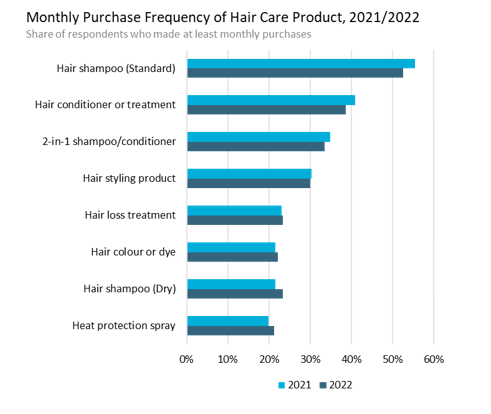
The amount we spend on hair care products feels like a universal source of conversation. Whether you’re talking about the price tag on a new shampoo, debating the cost of premium conditioners, or marveling at the sheer variety of styling tools and serums available, the obsession with our hair seems constant. It’s more than just strands of protein; it often feels like an investment in our self-perception, a way to present ourselves to the world we want to be perceived. But why do we spend so much monthly just to keep our hair healthy and looking its best? This query, “How Much Do You Spend on Hair Care Monthly?”, resonates because hair care routines have become deeply intertwined with our daily lives, reflecting trends, personal identities, and sometimes, even anxieties about aging or appearance.
Investment in Radiance: What Drives Our Hair Care Spending?
 At the heart of monthly hair care expenditure lies the deep-seated desire for healthy, beautiful hair. Healthy hair is often equated with vitality, success, and self-care. This dedication translates directly into spending; we invest in products promising strength, shine, reduced breakage, anti-frizz protection, and, crucially, that perfect beach wave or sleek ponytail. From specialized shampoos targeting dandruff or color-treated hair to luxury oils and masks designed for deep conditioning, consumers are often willing participants in this beauty regimen.
More Than Just Washing: The Accessories and Treatments Factor
 Monthly spending, however, extends far beyond just the basics like shampoo and conditioner. It encompasses styling products – gels, mousses, sprays, creams – each contributing to the final look. Hair dryers, straighteners, curling irons, and blow dryers themselves are significant monthly “rents” in the beauty budget, along with their various batteries, brushes, and accessories. Furthermore, specialized treatments, salon procedures (some even done at home now), and the sheer volume of samplers and travel-sized products needed for daily use or trips contribute significantly to the overall cost. Layered marketing and the constant introduction of new, supposedly revolutionary products only fuel this spending habit.
From Routine to Ritual: The Mindful Spending Angle
Interestingly, spending money can feel rewarding itself. Investing time and resources in self-care, particularly something visual and sensory like hair care, can be perceived as a form of mindful expenditure. It’s a tangible way to nurture oneself, a moment set aside for pampering and attention to a highly visible part of one’s appearance. This mindful aspect transforms spending from merely acquiring goods into an act of self-love, justifying the monthly expenditure as a necessary component of feeling good and taking care of one’s well-being.
Community and Trends Fuel Continued Investment
 In today’s digital and social world, trends related to hair and beauty spread rapidly. Social media platforms showcase intricate hairstyles, reviews hyped up the benefits of specific products, and influencers become household names. Participating in these trends, whether it’s trying the latest serum or achieving a viral hairstyle, often requires purchasing the suggested products or tools. This community aspect and the allure of being ‘in the know’ create a cycle of spending that ensures hair care remains a vibrant and constantly relevant category, influencing monthly budgets worldwide.
Evolving Perceptions: Hair as Investment
Over time, perceptions of hair have shifted. Once purely a practical necessity (like keeping lice at bay), hair is now often viewed as an aesthetic asset worthy of investment. This change in mindset, alongside the increased availability and marketing sophistication of hair care products, means consumers are more likely to engage in regular spending, seeing it as an investment in their current and future self-image. Understanding this context helps demystify the seemingly astronomical figures some mention when asked about their monthly hair care budget. Ultimately, the spending on hair care is intertwined with personal identity, social trends, and the pursuit of a desired image, making it a complex and very personal aspect of the average person’s monthly finances.