
Think you know the difference between a temple fade and a high fade? Perhaps the conversation starts with confidence, but closer inspection often reveals a world of nuance. In the constantly evolving landscape of modern men’s grooming, fades have become ubiquitous, but understanding their specific variations can empower you, helping you select not just a style, but the one that best suits your build and face shape. Forget the generic term; exploring the contrasts reveals a more tailored picture. We’re diving deep into two popular styles: the Temple Fade, and the High Fade. Let’s uncover the subtle yet significant distinctions and see which one promises that sharper look many aspire to.
Sharpening the Silhouette: Understanding Key Elements
 While the term ‘fade’ generally refers to a gradual shortening of the hair as it gets closer to the scalp on the sides or back, the starting point significantly alters the final impression. A genuine Temple Fade is characterized by a much more dramatic undercut specifically above and around the temples. The hair is significantly shorter, often cut underneath the ears towards the crown, sometimes right down to the skin surface. This undercut is the crucial element. It defines the sides and creates a stark contrast against the longer top hair, contributing directly to a sharper, more defined silhouette, particularly noticeable above the temples on the sides of the head.
Close to the Scalp: Defining the High Fade
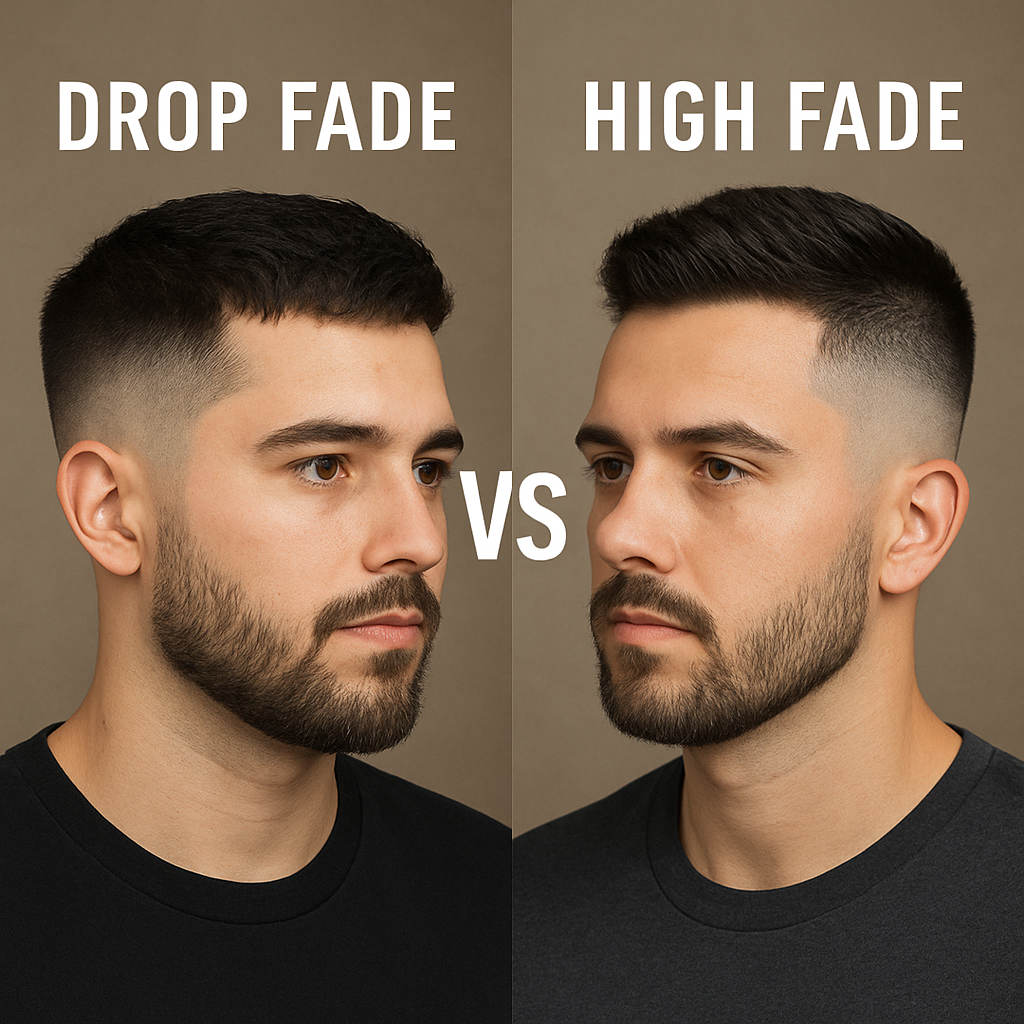 The High Fade, as the name suggests, begins much closer to the hairline, but it’s the depth of the taper that sets it apart. While the sides and back fade down to the skin, the High Fade’s defining feature is how high the fade itself starts. However, the term can sometimes be ambiguous. What some might call a ‘high fade’, possibly starting high on the sides, could be confused with a ‘high taper’. A true high taper starts near (or even at) the top of the ear and fades strongly and smoothly towards the back or sides of the head, potentially extending lower than a standard fade. The High Fade, when correctly executed, involves a higher undercut, ensuring minimal hair is left above the ears even at the side hairline, often resulting in a very sharp, clean transition at the hairline.
Sharpness Defined: Which Fade Carries More Precision?
 When the question of sharpness arises, a clearer pattern emerges. While both styles aim for a sharp edge when executed with precision, the **Temple Fade inherently delivers more visible sharpness** in its execution and result. With substantial portions of the side head significantly shaved down, even a subtle ‘step’ or undercut undercut can create a very pronounced, sharp line against the fading transition or the longer top hair. Its aggressive undercut provides unequivocal definition. The High Fade, particularly a true high undercut version, also excels in sharpness, by minimizing hair above the ears and bringing the cut close to the skull right at the side hairline. This can provide an equally dramatic, sharp edge near the temples, especially when contrasted with a lower-set fade. However, the key factor here is precision: sharpness is the outcome in both, demanding expert hands.
The Debate Continues: Drop Fades, High Fades, and More
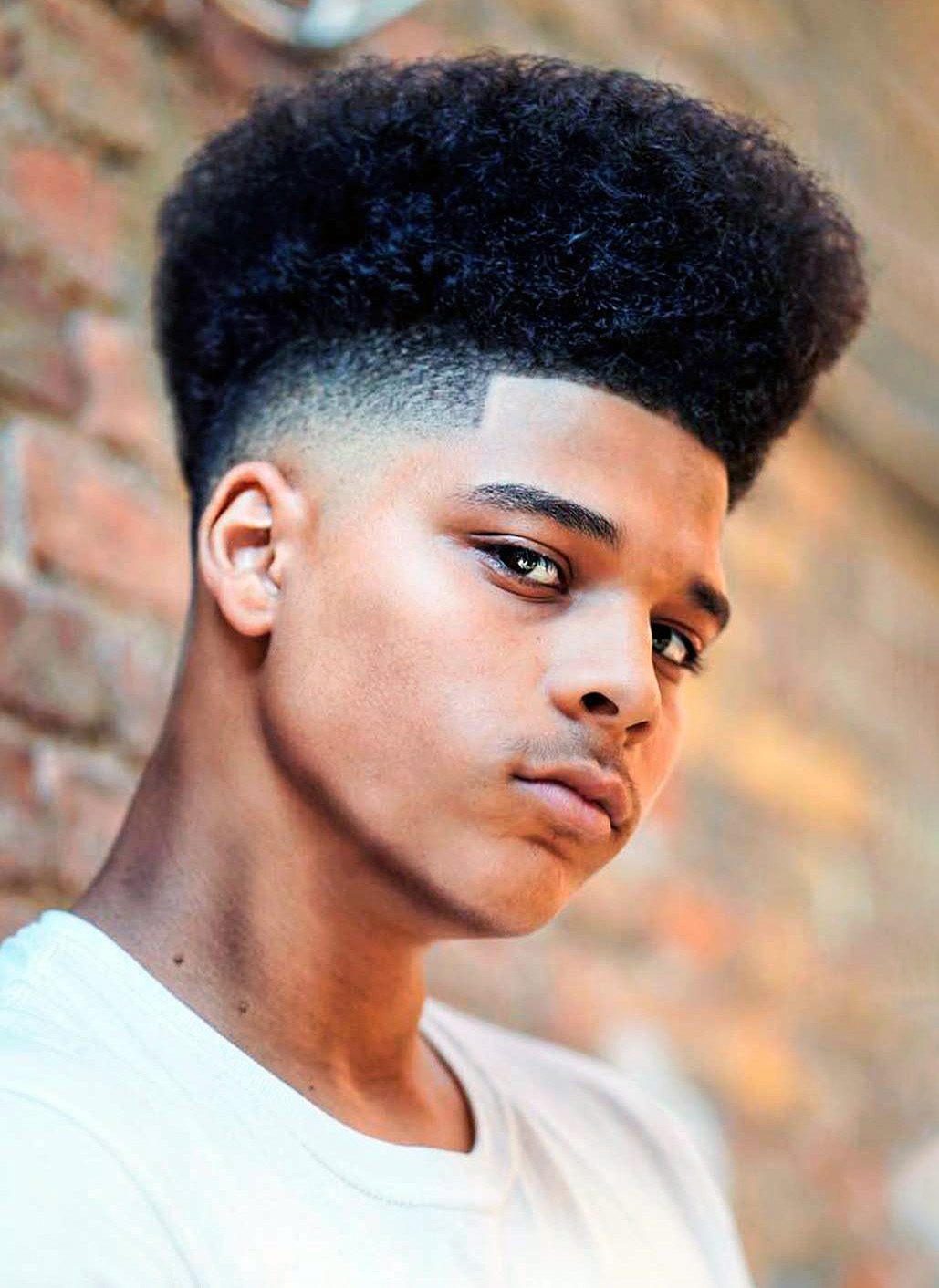 We encounter related terms like ‘Drop Fade’ which adds layers to the discussion. A Drop Fade is essentially a High Fade, characterized by the fade starting higher (closer to the hairline) than a standard fade and tapering down even further, creating an incredibly sharp, undercut neckline. This takes sharpness to its extreme form. When comparing a *standard* High Fade against a *Drop* Fade, the drop version is definitively sharper. Comparing against a typical temple fade, the difference lies less in which haircut is fundamentally sharper overall (given temple fades are built on undercutting), and more in their strategic focus: one sharpens the side temple-to-crown area, the other refines the side hairline’s proximity to the skull. Your ideal sharpness depends on where you want that edge.
Conclusion: Precision Isn’t One Size Fits All
 The question isn’t which fade is necessarily sharper, but rather which achieves your desired level of sharpness, based on placement and undercut style. Whether your goal is the bold, undercut definition of a Temple Fade, or the clean, minimally-hairened side plane of a very high or Drop Fade, understanding this distinction removes guesswork from your stylistic conversation. The key is precision tailored to your face shape and hair type. Which one feels right for you depends on the specific haircut chosen, its undercut level, and the masterful execution to reveal the sharp lines they promise. Go into your next appointment armed with this clarity.