
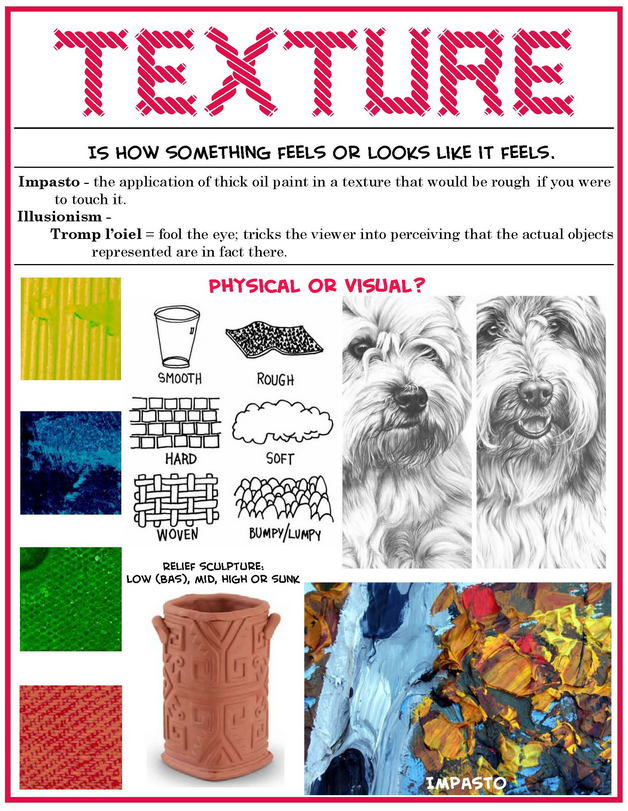
Welcome, lovely readers! Gather around, let’s chat about something incredibly tangible, or so we like to think – texture. Because we’re diving deeply into the domain where texture reigns supreme. Is it really texture is everything? We’ll have a playful poke at that very notion, shall we? Let’s embark on a textural exploration, shall we?
Velvet on the Verge
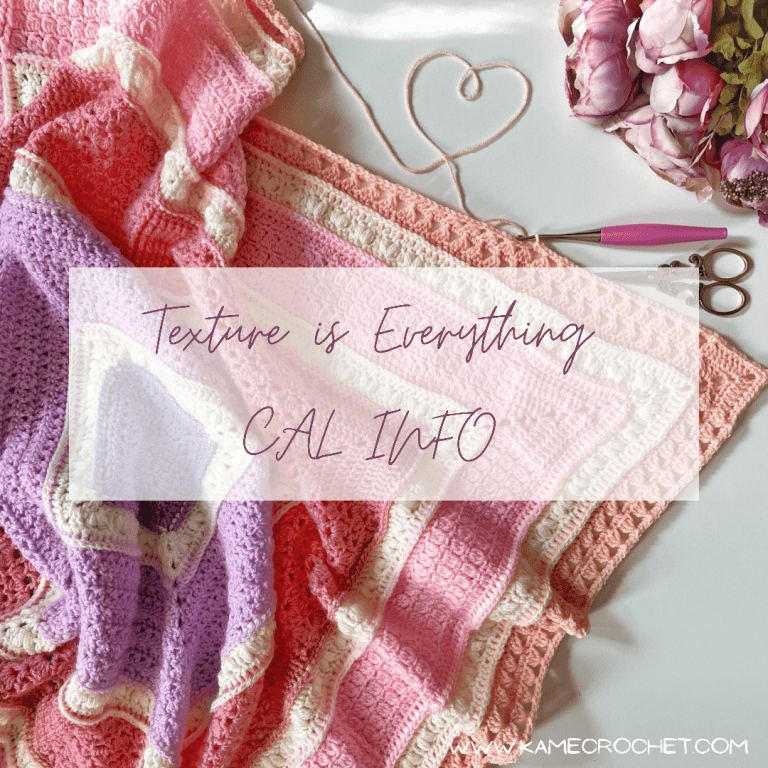 Hold this thought: is it the velvet smoothness of petals catching the ambient light, or does the soul see the journey first? This image, whispering its plush secrets, poses a delightful challenge. Texture here isn’t just a surface property; it evokes touch, it suggests a haptic journey even before the fingers join. The velvety touch promises luxury, intimacy, a gentle embrace – but is this sensory whisper the ultimate design mantra, or simply a pathway to deeper emotional resonance?
Beyond the Surface Scoop
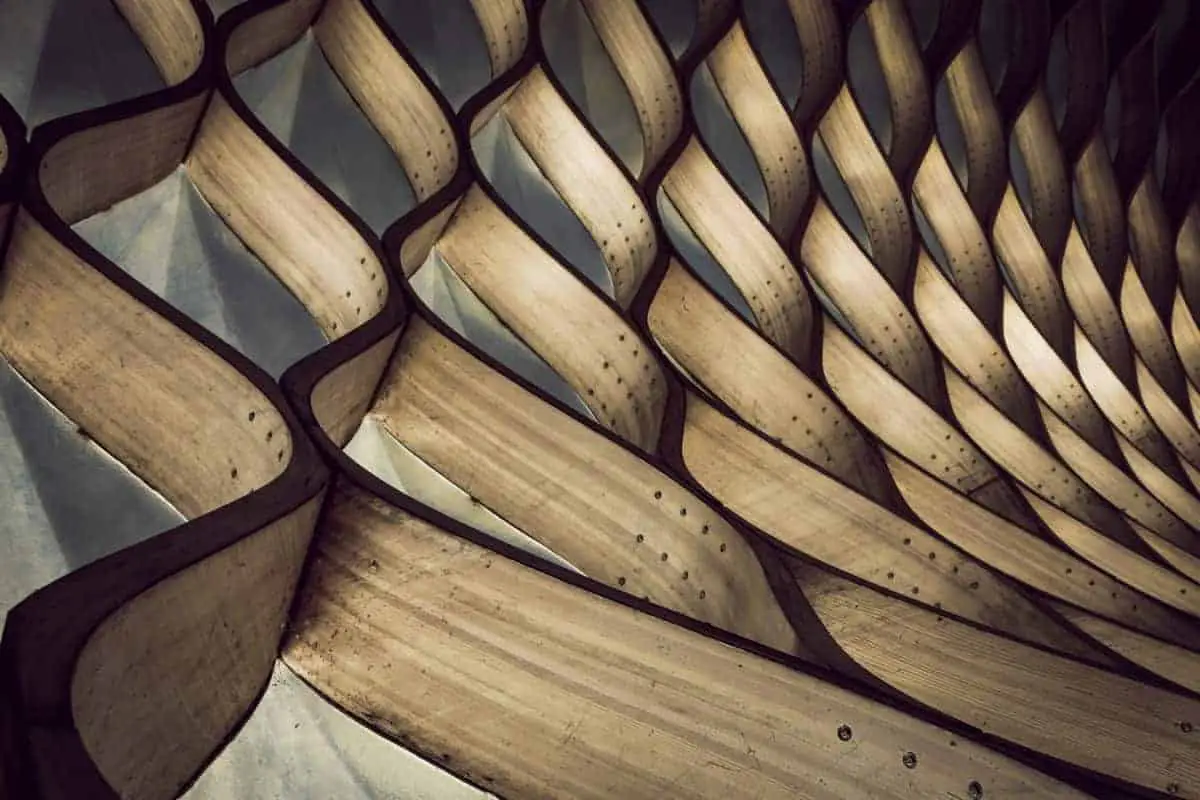 Look at this piece, showcasing textures side-by-side, and ask yourself – how many layers are we perceiving? This image, a master at unveiling the tactile tapestry, doesn’t just show diverse surfaces; it forces us to engage. We don’t just see the differences; we can almost feel the contrast between soft skin, the coarse grit of bark, and the intricate story woven into the carved wood. Does this tactile revelation prove that texture is indeed the core element that carries meaning, or are we just appreciating the depth that comes from varied surface encounters?
The Pin’s Whisper of Texture
 This captivating creation, born from a pin’s perspective, introduces us to a beautifully rendered textural adventure. Here, texture is not merely a static quality but an invitation to journey along gradients, to feel the smooth transition blend seamlessly into more complex patterns. The artistry involved speaks volumes about the power to shape perception through touch – simulated and imagined. Is this elegant textural journey so compelling because it speaks to our innate desire to engage, to explore, touch even the unseen? It feels like a strong contender in the “texture is everything” conversation, doesn’t it?
The Enduring Dialogue of Texture
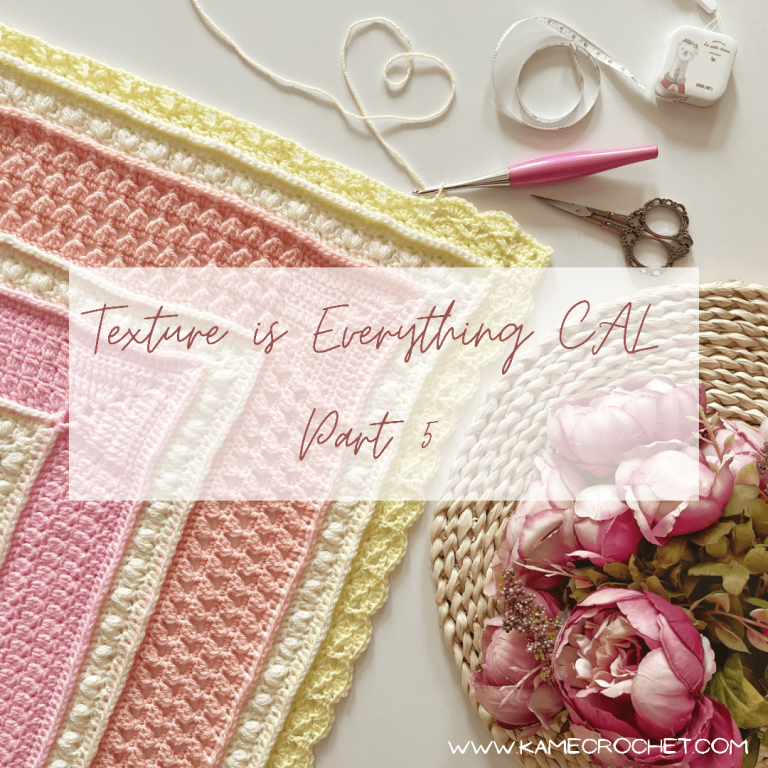 Taking us further along, this compelling piece delves into a different realm of texture – the digital, dynamic kind. It confronts us with evolving, complex, yet seemingly smooth forms, pushing the boundaries of what texture can be in a technological age. Yet, even here, the sense of tactility, albeit synthetic, persists. We feel the weight of the patterns, the fluidity of the change, challenging our perception of where the real texture lies. Does embracing the complex, the evolving, become the quintessential proof that texture is a fundamental driver, adapting eternally to our changing world? It certainly suggests texture isn’t static.
Framing Texture in Design Conversation
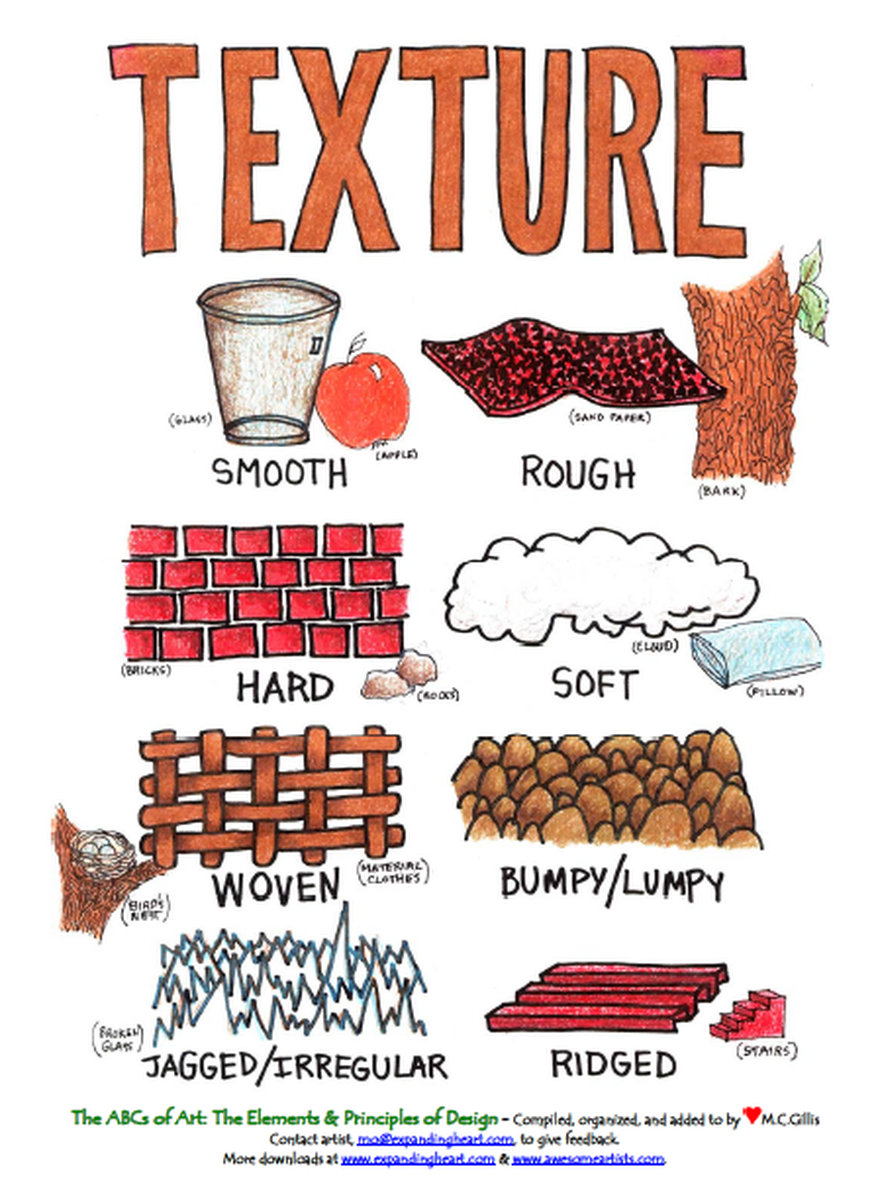 Let’s shift gears to the design world. This image cleverly merges the form (is it an icon?) with textural suggestion, right in the domain of typography and layout. Here, texture isn’t just a surface detail; it’s conceptualized as a fusion with visual elements. We see an icon, perhaps suggesting function or form, combined with layered texture, adding depth to the visual language itself. The “what is” question hanging in the air: how do we integrate texture digitally to enhance communication, to create layers beyond the purely functional? Does this layered approach prove texture is integral to crafting meaningful, resonant, and sophisticated experiences? It feels like a thoughtful, textural dialogue in the making.