

Thick hair often comes with its own set of challenges—volume that’s hard to manage, styles that fall flat, and a texture that can feel overwhelming. Texturizing techniques offer a solution by adding movement, reducing bulk, and enhancing your natural shape without sacrificing length. Whether you’re looking to soften a blunt cut, add dimension to layers, or simply make your hair more manageable, texturizing can transform thick hair into a stylish, wearable masterpiece. Below, we explore different texturizing methods tailored to thick hair, along with step-by-step guidance to help you achieve the perfect look.
What Are Texturizing Shears Used For?
 Texturizing shears are a game-changer for thick hair, as they remove bulk while maintaining shape and movement. Unlike regular scissors, these specialized shears have notched blades that create subtle, feathery ends rather than clean cuts. For thick hair, this technique helps reduce weight, making it easier to style and reducing the time spent blow-drying or brushing. Start by sectioning your hair and using the shears to snip vertically into the ends, focusing on areas where hair appears too dense. The result? A softer, more layered look that enhances your natural texture without losing volume at the roots.
Mastering Texture: Effortless Techniques for Long Natural Hair
 Long natural hair thrives with texturizing, especially when you want to maintain length while adding definition. One effective method is point cutting, where the tips of the shears are used to create soft, wispy ends. This technique works particularly well for thick hair, as it prevents the ends from looking too heavy or blunt. To try this at home, hold a section of hair between your fingers and snip vertically into the ends at a slight angle. Focus on the mid-lengths and ends, avoiding the roots to preserve volume. The goal is to create a lived-in, effortless look that frames your face beautifully.
The Art of Texturizing Black Hair: Techniques and Tricks
 Black hair often requires specialized texturizing techniques to enhance its natural beauty without causing damage or disrupting curl patterns. For thick, coily, or kinky hair, texturizing should focus on reducing bulk while maintaining definition. One popular method is twist-and-cut texturizing, where small sections of hair are twisted before snipping the ends to create soft, feathered layers. This approach helps maintain the integrity of the curl while adding movement. Another option is slide cutting, where the shears glide along the hair shaft to remove weight gradually. Always use sharp shears and work in small sections to ensure precision.
What Does a Texturizer Do to Natural Hair? A Comprehensive Guide
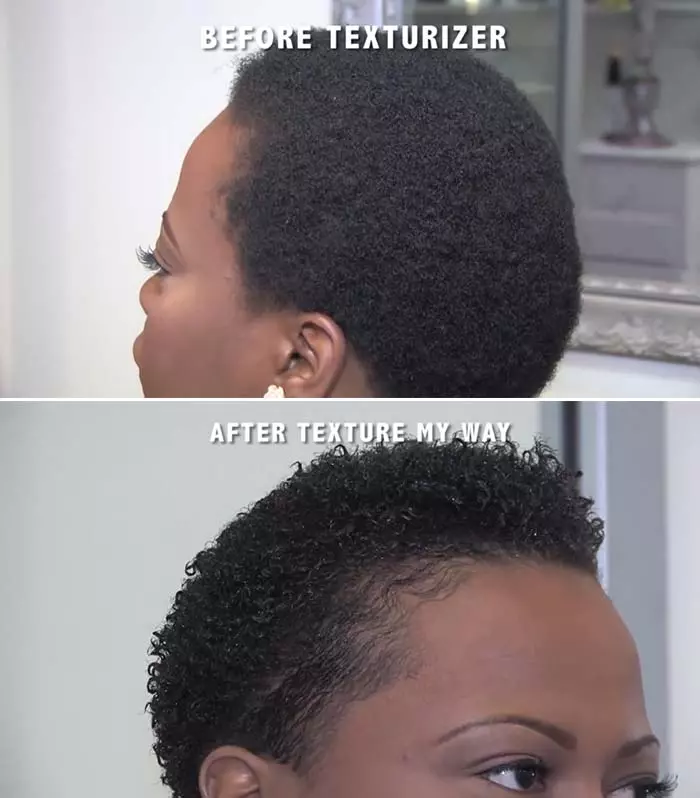 A texturizer is a chemical or mechanical process designed to loosen tight curls or reduce curl intensity while adding softness and manageability. For thick natural hair, a texturizer can help stretch out tight coils, making the hair easier to style and manage. However, it’s crucial to approach this process with caution, as over-processing can lead to damage. If opting for a chemical texturizer, always perform a strand test first and follow up with deep conditioning treatments. Alternatively, mechanical texturizing methods like point cutting or slide cutting can achieve similar results without chemicals. The key is to enhance your natural texture while preserving its health.
End Finishing or Point Cutting When You Texturize Hair
 Point cutting is a versatile texturizing technique that works wonders on thick hair by creating soft, blended ends. Unlike blunt cuts, which can make hair appear heavy and unruly, point cutting adds subtle layers that enhance movement and reduce bulk. To execute this technique, hold a section of hair taut and use the tips of your shears to snip vertically into the ends. Focus on areas where hair appears too dense, such as the crown or nape, to create a more balanced silhouette. For best results, combine point cutting with other texturizing methods like slide cutting or twist-and-cut for a customized, polished look. The result is hair that’s easier to style, less prone to tangling, and full of life.