
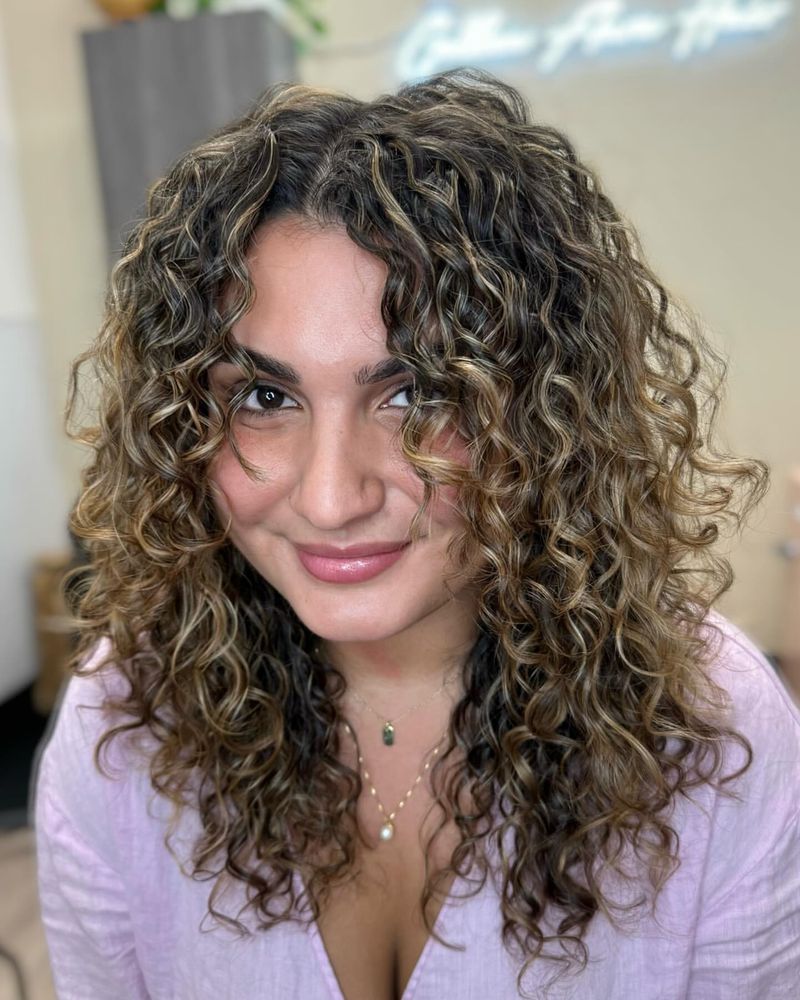
Ever stood in front of the mirror, running your fingers through your thick, straight hair, and wondered how to tame its volume without losing its sleek elegance? What if I told you there’s a way to add movement and dimension without sacrificing that polished look? Enter: Thai soft layers. These delicate, feather-light cuts are the secret weapon for thick straight hair, offering a playful balance between structure and effortless flow. Let’s dive into how these layers can transform your mane from overwhelming to oh-so-chic.
Why Thai Soft Layers Are a Game-Changer for Thick Straight Hair
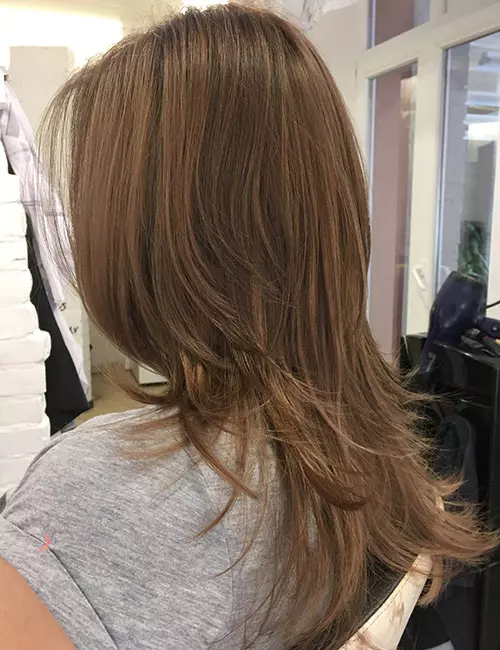 Thick straight hair often struggles with volume at the roots, leaving it looking flat or overly dense. Thai soft layers slice through that monotony by strategically thinning out sections, reducing weight, and creating subtle texture. Unlike harsh, choppy layers, these are designed to blend seamlessly, giving your hair a lighter, more dynamic feel. The result? A hairstyle that’s easier to style, less prone to frizz, and—best of all—maintains that sleek, straight appeal you love.
How to Style Thai Soft Layers for Maximum Impact
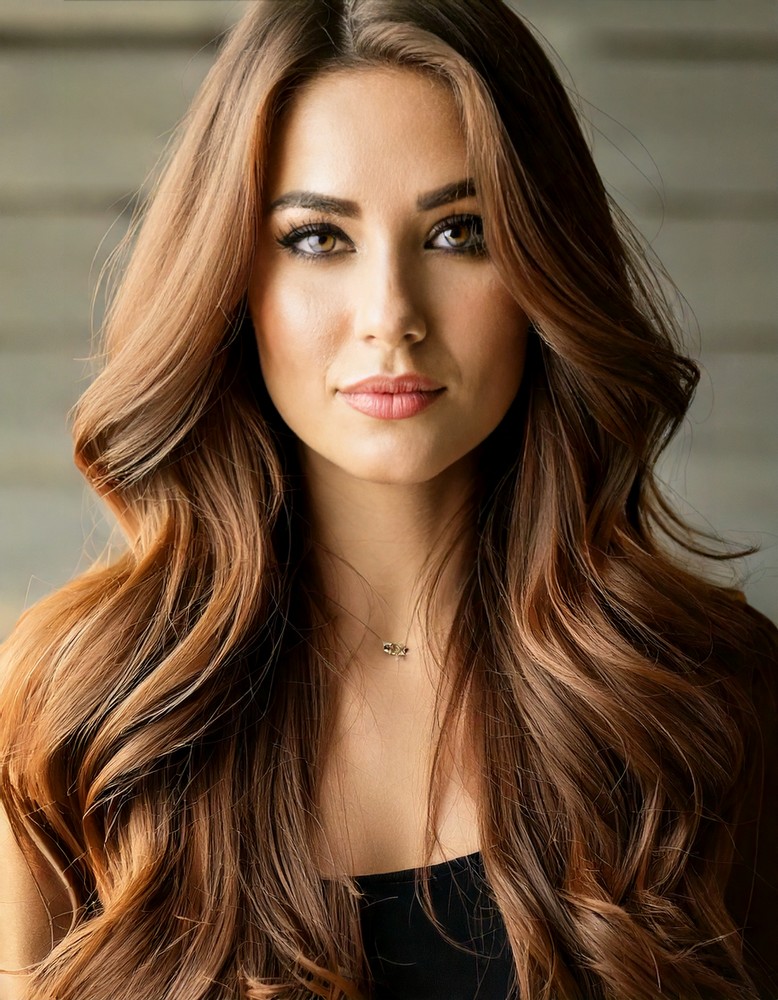 Styling thick straight hair with Thai soft layers is all about enhancing their natural flow. Start with a heat protectant to shield your strands, then use a flat iron to smooth out any unevenness. For a modern twist, try a middle or side part to showcase the layers’ movement. If you’re feeling adventurous, a light mist of texturizing spray can add just enough grip to create subtle waves without disrupting the straightness. The key is to work with the layers, not against them—let them guide your styling for a look that’s both polished and playful.
Thai Soft Layers vs. Traditional Layers: What’s the Difference?
 Not all layers are created equal, and that’s especially true when comparing Thai soft layers to their traditional counterparts. Traditional layers often feature sharp, defined cuts that can create too much separation in thick hair, leading to a bulky or uneven appearance. Thai soft layers, on the other hand, are all about subtlety. They’re cut at varying lengths and angles to create a gradient effect, blending seamlessly into your natural hair. This means less bulk, more movement, and a finish that’s far more forgiving—perfect for those who want to keep their straight hair looking intentional, not overdone.
Can Thai Soft Layers Work for Your Face Shape?
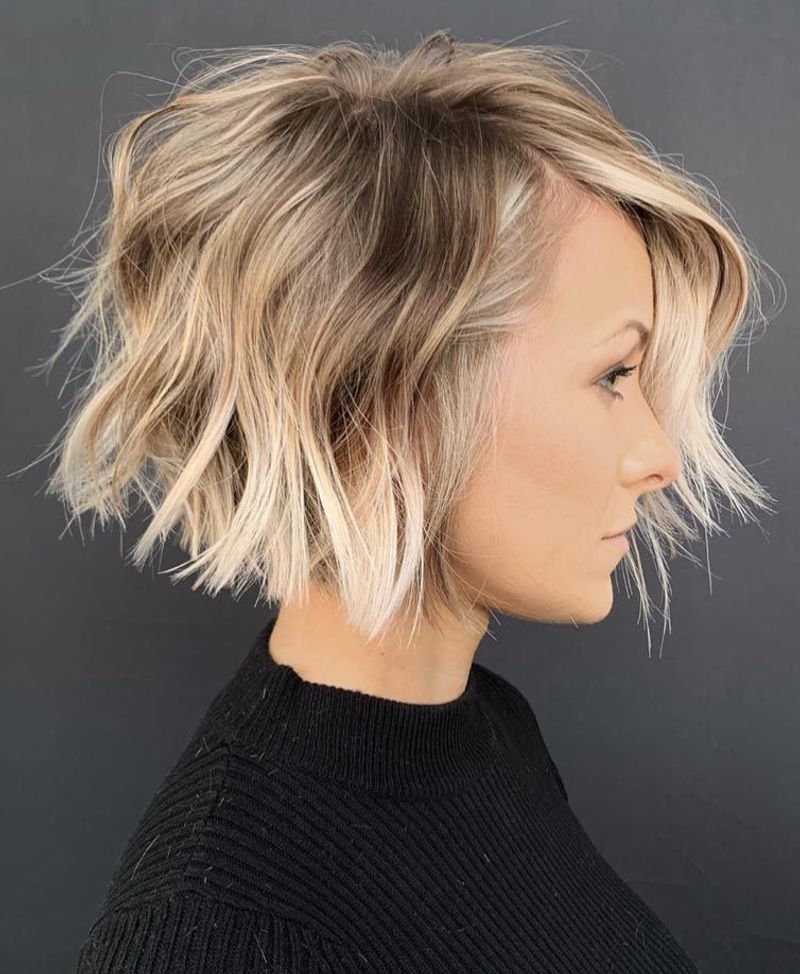 Absolutely! One of the best things about Thai soft layers is their versatility. Whether you have a round, square, oval, or heart-shaped face, these layers can be tailored to enhance your natural beauty. For round faces, longer layers around the chin can elongate the face, while face-framing pieces can soften angular features. Square faces benefit from layers that start below the jawline to add curves, and oval faces can pull off almost any layer length. The trick is to consult with a stylist who understands how to customize Thai soft layers to your unique bone structure—because the right cut can make all the difference.
Maintaining Thai Soft Layers: Tips for Long-Lasting Freshness
 Thai soft layers require a little extra TLC to keep them looking their best, but the effort is worth it. Start by using a sulfate-free shampoo to prevent stripping your hair of its natural oils, which can weigh down the layers. A deep conditioning treatment once a week will keep your strands hydrated and prevent split ends from ruining the soft, blended effect. When trimming, opt for a stylist who specializes in precision cutting—these layers need regular maintenance (every 8-12 weeks) to stay crisp and intentional. And don’t forget: a silk pillowcase can work wonders for preserving your straight style overnight, reducing friction and frizz.