

The world of hairstyling is constantly evolving, pushing boundaries and blending familiar elements into something entirely new and unexpectedly chic. One such exciting fusion is the Bixie cut, a dynamic combination that’s capturing hearts and heads alike. If you’ve heard whispers about this style but aren’t entirely sure what it entails, fear not. Think of it as a meeting point, a delightful blend of two popular hairstyles: the timeless bob and the mischievously cool pixie. What happens when pixie’s cheeky charm meets bob’s refined simplicity? A whole new playground of possibilities emerges, offering a fresh take for anyone seeking a hairstyle that’s both recognizable and refreshingly unique.
Anchoring Structure: The Bob’s Influence
 At the core of the Bixie lies the reliable bob. This classic cut, typically falling between the ears and shoulders, has stood the test of time. The bob provides a strong foundation—practical, manageable, and instantly recognizable. A Bixie often retains the bob’s balanced silhouette but adapts it, perhaps pushing the length slightly higher for a more modern feel or modifying the shape to harmonize with coarser lengths typical of pixie-inspired variations.
Adding the Sparkle: The Pixie’s Irreverence
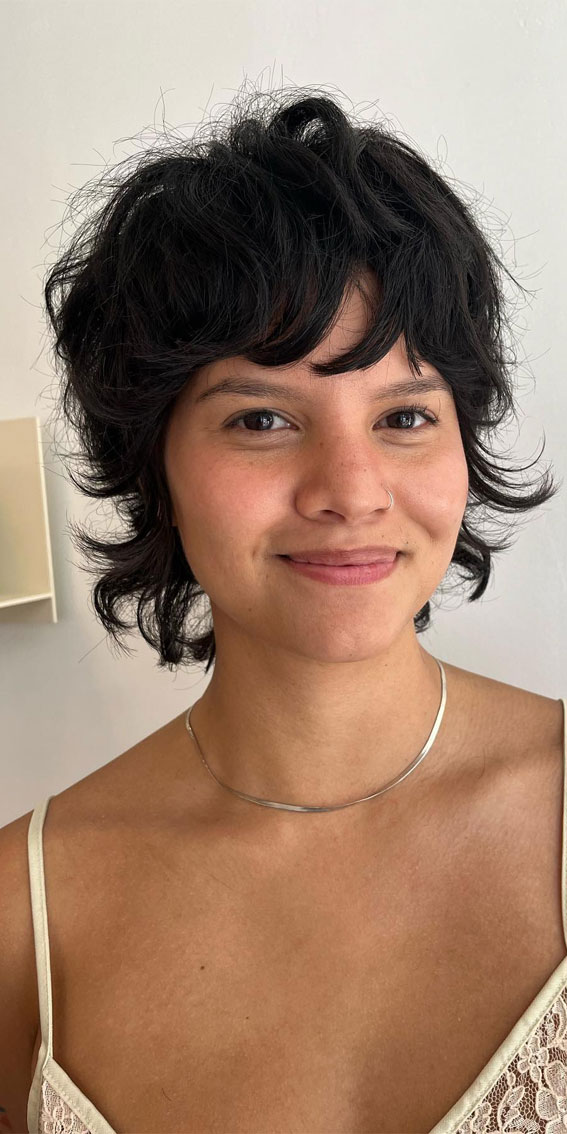 Where the Bixie truly breaks new ground is through the infusion of pixie elements. No longer just lengthening the back, the Bixie incorporates the pixie’s signature layers, texture, and boldness. Imagine shorter sides and back, perhaps with the distinct undercut style common to some pixies, framing the face with a daring edge while the top maintains a style influenced by the bob. The pixie brings movement, volume, and a playful, almost mischievous energy that prevents the Bixie from becoming too stuffy or conventional.
Key Characteristics of the Bixie Cut
 A closer look at the Bixie reveals its distinct blend. You might notice the strategic use of layers—creating dimension and softness but retaining definition. Texturizing is key, adding volume and movement that defies heavy hair. The cut often features a seamless blend between different layering techniques, especially near the face and neck, showcasing how form is expertly merged. This isn’t about drastically shortening the hair or drastically lengthening it; it’s about smart placement and shaping, allowing for incredibly versatile wear from day to night.
Texturizing and Layering: Balancing Act
 The success of the Bixie lies heavily in its texturizing and layering. Coarse hair might benefit from longer lengths but needs internal layers for body; fine hair, on the other hand, might require more external layers for separation. The layers aren’t just about slicing through the hairline; they’re about crafting shape and preventing the cut from looking too flat or predictable. This careful balance is what gives the Bixie its signature look—effortlessly chic yet dynamically sculpted.
Cutting Through the Staid: Bolder Than a Bob
 One of the most appealing aspects of the Bixie is that it’s inherently more expressive than a standard bob. It leans towards the bolder side, often incorporating asymmetry, underlayers, or even bold color statements. This style wasn’t made for conformists; it’s for those who dare to step a little outside their hair comfort zone, opting for a style that winks at tradition and dares you to define it yourself. The possibilities are vast—ranging from the subtle elongation of the back within a classic bob shape to more adventurous undercut designs that flirt with pixie territory.