

There’s a moment in every carver’s journey when the chisel meets the wood—and the real work begins. Not in the force of the strike, but in the careful removal of material, the strategic shedding of weight. The carved cut isn’t just a slice; it’s a decision. It’s the difference between a block that feels heavy and one that feels alive. When you remove wood with intention, you’re not just shaping—you’re revealing. You’re shifting perspective, both yours and the viewer’s. What was once solid becomes open. What was dense becomes light. And in that transformation, something new emerges.
The Power of the First Cut: Roughing Out the Vision
 Every masterpiece starts with a bold beginning. The first cut is where hesitation dies and confidence is born. Roughing out isn’t about perfection—it’s about liberation. You’re not carving details yet; you’re removing the excess, the parts that don’t belong to the final form. This stage is about seeing the hidden shape within the wood, trusting your eye before your hands fully understand. A chainsaw or a hatchet becomes an extension of your vision. The rough cut clears the path, strips away the noise, and leaves only the essential silhouette. It’s a humbling act—realizing how much material must disappear for the true form to appear. But when you step back and see the rough outline emerge, something shifts. The weight of the block begins to lift. And suddenly, the piece isn’t just a chunk of wood anymore. It’s a promise.
Precision in Motion: The Cut That Defines Direction
 A cut isn’t just a removal of material—it’s a conversation between hand, tool, and wood. The angle, the pressure, the rhythm—each element speaks to the final character of the piece. A shallow cut might suggest delicacy, a deep one, strength. But the most telling cuts are those that guide the eye. They create flow, lead the viewer’s gaze along curves and contours. Think of the way a river bends around a rock: the water doesn’t fight the stone, it flows with it. Your cuts should do the same. Whether you’re working with a gouge or a knife, each stroke should feel intentional, like a sentence in a larger story. The wrong angle can trap the eye; the right one can set it free. Mastering the cut means learning to listen—to the wood’s grain, to the tool’s feedback, to the emerging form. And when the cut is true, the piece begins to breathe.
The Hidden Language of the Cut: Texture, Depth, and Emotion
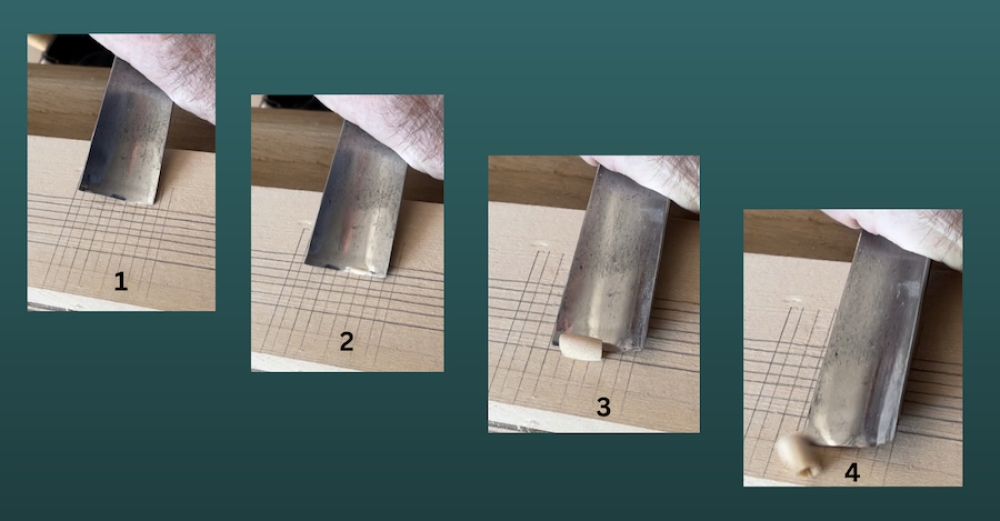 Not all cuts are created equal. Some are bold declarations; others are whispers. Some leave deep grooves that catch the light; others create smooth, flowing surfaces that invite touch. The language of the cut is subtle but powerful. A V-cut might evoke tension or sharpness, while a U-gouge can suggest softness or fluidity. Depth isn’t just about how far you go—it’s about how you invite the viewer to engage. A shallow cut can feel intimate, like a secret shared. A deep one can feel dramatic, like a cliff’s edge. Texture tells a story too. Rough, jagged cuts might speak of struggle or wildness, while polished, fine cuts can convey elegance or serenity. Every mark on the wood is a word in a silent dialogue. And when you learn to speak that language fluently, your carvings stop being objects—they become experiences.
From Mass to Meaning: Removing Weight to Reveal the Soul
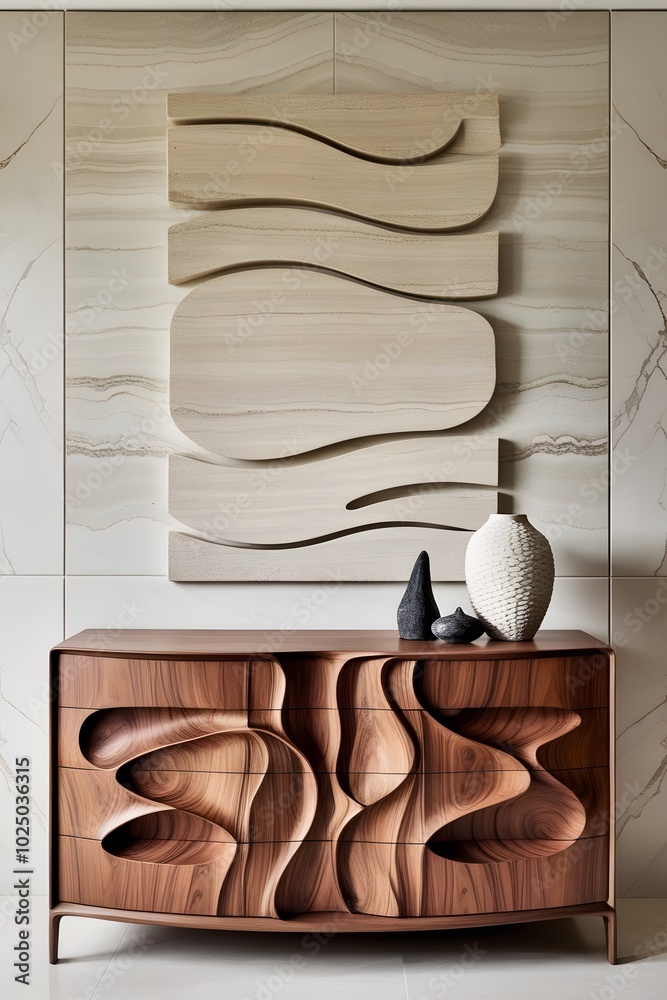 Weight isn’t just physical—it’s emotional. A heavy piece feels burdensome, even if it’s beautiful. But a piece that feels light, despite its size, carries a different energy. It feels effortless, intentional. That’s the magic of strategic removal. You’re not just taking away wood; you’re stripping away doubt, excess, and distraction. You’re revealing what matters. Think of a sculptor like Michelangelo, who saw the figure trapped in the stone. His genius wasn’t in adding—it was in removing. Every chip of marble was a step toward liberation. The same principle applies to wood. When you remove the right pieces, the form doesn’t just appear—it awakens. The grain sings. The curves flow. The piece feels alive. And suddenly, what was once a block is now a vessel of meaning. The cut becomes more than a technique—it becomes a philosophy. Less is not absence; it’s presence.
The Final Cut: When Less Becomes More
 There comes a moment in every carving project when you realize you’ve done enough. Not because you’ve finished—but because you’ve arrived. The piece doesn’t need another cut. It doesn’t need more weight removed. It needs space to be seen. That final cut isn’t about subtraction anymore; it’s about revelation. You step back, and the form speaks for itself. The rough edges are gone. The unnecessary bulk is gone. What remains is pure essence. The carved cut, in its quietest form, is an act of trust. You trusted your eye in the beginning. You trusted your hand in the middle. Now, you trust the wood to carry the story. And when that trust is honored, something remarkable happens: the piece doesn’t just sit in the room. It transforms the room. It shifts perspectives. It invites curiosity. It whispers, “Look closer.” And in that invitation, the magic of carving is complete.