

The Chelsea cut, that daringly cropped style featuring short, spiky hair, thick sideburns, and perhaps a dramatic part, has undergone a fascinating transformation. Born from the subversive energy of the 1970s punk rock scene and the earlier mod revivalism, this haircut became more than just a look; it was a statement. It declared rebellion, a certain nonchalance, and a lean towards the raw energy of the moment. In the digital age, the Chelsea cut isn’t just relegated to fashion magazines or nostalgic photo galleries; it’s experiencing a powerful resurgence, becoming a symbol of blending retro aesthetics with contemporary indie and alternative fashion scenes.
A Look Back: Performance or Practicality?
 The connection between the famous band Chelsea (often referred to as the band with the same name as the haircut) and the style itself is undeniable, though perhaps convol’tenuous. The band, active in the mid-1970s, epitomized the no-wave, experimental, and inherently cool elements of the New York punk scene. Their presence in the narrative of the Chelsea cut is inextricable, representing a raw, unfiltered energy that the haircut visually mirrored. Was the style integral to their stage presence and aesthetic, or did the band merely embody a look that was already gaining traction?" The visual impact – the cropped hair, the slightly theatrical posture, the thick sideburns – is key. The image often associated, perhaps capturing a performance shot from the era, visually solidifies this link, presenting a snapshot of aesthetic rebellion that continues to influence.
From Stage to Scalp: Exploring the Chelsea Cut Variations
 The Chelsea cut isn’t a one-size-fits-all statement. Like many iconic looks, it manifested in various forms. Often characterized by a short, shaggy back with minimal length, the sides are sculpted upwards into those signature thick sideburns, frequently with a notable undercut or shaved edges creating height and dimension. The famous asymmetrical part, sometimes extending upwards or just to the temples, adds to its distinctive, slightly undone coolness. The short fringe, if present, is often kept short too. This versatility allows for countless reinterpretations, from a more natural, thick look to a sharper, edgier style with higher pompadour-like sides. The image referenced captures a glimpse into this world of possibilities, offering a visual tour through 450 ideas that keep the rebellious spirit alive, proving that the Chelsea cut remains fluid and adaptable.
The Punk Singles Collection: Music and Visual Identity
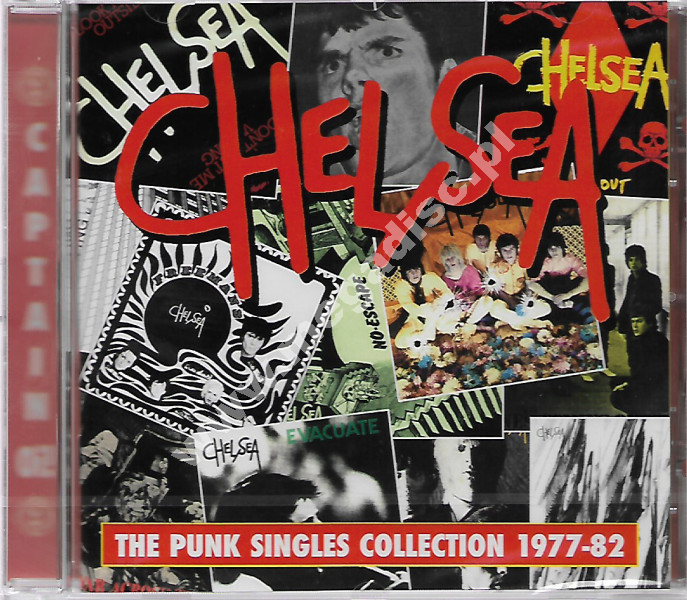 Music was intrinsically linked to shaping and solidifying the punk aesthetic, and the Chelsea cut played a role in translating sonic rebellion into visual form. Collections like the “Punk Singles Collection 1977-82” housed more than just tracks; they were time capsules. They captured the energy, the fashion, and the hairstyles of an era. A look as evocative as the Chelsea cut, often used as a band’s mascot logo or featured prominently in album art and photographs, naturally found its way into these compendiums. The visual element – the spiky, confident hair – reinforced narratives of youth culture, nonconformity, and musical revolution. This album cover or compilation visual acts as a powerful artifact, visually representing the musical movement that helped popularize many styles from that period.
Alt/Diy/Punk/Metal: The Chelsea Cut’s Cultural Mosaic
 The cultural resonance of the Chelsea cut extends well beyond its punk rock origins. The versatility of styles, particularly the characteristic thick sideburns and the unique hair parting, has made it a recognizable element across various music genres and aesthetic subcultures. Think alt-rock, indie, DIY fashion circles, and even certain facets of metal or gothic styles – these variations on the theme continue to adapt. A close-up shot focusing specifically on facial hair or the cut itself doesn’t just capture hair but tells a story about belonging, cultural expression, and the ongoing dialogue between historical styles and modern identity. It visually maps a territory where the punk influence of the Chelsea cut still holds sway, adapted for contemporary takes on rebellion and individuality within diverse musical tribes.
Rediscover the Rebellion: Chelsea Cut Today
 Today, the Chelsea cut represents more than just nostalgia. It is a symbol of a cyclical interest in vintage-inspired aesthetics, filtered through a more polished, perhaps even aspirational, lens. Platforms like Amazon Music allow access to the very music that birthed and influenced many aspects of the era, creating a connection between the sounds and the styles. Looking at historical examples or even modern interpretations via such platforms highlights a significant shift in perception. While perhaps shedding some of its raw edge, the haircut retains its core appeal – it’s a look that commands attention, suggesting confidence, individuality, and a connection to a rich history of rebellion and coolness. The Chelsea cut is not just hair; it’s a nod to the past and a statement for the present, promising a shift in perspective that bridges generations and subcultures alike.