

Braids stand as more than just intricate hairstyles; they are living threads woven into the very fabric of Black history, culture, and identity. Across continents and centuries, the act of braiding hair has served as a powerful form of expression, resistance, spiritual practice, and social communication within Black communities. From ancient Egypt to modern runways, the cultural significance of braids is profound and multifaceted.
The Rich History of African Braiding Traditions
 The origins of many complex braiding techniques trace back to Africa, where specific patterns held deep cultural meanings. In ancient Egypt, elaborate braids denoted high status and religious significance. Elsewhere on the continent, intricate cornrow patterns, twists, and Fulani knots often communicated information about marital status, age, social rank, geographic origin, and even marital fertility – all vital information in communities without formal written records. These sophisticated techniques were not merely decorative; they were codified systems of language and identity.
Braids in the African Diaspora: Slavery and Resistance
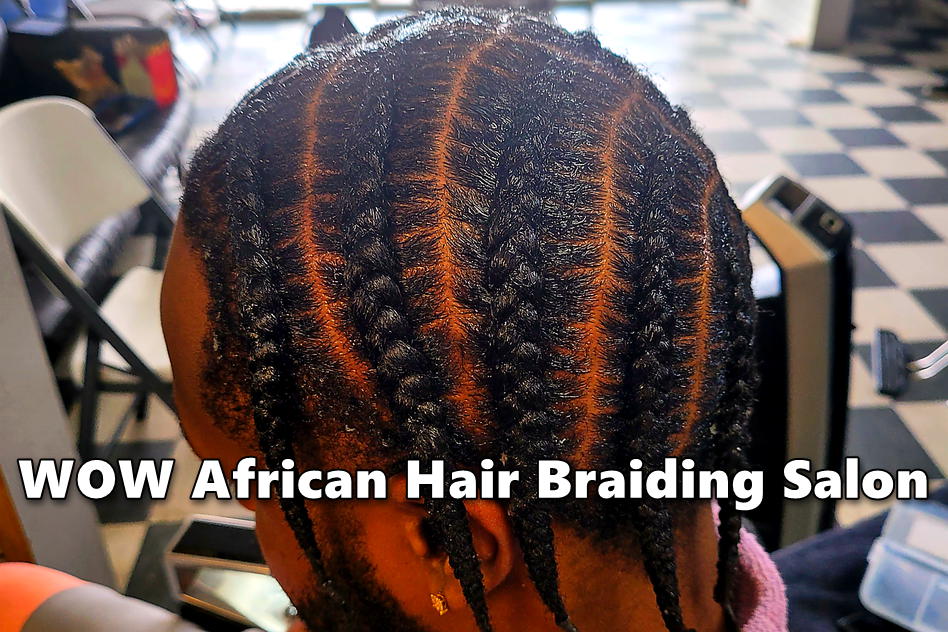 The transatlantic slave trade and subsequent colonialism forced displacement, yet communities clung tenaciously to their cultural practices. Braiding, for many enslaved Africans, became both a nostalgic remembrance of their heritage and a form of subtle resistance. During slavery, keeping hair in complex braids provided practical protection from the elements and lice, offered anonymity in unfamiliar settings, and served as coded language among the enslaved. Figures like Sojourner Truth and Harriet Tubman often kept their hair tightly braided for these very reasons. The loss of freedom stripped away other aspects of identity, but braiding remained a tangible link to the past and a way to assert dignity.
Beyond Ornamentation: Spiritual and Symbolic Meanings
 Beyond practicality and coded messages, braids held deep spiritual and symbolic significance. In many African cultures, hair was considered the body’s map, with braiding stimulating specific areas corresponding to different body parts or spiritual centers. Certain patterns were believed to bring protection, attract positive energy, or even influence fertility. These beliefs persisted and evolved within the African Diaspora. For many, braiding remains a spiritual practice, linking the individual to their ancestors, their heritage, and to the divine. The precision and focus required in braiding can also be seen as a meditative and contemplative act.
Modern Reclamation and Evolution
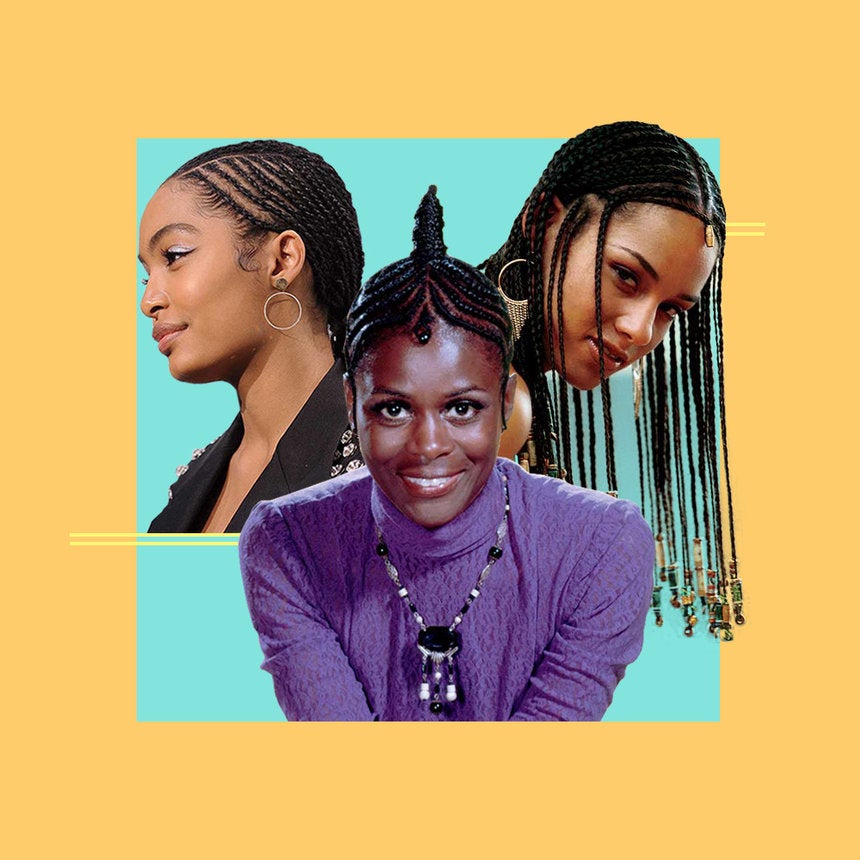 In the contemporary era, braiding has experienced a powerful reclamation. The Natural Hair Movement, while embracing afro-textured hair in all its forms, also celebrates the history and skill embedded in braiding. Styles like box braids, intricate Fulani designs, and modern variations on classic cornrows showcase not only technical prowess but also a deep cultural pride. Figures like the Duchess of Sussex, wearing elaborate braided updos designed by Jason Kueble, brought intricate braids back into mainstream visibility, highlighting the sophisticated aesthetic and cultural depth of these styles. Today’s braiders are modern artists, carrying forward ancient techniques while creating entirely new forms that speak to the ongoing evolution of Black identity.
An Enduring Cultural Narrative
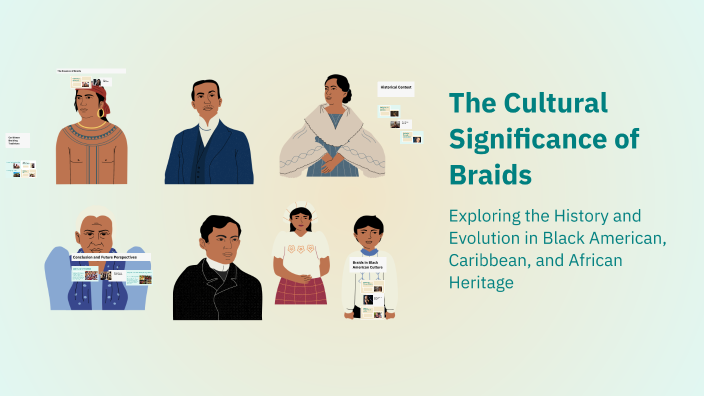 The cultural significance of braids in Black history is an enduring narrative. From ancient maps of identity to symbols of resilience, from spiritual conduits to contemporary fashion statements, braiding remains a vital and dynamic art form. It connects individuals across generations, knitting together a shared heritage while allowing for individual expression. The intricate patterns woven into hair continue to tell stories, speak volumes, and affirm identity long after words can capture their depth.