

The flattop fade isn’t just a hairstyle—it’s a statement. A bold declaration of rebellion wrapped in sharp lines and disciplined edges, it bridges the gap between the structured precision of military cuts and the untamed spirit of punk rock. This isn’t just hair; it’s attitude, identity, and a nod to a time when music and fashion collided to challenge the status quo. The flattop fade carries the weight of history, yet it remains timeless, adapting effortlessly from the gritty streets of the 1970s to the modern-day stages where punk’s legacy still resonates.
The Vintage Punk Aesthetic: Faded Patterns and Textured Rebellion
 There’s something inherently nostalgic about the visual language of punk—faded patterns, worn textures, and a sense of decay that feels intentional. The flattop fade, when paired with this aesthetic, becomes more than a haircut; it’s a canvas for self-expression. The contrast between the sharp, clean lines of the fade and the organic, distressed elements of vintage punk creates a visual tension that’s impossible to ignore. It’s a reminder that rebellion doesn’t have to be loud to be powerful; sometimes, it’s the quiet defiance of a well-placed fade that speaks volumes.
Punk Rock Icons: The Hairstyles That Defined a Movement
 The punk movement wasn’t just about music—it was a full-body rebellion, and hairstyles were at the forefront. From the towering mohawks of the Sex Pistols to the sleek, angular fades of the Ramones, punk hairstyles were a form of armor. The flattop fade, with its military precision and undeniable edge, fits seamlessly into this lineage. It’s a cut that commands attention without screaming for it, a subtle nod to the discipline of structure while still embracing the chaos of punk’s ethos. When you see a flattop fade today, you’re not just looking at a hairstyle—you’re seeing a piece of history.
Cyberpunk Meets Classic Punk: The Evolution of the Fade
 Punk has never been static, and neither has the flattop fade. As fashion evolves, so does this iconic cut, blending seamlessly with modern subcultures like cyberpunk. The result? A fusion of retro rebellion and futuristic edge. The flattop fade, when styled with cyberpunk-inspired clothing—think dark, metallic fabrics and asymmetrical designs—takes on a new life. It’s no longer just a nod to the past; it’s a bridge to the future, proving that punk’s spirit is as adaptable as it is enduring. The clean lines of the fade contrast with the chaotic, layered textures of cyberpunk, creating a look that’s both familiar and fresh.
The Flattop Fade as a Timeless Comeback: Why Retro Hairstyles Never Die
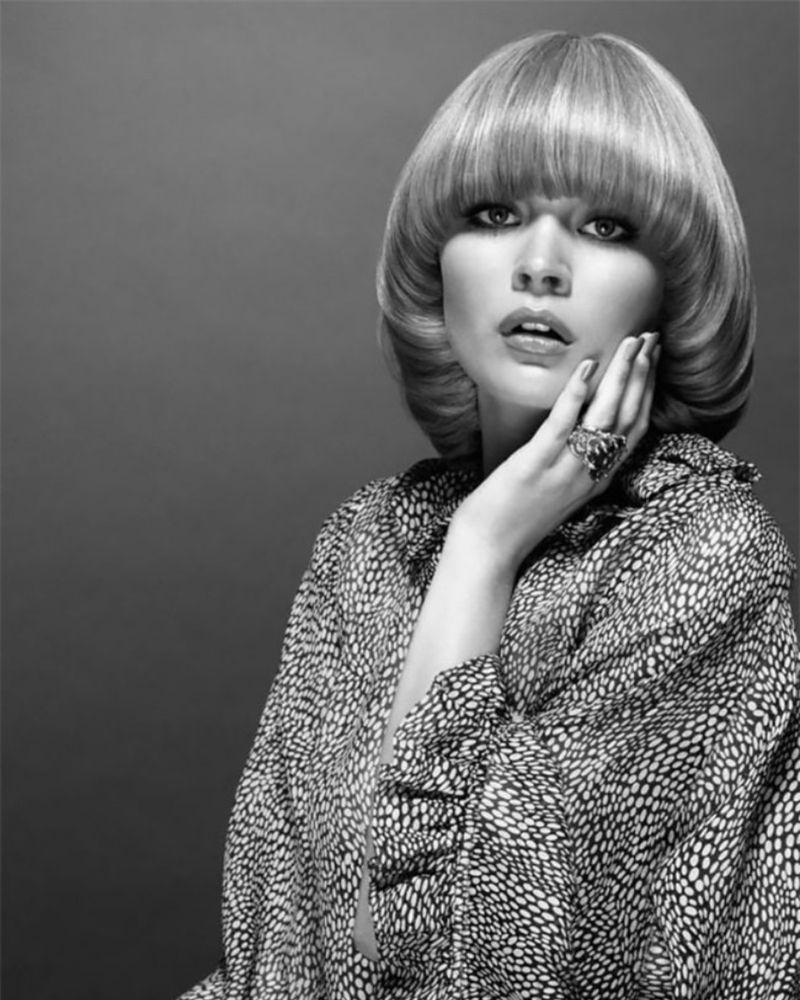 Retro hairstyles have a way of resurfacing, and the flattop fade is no exception. There’s a reason why trends from decades past keep making comebacks—they carry stories, emotions, and a sense of nostalgia that resonates across generations. The flattop fade, with its roots in both military precision and punk rebellion, taps into something universal: the desire to stand out while still belonging. It’s a cut that’s versatile enough for the office yet bold enough for the stage. Whether it’s the 70s revival or the modern streetwear scene, the flattop fade remains a staple, proving that some styles are too iconic to stay buried in the past.
Punk-Mesh Fashion: Where the Fade Meets Edgy Style
 Fashion is all about layering, and the flattop fade is the perfect foundation for an edgy, punk-inspired wardrobe. Pair it with a mesh top—torn, distressed, and layered—and you’ve got a look that’s equal parts rebellious and refined. The mesh top, with its raw edges and exposed skin, contrasts beautifully with the structured, clean lines of the fade. It’s a visual metaphor for punk’s duality: controlled chaos. This combination isn’t just about aesthetics; it’s about attitude. It’s the kind of look that turns heads, sparks conversations, and makes a statement without uttering a word. The flattop fade, when styled with punk-mesh fashion, becomes more than a hairstyle—it’s a lifestyle.