
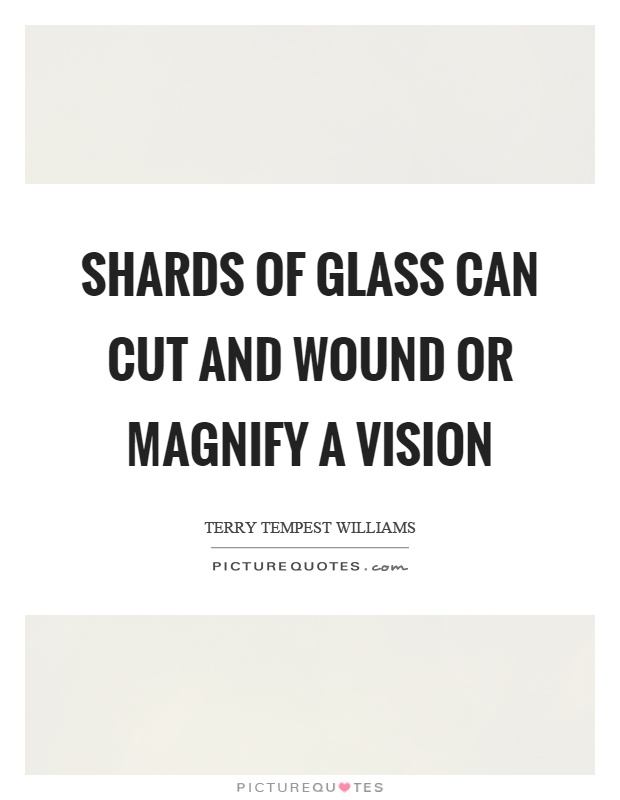
What if the sharpest edge you could wield wasn’t forged from steel, but born from the shards of your own reflection? Glass doesn’t just break—it cuts, it slices, it leaves behind a trail of glittering evidence that something once whole has now been reframed. In a world that often rewards polished surfaces and curated smiles, the idea of turning your own fragility into a weapon of quiet defiance feels almost rebellious. It’s not about shattering for the sake of destruction; it’s about reclaiming the narrative, one jagged piece at a time. What if the real strength lies not in avoiding the cracks, but in learning to wield them?
When Fists Meet Glass: The Art of Controlled Destruction
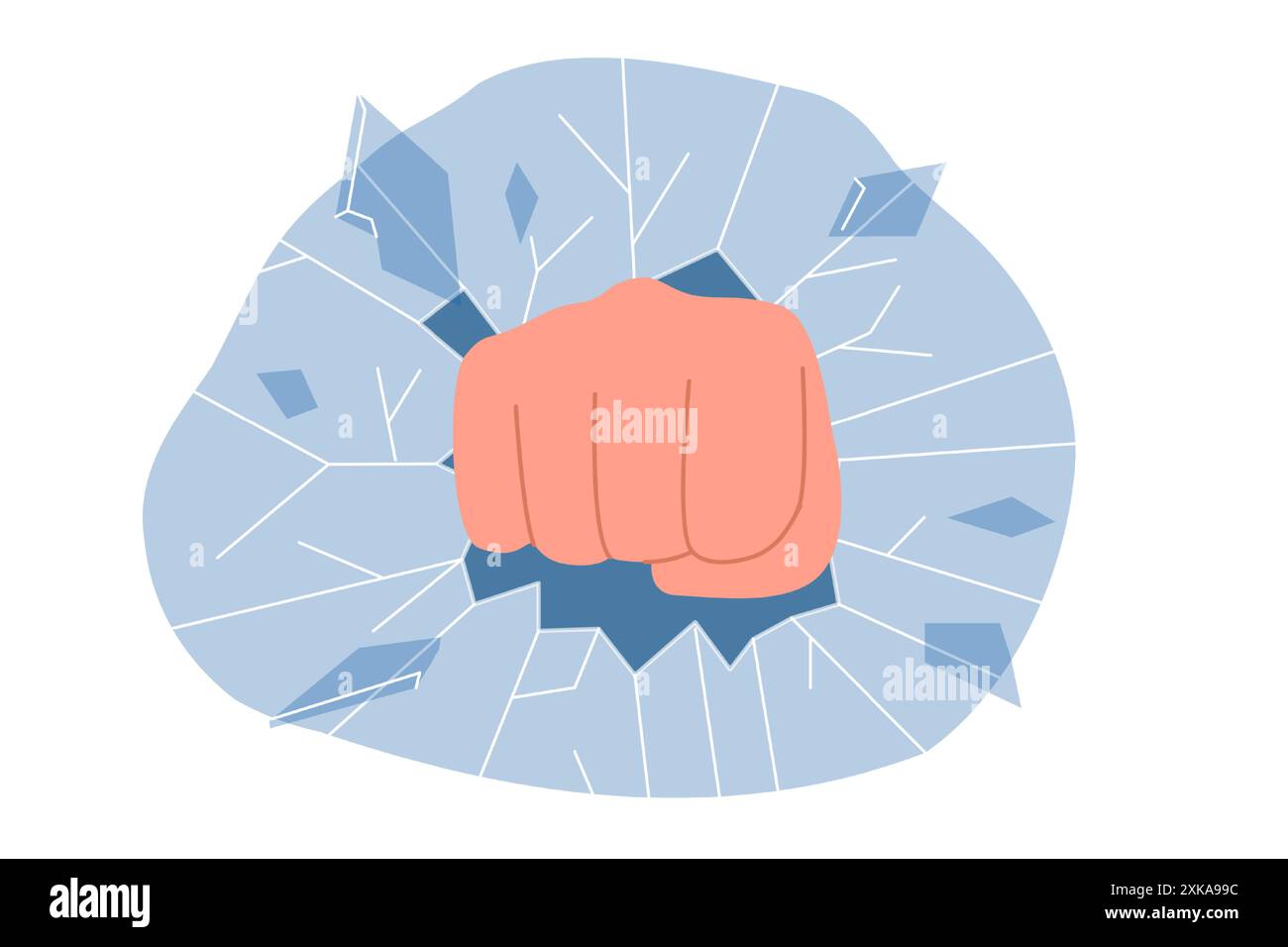 There’s something primal about the moment a fist connects with glass—an instant where raw force meets unyielding resistance, and the outcome is never in doubt. The glass doesn’t fight back; it yields, but not without consequence. Each shard that scatters becomes a testament to the collision, a reminder that even the most fragile materials can leave a mark when met with intention. This isn’t just about aggression; it’s about precision, about knowing exactly where to strike to create the most impact. The image captures that split second where control and chaos dance in perfect, albeit destructive, harmony.
The Mirror’s Revenge: Fragments That Reflect More Than Just Light
 Mirrors have long been symbols of truth, but what happens when that truth is fractured? The broken mirror doesn’t just reflect your image—it distorts it, multiplies it, forces you to confront not one reflection, but many. Each shard becomes a tiny, imperfect lens, offering a glimpse of a self that’s no longer whole but undeniably present. The act of breaking a mirror isn’t just an accident; it’s a deliberate choice to see the world—and yourself—in pieces. And sometimes, those pieces reveal a clarity that the unbroken surface never could. The challenge? Learning to navigate the reflections without cutting yourself on the edges.
From Shards to Strength: The Bullet’s Mark as a Statement
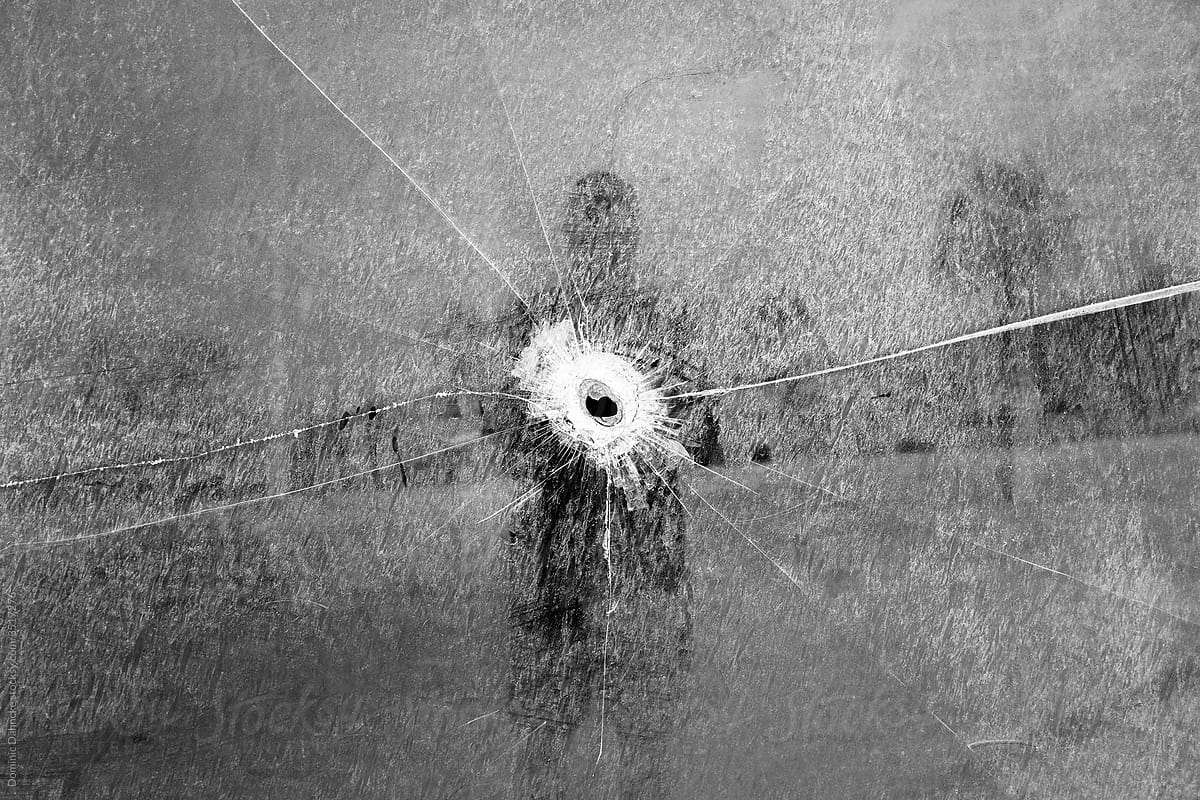 Imagine posing for a portrait where the backdrop isn’t a plain wall, but a canvas of shattered glass, each crack a story, each hole a memory. The image of a bullet-riddled glass pane isn’t just a visual spectacle—it’s a declaration. It says, “I’ve been through something. I’ve been tested. And I’m still here.” The glass doesn’t just survive the impact; it becomes a part of the narrative, a physical manifestation of resilience. There’s a quiet defiance in the way the shards hold their shape despite the violence they’ve endured. It’s a reminder that even when life leaves its marks, you can choose to frame them as art rather than scars.
Mindset Over Material: The Glass That Cuts Back
 What if the greatest armor you could wear wasn’t made of steel, but of the very thing that’s supposed to be fragile? The idea of turning your brokenness into a tool for cutting through the noise is intoxicating. It’s not about seeking revenge; it’s about refusing to be diminished by the cracks. When someone tries to break you, the response isn’t to crumble—it’s to sharpen the edges. The quote “Be like glass: if they break you, cut them” isn’t a call for violence; it’s a challenge to redefine strength. It’s about transforming the pain of being shattered into the power of leaving a mark. Respect isn’t given; it’s earned, and sometimes, the most effective way to earn it is by refusing to stay broken.