
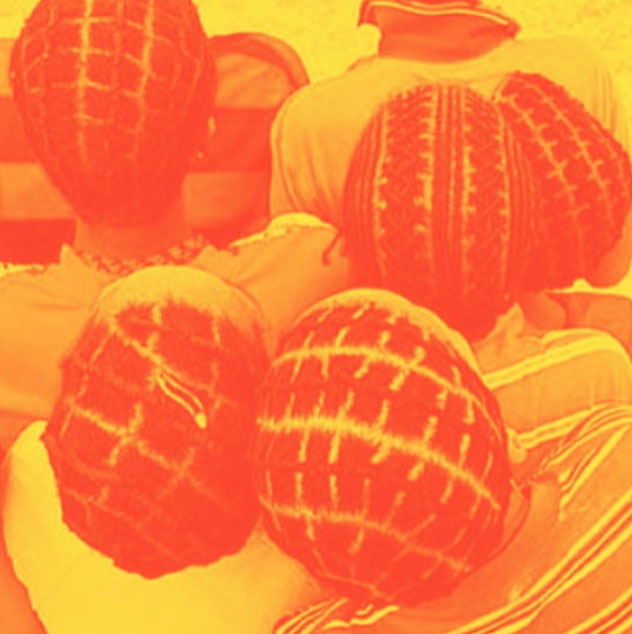
The cascade of hair has often been more than a mere frizz of follicle-formed silk; it’s a river that flows with the currents of identity, oppression, reverence, and resilience. Tracing the history of black hair is akin to holding up a shattered mirror to humanity’s complex relationship with cultural expression and appropriation – a story written in curls, straight locks, twists, braids, and locs that spans continents, continents of thought, and oceans of time.
A Living Chronicle: The Hairpin Connection
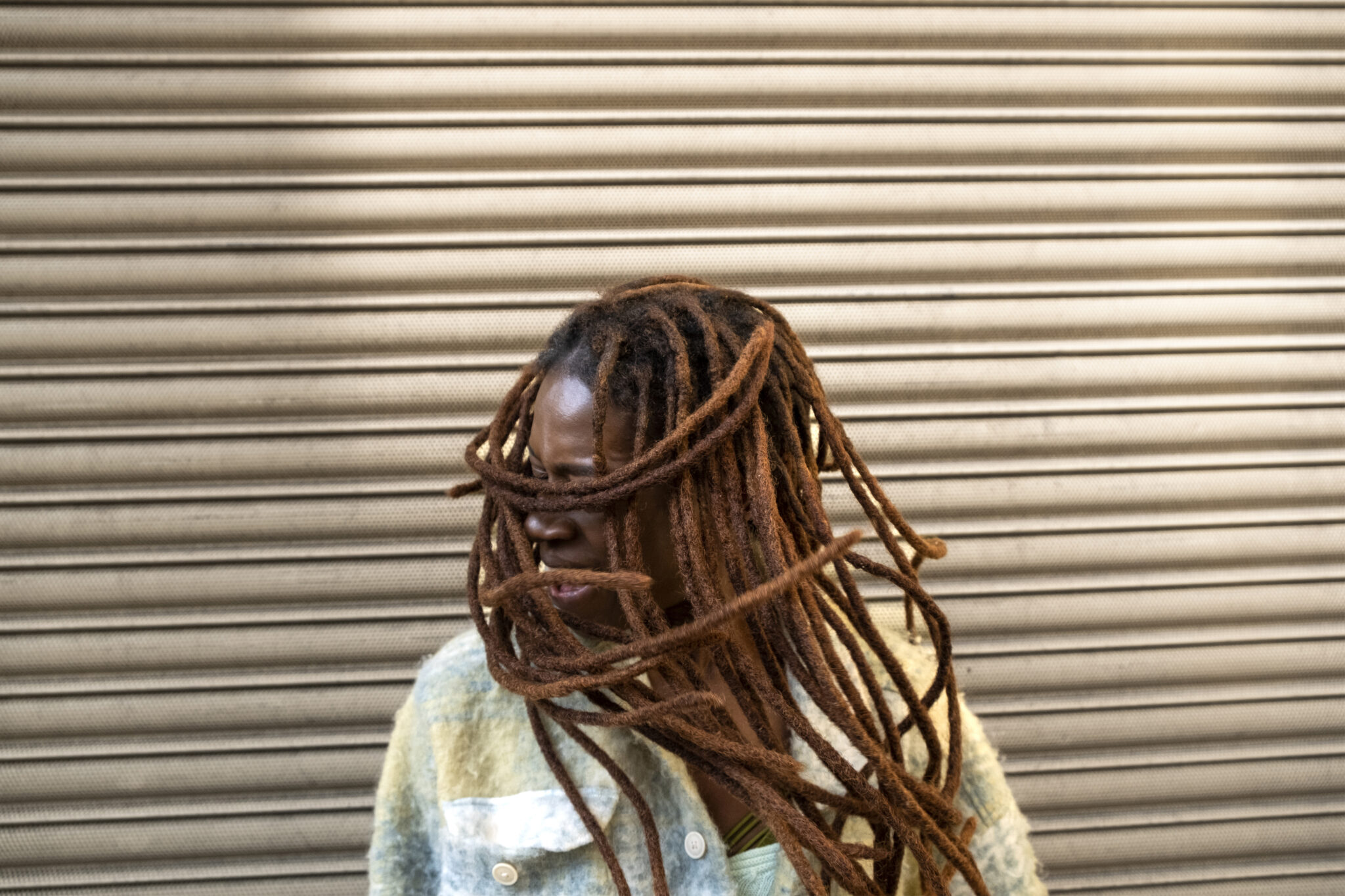 Each intricate twist, tight coil, flowing cascade, and precise cornrow is not just hair; it’s a living chronicle, etched in strands thicker than time itself. This diversity in texture, from the silkiness of relaxed strands to the sharp definition of tightly coiled locs, is a testament to adaptation, migration, and the sheer genius of natural variation within the black diaspora. These forms, often met with awe or judgment depending on context and era, speak volumes before uttering a single word. They are whispers of ancient traditions, coded messages of belonging, intricate braids of history spun from sun-drenched memories and generations of shared struggle.
Keys to Understanding: Locks of the Past
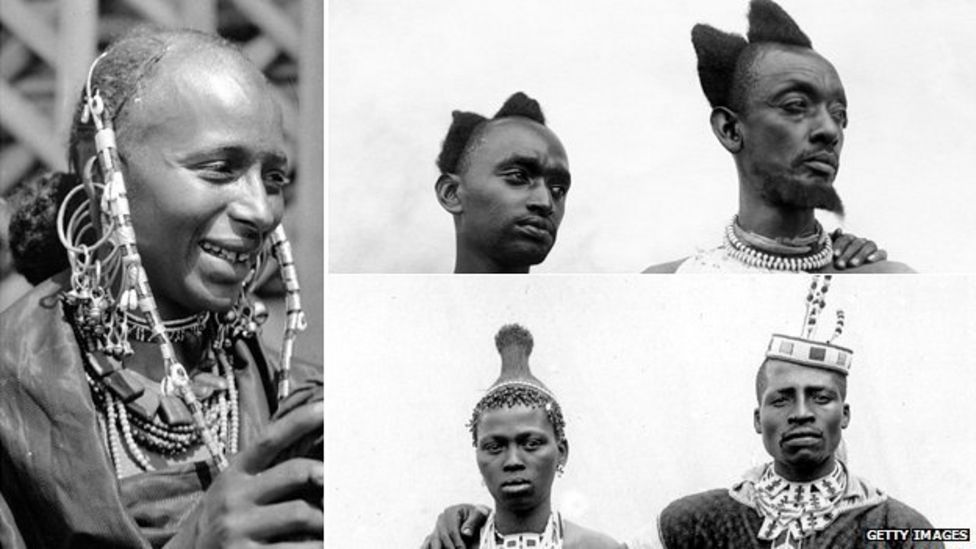 When we delve into the textures and styles associated with Black hair, we are not merely examining a beauty standard; we are unearthing archaeological strata of global history. The deep, curly coils reminiscent of ancient Kingdoms like Dahomey or Benin were not whimsy; they represented intricate cultural signifiers – status, marital standing, community affiliation, or even spiritual connection. Understanding the weight of these historical hairstyles is like deciphering an ancient script, recognizing that the admiration or condemnation we project onto current strands often echoes echoes of past power dynamics, resistance, and the struggle for visibility.
A Canvas for Culture: Beauty and Biology
 The interplay between scientific understanding and cultural appreciation remains a fascinating frontier. Debunking myths about hair porosity and texture isn’t just factual clarification; it’s a step towards respectful interaction. Black hair exhibits unique growth patterns, density, and responses to manipulation – characteristics shaped by evolutionary forces and environmental adaptation. Celebrating the natural form, whether embracing the power of a well-manicured curl or the serene presence of natural textures free from harsh chemicals, shifts the narrative from merely conforming to beauty standards imposed by outsiders to honoring the specific biology and heritage that defines this diverse community. It’s about looking at a strand not with judgment but with curiosity, much like examining a complex biological system worthy of admiration and care.
Unearthing the Roots: Hairstyles Through Time Periods
 Black women’s hairstyles are not static; they are living timelines, evolving from the intricate cornrows and puffballs of historical narratives often depicted in period artwork to the bold afro solidarities of the Civil Rights era. Each shift in the dominant style reflects not only aesthetic choices but sociopolitical currents, economic possibilities, and shifts in cultural self-perception. Examining these stylistic evolutions – from the carefully coiffed updos reminiscent of figures like Queen Nzingha to the liberation anthem of the natural look – reveals a constant negotiation of identity, a reclaiming of beauty on one’s own terms, and a visual dialogue charting the course through various periods of Black existence, challenging stereotypes and affirming agency at every turn.
Iconic Cuts: Weaving the Fabric of Culture
 Some hairstyles transcend mere adornment; they become icons, forming an almost geometric pattern in the broader cultural conversation. A single strand, a single lock, can echo throughout popular consciousness, influencing fashion outside Black communities and being adopted into mainstream narratives—a phenomenon often mirroring appreciation but sometimes blurring into appropriation. These iconic styles serve as touchstones, powerful symbols encapsulating identity, rebellion, or celebration, woven directly into the fabric of societal understanding. Their enduring visual impact reminds us that hairstyle, like language or music, is one of the most direct expressions of cultural identity, leaving an indelible stamp that echoes long after the moment it is worn has passed.