
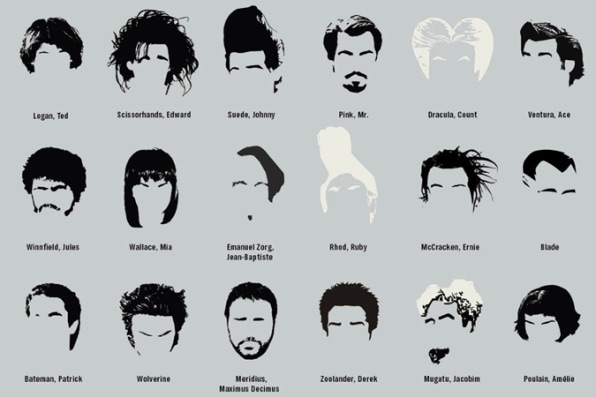
From the intricate braiding of ancient Egypt to the choppy styles of Swinging London, the evolution of human hair has reflected cultural shifts, technological innovations, and sheer creative expression. Uncover the story behind the scissors, the shears, and the scissors: a journey through the fascinating history of haircuts.
Threads of Royalty: Ancient Egypt
 Long before salon chairs became a staple of modern culture, Egyptians were crafting sophisticated styles. Both Pharaohs and commoners adorned their locks with intricate braids, decorative bindings, and often, wigs made from real human hair, imported wool, or expensive imported hair. These styles signified social status, religious devotion, and artistic flair, setting trends that, while simple by today’s standards, represented the pinnacle of personal grooming in one of antiquity’s most advanced civilizations.
Celestial Cuts: Greece and Rome
 The Greeks and Romans built upon the Egyptian foundation, transforming hair into a canvas for political statement and cultural identity. Spartans, known for their short, practical “skotoma” or military cut, contrasted sharply with the elaborate styles of figures like Julius Caesar or Cleopasta, often styled into towering, sculpted wigs or adorned with laurel wreaths signifying victory or office. Roman barber-surgeons were highly skilled, crafting complex braids, trimming facial hair with exceptional precision (the famous Roman shave), and even pioneering early plastic surgery techniques. Hair was not just decorative; it was integral to the persona and presentation of the individual.
Bronze and Barbers: Medieval Europe
 Fast forward through the centuries, and the Middle Ages presented a world of rich texture and complex construction. Long hair, particularly for noblewomen, was often adorned with countless pins, jewels, and intricate braids, creating elaborate headframes that could resemble miniature thrones. Men’s styles were frequently tied to their station, often practical or closely cropped. However, the image of the barber with scissors remained a fixture in society; barbers were not just for haircuts but also skilled surgeons, performing everything from tooth extractions (“pulled teeth”) to bloodletting, holding immense societal power and importance until the specialized physician emerged later.
A New Aesthetics: The Roaring Twenties
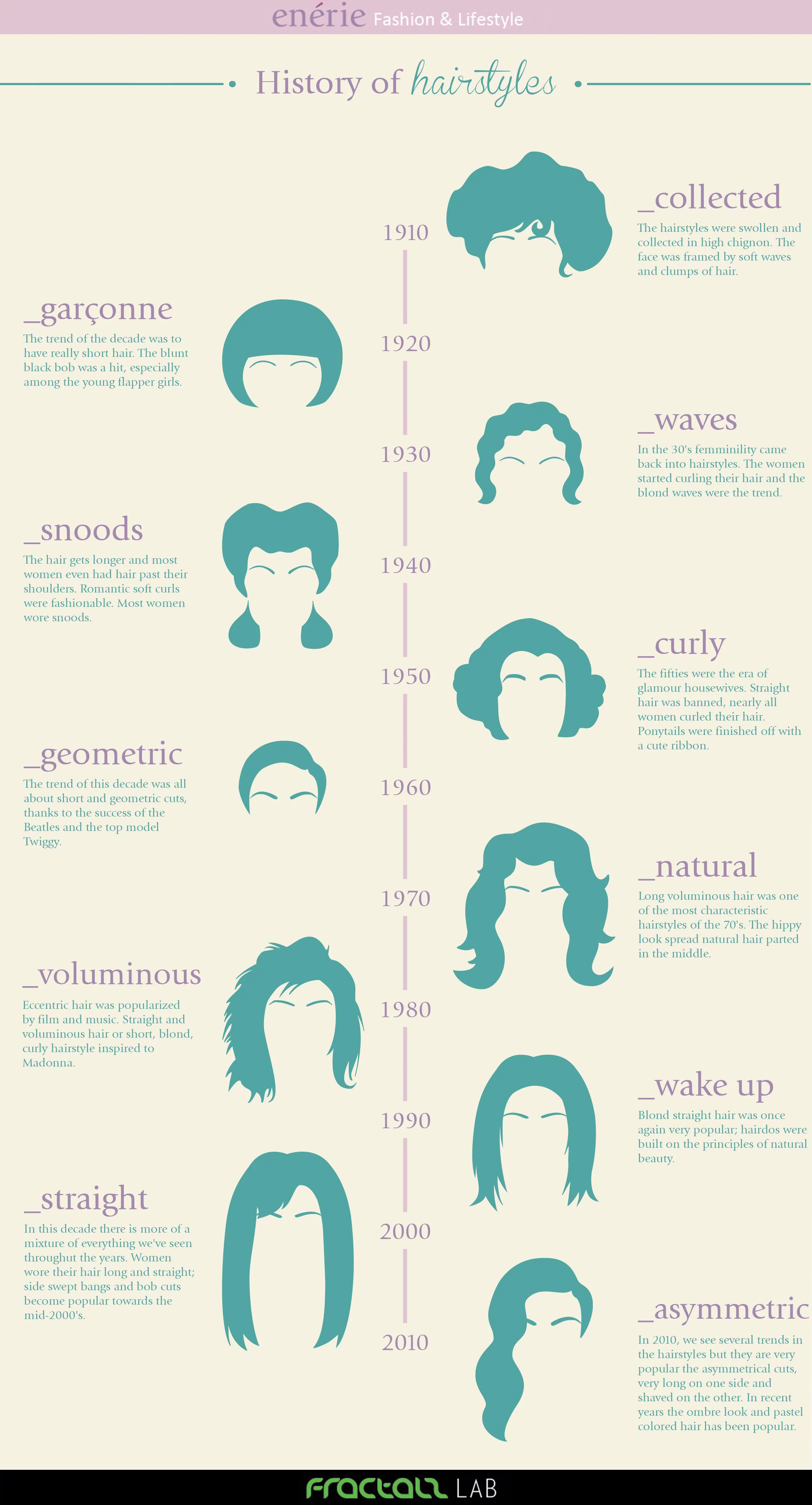
 The early 20th century heralded profound transformations, accelerated by the liberation experienced during and after World War I, the rise of cinema, and consumerism. The Gibson Girl look of the 1920s, dominated by the iconic bob – a short, chic cut exposing the ears and neck – ushered in an era of radical change. Styles like the Sheik (long, flowing hair accentuated by accessories), the victory roll (a high, tapered knot on top), and men’s styles like the flattop and the slicked-back hair reflected shifting gender roles and aspirational modernism. These weren’t just personal choices; they were emblematic of a burgeoning global youth culture fueled by unprecedented social freedom and new media.