
In the ever-evolving world of hairstyles, few cuts have sparked as much debate—or as much curiosity—as the mallet. A bold fusion of the mullet’s rebellious spirit and the polished elegance of a bob, the mallet is carving out its place as a statement piece for those ready to defy convention. It’s not just a haircut; it’s a conversation starter, a sartorial rebellion wrapped in soft layers and effortless flow. For anyone tired of the same old styles, the mallet promises a fresh perspective—one that challenges norms while keeping things undeniably chic.
When Tradition Meets Rebellion: The Birth of the Mallet
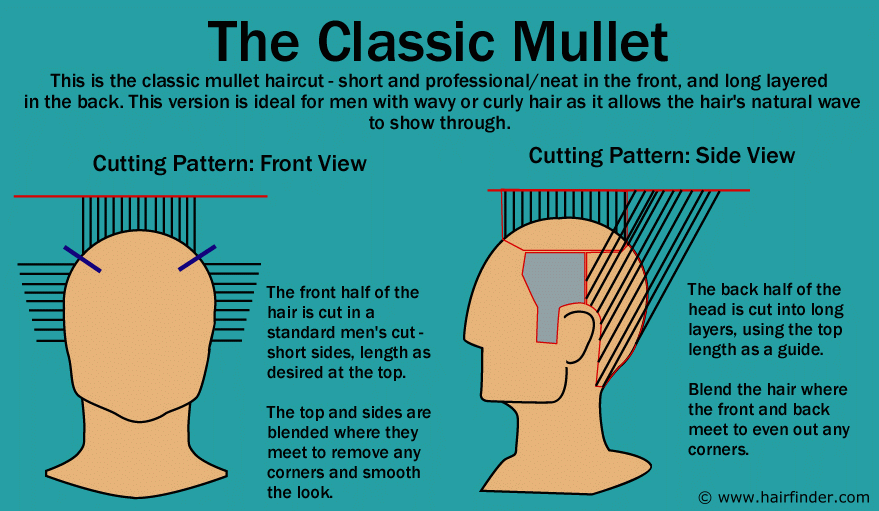
 The mallet isn’t just a mullet with a gentler name—it’s a reinvention. While the mullet of the ‘80s was all about sharp angles and high drama, the mallet softens those edges with face-framing layers and a more manageable silhouette. It’s the perfect compromise for those who love the mullet’s audacity but crave something wearable for everyday life. Think of it as the mullet’s sophisticated cousin: still bold, but with a touch of refinement that makes it accessible to a wider audience. This hybrid cut is proof that even the most rebellious ideas can evolve into something timeless.
Why the Mallet is More Than Just a Trend
 The mallet’s rise isn’t just a fleeting trend—it’s a cultural shift. In an era where individuality is celebrated, this cut offers a way to stand out without screaming for attention. Its versatility is unmatched: wear it sleek and straight for a polished look, or tousle it for a lived-in, effortless vibe. The mallet adapts to your mood, your style, and even your lifestyle, making it a practical choice for those who refuse to be boxed in by traditional beauty standards. Whether you’re a creative professional, a weekend adventurer, or someone who simply loves a good hair experiment, the mallet delivers.
The Science Behind the Layers: How to Rock the Mallet
 Achieving the perfect mallet is all about balance. The key lies in the layers: shorter at the crown to add volume and movement, gradually lengthening toward the ends for that signature “bob-meets-mullet” effect. The result? A cut that’s dynamic yet controlled, playful yet put-together. To maintain its shape, regular trims are essential—think every 6 to 8 weeks—to keep those layers crisp and the texture fresh. And don’t be afraid to play with styling products: a bit of sea salt spray can enhance the tousled texture, while a flat iron can smooth it out for a more polished finish. The mallet is as low-maintenance or high-effort as you want it to be.
From the Salon to the Streets: The Mallet’s Growing Influence
 What started as a niche experiment in salons has quickly become a global phenomenon. Social media has played a huge role in the mallet’s rise, with barbers and clients alike sharing their transformations online. From Dublin to Miami, stylists are putting their own spin on the cut, proving that the mallet is more than just a passing fad—it’s a movement. Celebrities and influencers have also jumped on board, further cementing its place in the zeitgeist. The mallet’s ability to bridge the gap between edgy and elegant has made it a favorite among those who want to make a statement without sacrificing sophistication.
Breaking the Rules: Who Should Try the Mallet?
 The mallet isn’t for the faint of heart, but it’s not as extreme as it might seem. If you’ve ever admired the mullet’s drama but hesitated to commit, this could be your perfect middle ground. It’s ideal for those with medium to long hair who want to experiment with texture and movement. Face shapes that suit layered cuts—like oval or heart—will particularly shine with a mallet. And while it’s often associated with women, the mallet is unisex, offering a bold look for anyone willing to embrace it. The only real rule? Confidence. The mallet rewards those who wear it with pride, turning heads and sparking conversations wherever you go.