
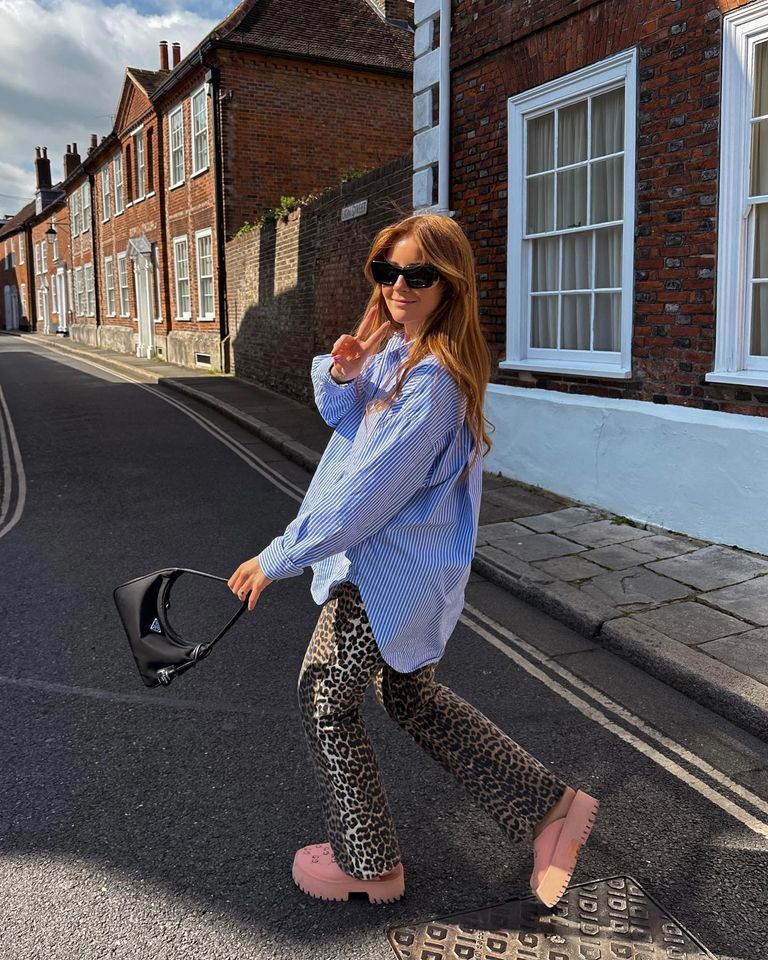
It’s an odd phenomenon, isn’t it? We often find ourselves captivated by TikTok trends from years past, revisiting videos and hairstyles that dominated the platform long before the current wave of viral madness swept through. Sometimes, these older trends seem almost forgotten curiosities, strange precursors to the styles du jour. Yet, there’s a persistent allure, a fascination with what came before in the digital hair landscape. When we look towards the bold predictions of the 2026 edition, these past trends might offer more than just nostalgia; they could provide clues about the cyclical nature of online culture, hinting at reasons why certain hair styles continue to capture our collective imagination, years after they faded from the algorithm’s peak. The platform’s ever-evolving nature suggests that while new trends will undoubtedly emerge, revisiting past viral hair styles might also remain a key part of TikTok’s ongoing, ever-shifting conversation about style and self-expression.
Double Duffel Bag
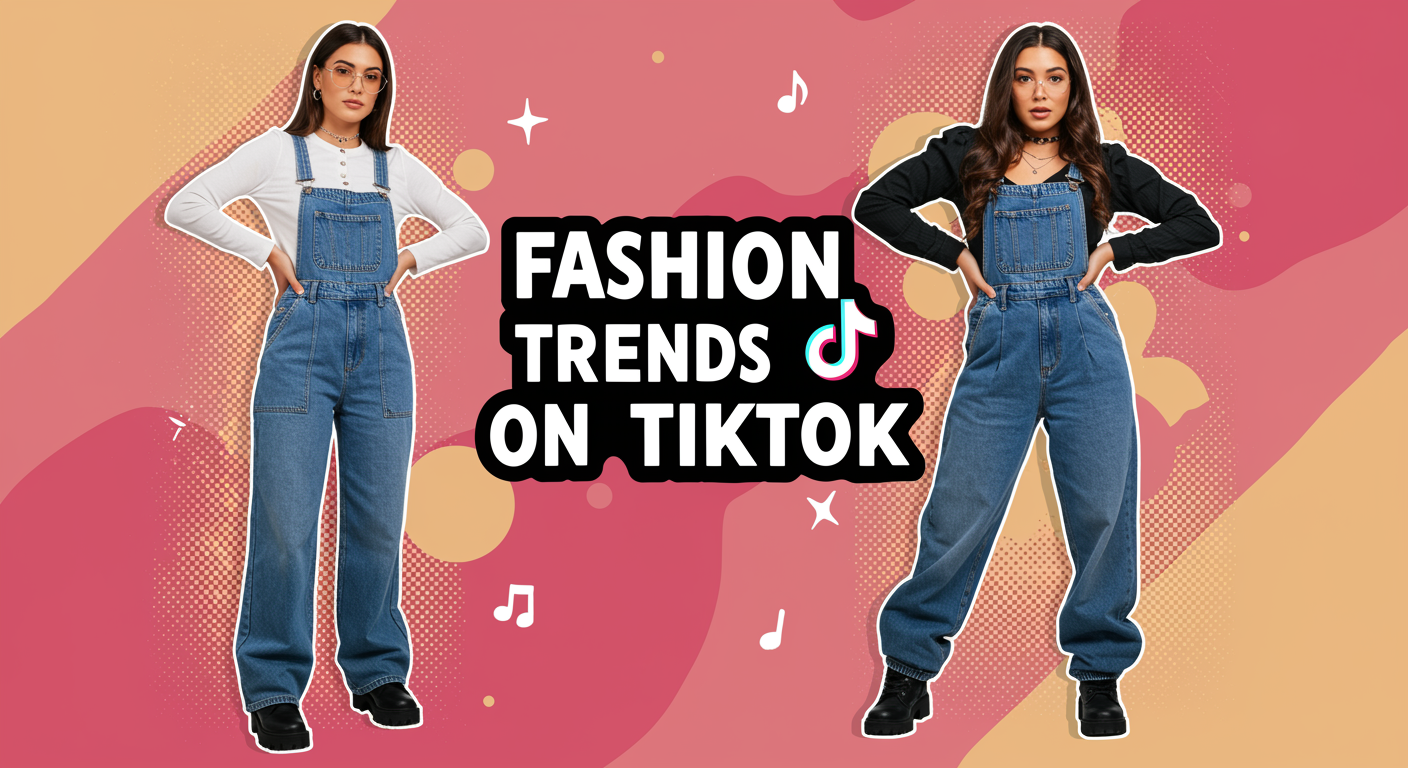 The “Double Duffel Bag,” a hairstyle gaining traction in early 2020, became a symbolic gesture on the platform, often representing confidence or specific aesthetic preferences within communities on TikTok at that time. While perhaps its peak was fleeting, the style’s distinctiveness captured attention, demonstrating how specific silhouettes and bold statements can quickly translate into viral phenomena on social media, laying groundwork perhaps for future experimental styles in years like 2026.
Laminar Parts and Messy Bun Evolution
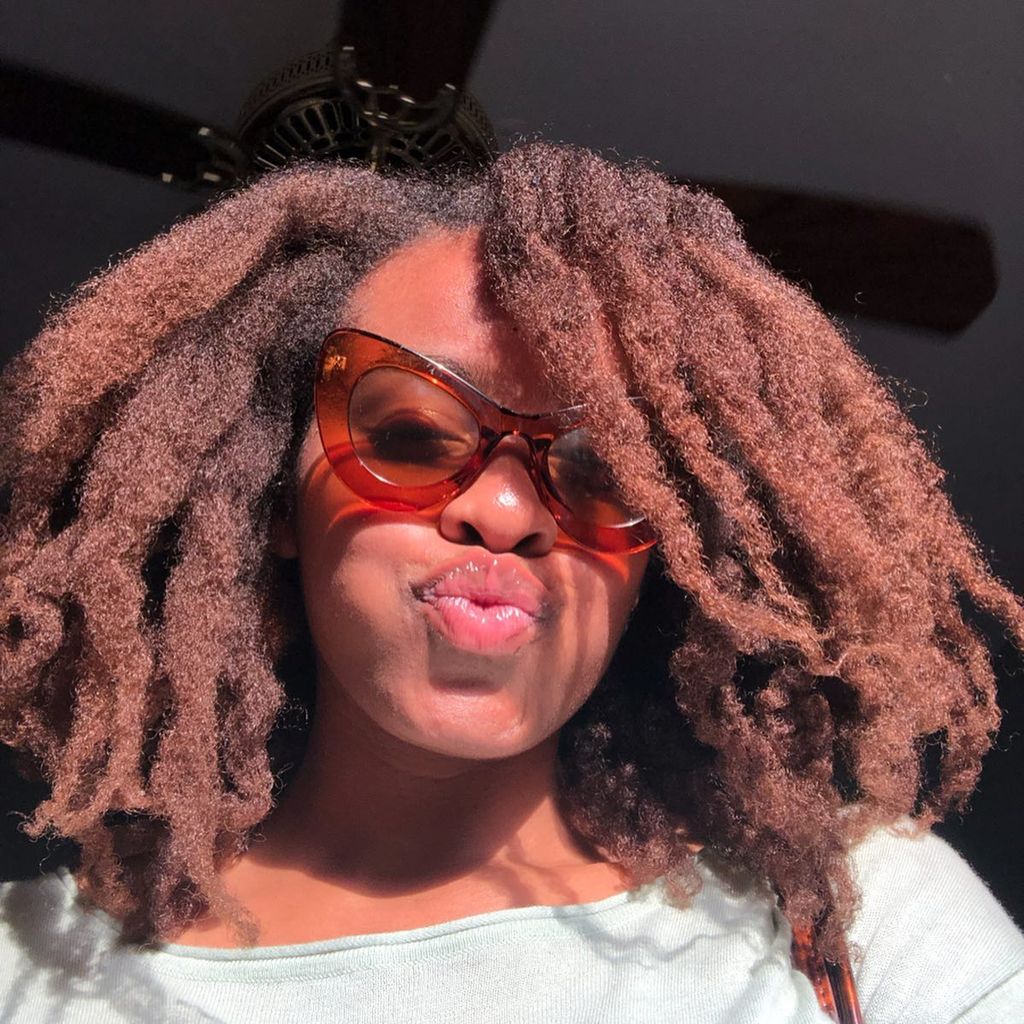 Moving forward slightly, mid-2020 saw the rise and refinement of intricate part styles, sometimes termed “Laminar Parts,” showcasing a shift towards more sophisticated and textured looks discussed on TikTok. Simultaneously, the standard “Messy Bun” evolved into a highly stylized and adaptable form, frequently manipulated with clips, bands, or extensions for creative video effects. This period highlighted a growing appreciation for nuanced hairstyles beyond simpler, more uniform styles, indicating TikTok’s role in elevating complex hair artistry into mainstream digital fascination.
The Summer Heat Styling Angle: Fierce Locs and Curls

Contemporary Interpretation: The Elevated High Bun
 Fast forward to 2023, and the “Elevated High Bun” emerged as a signature TikTok hairstyle, frequently featured in videos demanding attention or pushing creative boundaries. What made it stand out wasn’t just its placement, but the meticulous styling, innovative use of accessorizing (think jewels, feathers, unique clips), and the slicking or molding of surrounding hair to create a polished, sometimes futuristic silhouette. This demonstrates the platform’s constant refinement of even classic styles, adapting them with modern tools and creative prowess to create new forms of digital fascination relevant to the conversation anticipated for the 2026 edition.
Looking Backwards, Gazing Forward
 Reflecting on these snapshots from 2020, 2022, and 2023 provides more than just a timeline; it offers insight into the platform’s DNA. TikTok consistently generates trends that are visually striking, often technically complex or simply bold declarations of individuality. The constant revisiting of past viral hair styles might stem from their historical significance within the platform’s culture, representing pivotal moments in digital hair evolution. Furthermore, the nostalgia angle connects viewers to a shared experience, a point of reference within a rapidly changing digital space. As we anticipate the predictions for 2026, understanding this fascination with the past helps decipher potential drivers for future trends: they might emerge from a cyclical return to foundational styles, reinterpretations sparked by nostalgia, or the continuous search for novel visual language inspired by, and a return to, previous waves of digital creativity.