

There’s something undeniably magnetic about effortless beach waves—the way they catch the light, the soft bounce of each curl, the hint of sun-kissed texture that makes every glance feel like a vacation. It’s not just about the look; it’s about the feeling. Beach waves embody a carefree elegance, a style that whispers of lazy afternoons by the shore rather than rigid salon appointments. Yet, despite their popularity, many people struggle to achieve that perfect, natural-looking texture at home. The secret often lies in the cut—not just the length, but the shape and layers that allow waves to form effortlessly. Whether your hair is shoulder-length or just past your chin, the right cut can be the foundation for waves that look like they were made by the ocean itself.
Why the Right Cut Makes All the Difference
 Medium-length hair is often considered the sweet spot for beach waves because it offers enough length to create movement while still being manageable. The key here is layers—subtle, face-framing layers that add dimension without sacrificing volume. A blunt cut might look sleek, but it lacks the texture needed for waves to hold their shape. Instead, opt for a cut with long layers that start around the chin or collarbone. This creates a cascading effect, allowing each wave to flow into the next without looking forced. The result? A look that’s polished yet undone, as if you’ve just stepped out of the ocean.
The Magic of Face-Framing Layers
 Face-framing layers are the unsung heroes of effortless beach waves. These shorter pieces around the face break up the length and add softness, making the waves appear more natural. When cutting, a stylist will typically point-cut these layers to create a tapered effect, ensuring they blend seamlessly into the rest of your hair. The beauty of this technique is that it works for almost any hair type, whether your strands are fine or thick. For fine hair, these layers add volume; for thick hair, they reduce bulk. The result is a cut that not only enhances your waves but also flatters your facial features, drawing attention to your eyes and cheekbones.
Short to Shoulder-Length: The Perfect Balance
 Shoulder-length hair strikes the ideal balance between length and manageability, making it a favorite for beach waves. The challenge here is preventing the waves from looking too bulky or losing their shape. A layered cut with long, face-framing pieces is essential. The layers should be cut at an angle to encourage movement, and the ends should be texturized slightly to avoid a blunt, heavy look. This cut allows the waves to cascade naturally, with the ends curling slightly inward for a romantic touch. If you’re worried about your waves looking too uniform, ask your stylist for “piece-y” layers—these create subtle variations in length that mimic the uneven texture of real beach waves.
Creating Texture with a Texturizing Cut
 A texturizing cut is a game-changer for those who want beach waves with depth and dimension. Unlike traditional layering, texturizing involves cutting the hair at different angles to create a jagged, piece-y effect. This technique removes bulk and adds movement, making it easier for waves to form and hold their shape. The best part? It works on almost any hair type, from straight to wavy to curly. For straight hair, a texturizing cut can create the illusion of waves by breaking up the sleekness. For naturally wavy hair, it enhances the existing texture, making the waves more defined. The key is to keep the cut long enough to allow for flexibility—think shoulder-length or longer.
The Long-Layered Look for Maximum Flow
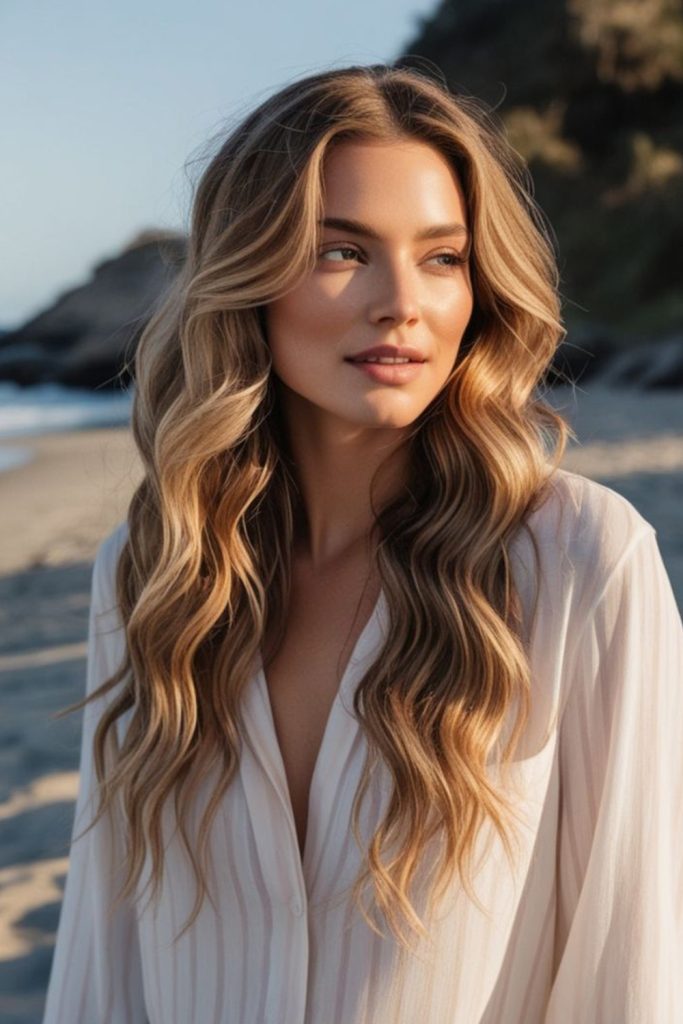 If you love the idea of waves that flow like silk, a long-layered cut is your best friend. This style features layers that start below the shoulders and extend all the way to the ends, creating a cascading effect that’s both dramatic and effortless. The layers should be cut at a slight angle to encourage movement, and the ends should be left slightly tapered to avoid a heavy, triangular shape. This cut is perfect for those with thick or coarse hair, as it reduces bulk while adding volume. For fine hair, the layers add body without weighing the strands down. The result is a head of hair that moves with every step, catching the light in a way that’s impossible to replicate with a blunt cut.