

The pompadour is more than just a hairstyle—it’s a symbol of rebellion, style, and attitude. Rooted in the rockabilly culture of the 1950s, this voluminous, slicked-back look has transcended decades, becoming a timeless emblem of cool. Whether worn by Elvis Presley, James Dean, or modern-day rockabilly enthusiasts, the pompadour commands attention and exudes confidence. Its sharp lines and dramatic height tell a story of defiance, individuality, and a love for vintage aesthetics. But why does this hairstyle continue to captivate generations? Perhaps it’s the way it blends nostalgia with a bold, unapologetic flair, or maybe it’s the way it transforms an ordinary look into something extraordinary. Whatever the reason, the pompadour remains a crown for those who dare to stand out.
The Pompadour Rockabilly: A Timeless Icon of Rebellion
 The pompadour rockabilly is the quintessential hairstyle of the 1950s, a time when music, fashion, and attitude collided to create a cultural revolution. This look isn’t just about volume—it’s about attitude. The sharp upward sweep, the meticulous styling, and the way it frames the face all contribute to an air of confidence and nonconformity. Rockabilly enthusiasts have kept this style alive, proving that true style never goes out of fashion. Whether paired with leather jackets, denim, or vintage suits, the pompadour rockabilly remains a powerful statement of identity and heritage.
Pompadour Stíl Gruaige Rockabilly: The Japanese Twist on a Classic
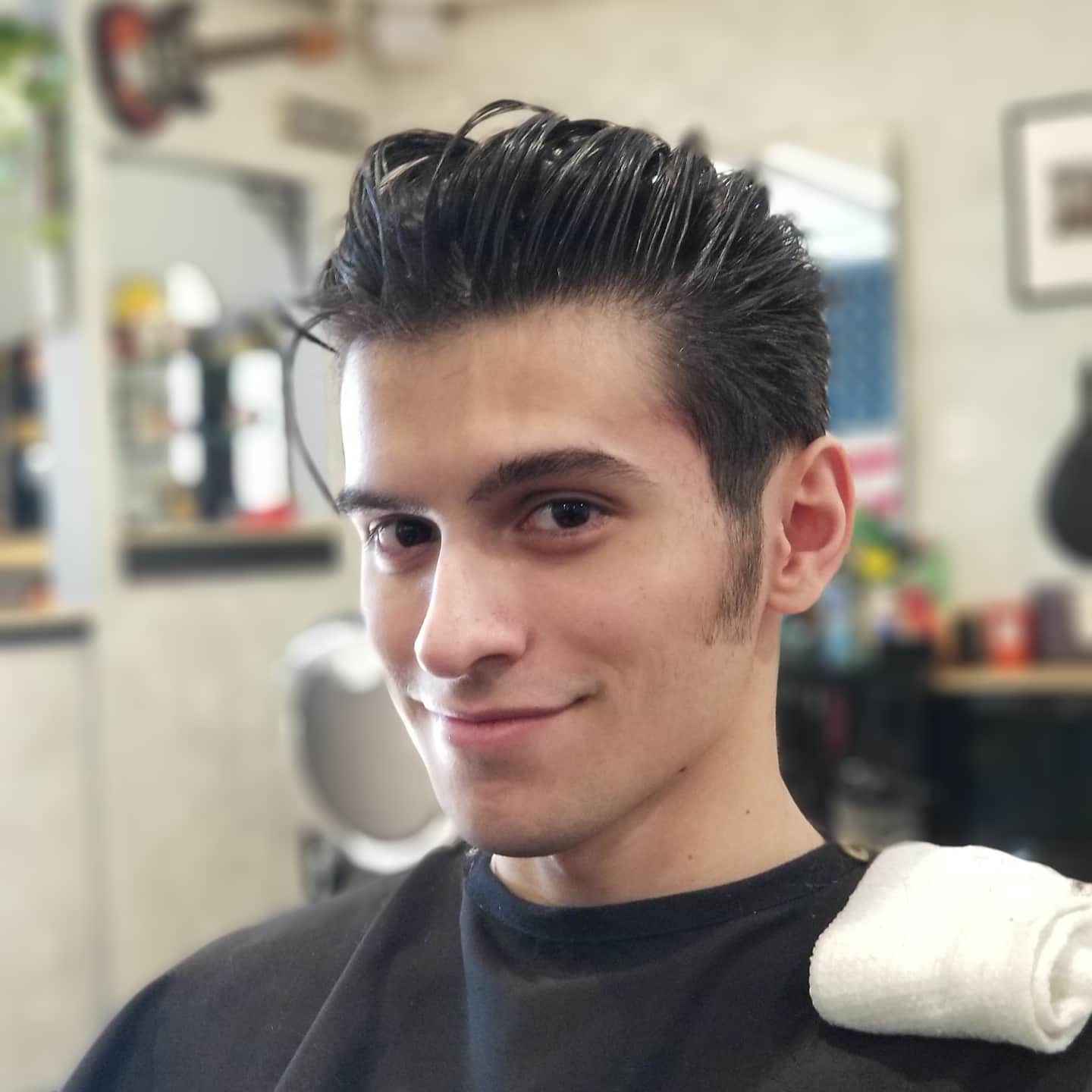 Japan has long been a hub for rockabilly culture, where enthusiasts take the pompadour to new heights—literally. The Japanese pompadour, or *stíl gruaige*, is a masterclass in precision, with hair so high and structured it could rival a skyscraper. This meticulous approach reflects the Japanese dedication to craftsmanship and artistry, turning the pompadour into a wearable work of art. The close-up shots of these styles reveal the dedication required to maintain such a look, from the perfect part to the immaculate shine. It’s a testament to how a single hairstyle can become a cultural phenomenon, transcending borders and inspiring generations.
Japanese Pompadour: Where Tradition Meets Modern Edge
 The Japanese pompadour isn’t just a hairstyle—it’s a performance. In the world of rockabilly, where music and fashion are inseparable, the pompadour becomes part of the act. Performers with these towering hairstyles command the stage, their looks as integral to their art as their music. The pompadour here is more than vintage; it’s a fusion of tradition and modernity, a way to pay homage to the past while pushing boundaries. The high contrast of the dark hair against pale skin, the sharp angles, and the sheer audacity of the style make it impossible to ignore. It’s a visual representation of the rockabilly spirit—unfiltered, unapologetic, and utterly unforgettable.
Richard Varnon – Work Zoom: King of Rockabilly
 Richard Varnon isn’t just a musician—he’s a living legend in the rockabilly world, and his pompadour is as iconic as his music. In this image, Varnon embodies the essence of rockabilly royalty, his hairstyle a crown that speaks volumes about his dedication to the genre. The pompadour here isn’t just a look; it’s a legacy. It’s the kind of style that makes you pause and take notice, a reminder that rockabilly isn’t just about the past—it’s a living, breathing culture. Varnon’s work, both on and off the stage, continues to inspire new generations of fans, proving that the pompadour is more than a hairstyle—it’s a way of life.
About The Rockabilly Hall of Fame & Museum
 The Rockabilly Hall of Fame & Museum stands as a testament to the enduring legacy of rockabilly music and culture. This institution preserves the stories, artifacts, and icons that have shaped the genre, from the pioneers of the 1950s to the modern-day enthusiasts keeping the flame alive. The pompadour, as a symbol of rockabilly, is woven into the very fabric of this museum. It’s a reminder that style is more than just aesthetics—it’s a connection to history, a bridge between generations. Visitors to the museum aren’t just seeing relics of the past; they’re experiencing the living, breathing spirit of rockabilly, where the pompadour remains a crown for those who wear it with pride.