

Challenging the Norms of Beauty
 The opening image, despite its general title about beauty standards, visually represents the core struggle: breaking down barriers. The depicted message specifically targets unrealistic beauty standards and aims to empower women. This speaks directly to the hair issue we’re examining. The pressure to conform to narrow beauty ideals, often favouring certain hair textures over others regardless of gender, is a significant form of discrimination and a source of immense, often internalized, pressure. The ‘beauty’ promoted isn’t just about looks; it’s a societal contract dictating *how* one must present themselves, often erasing difference and demanding assimilation into a dominant aesthetic.
The Visceral Pressure of Perfect Strands
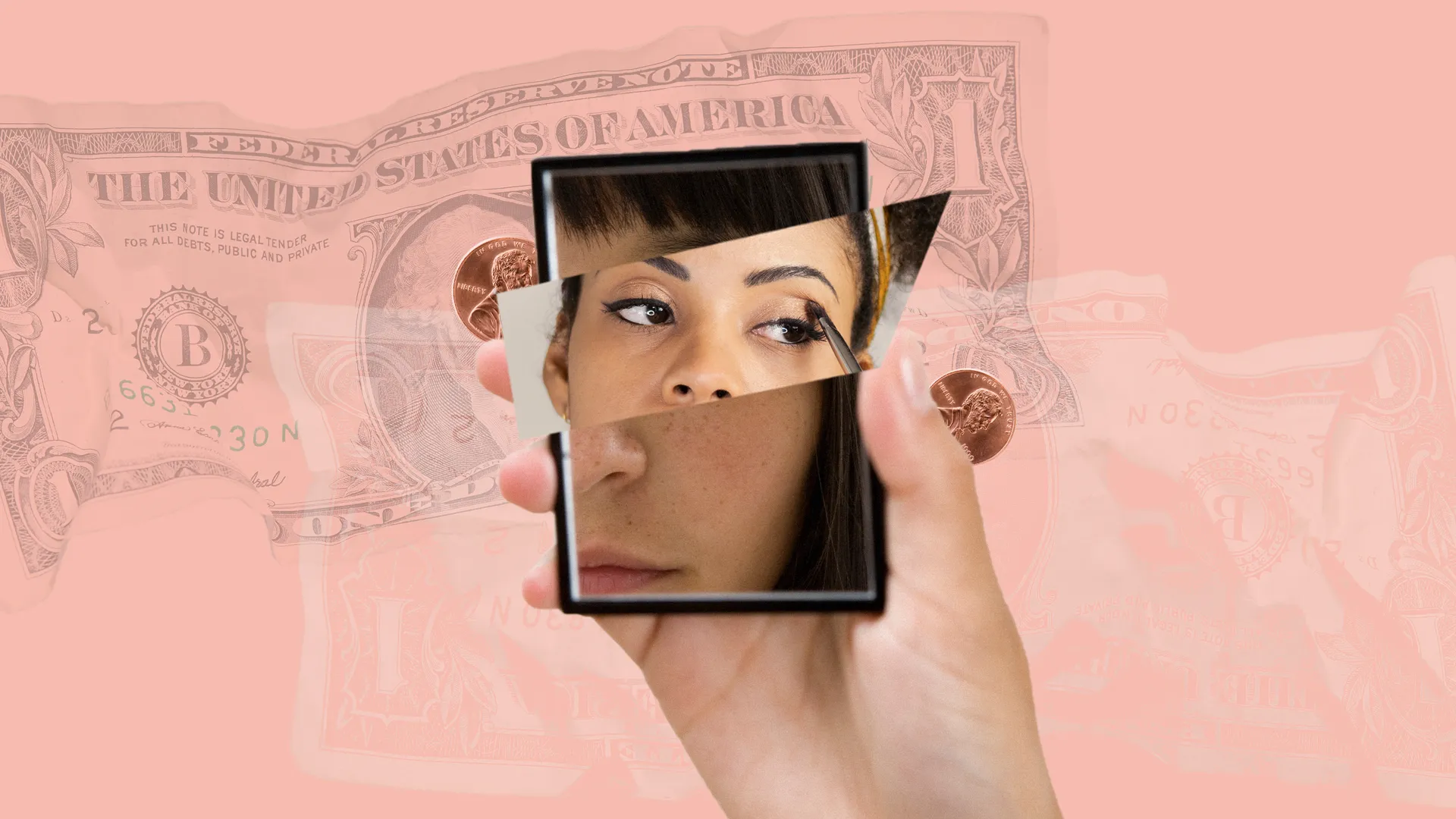 This second image focuses more directly on dismantling those very standards, explicitly mentioning hair expectations alongside other pressures. Unrealistic hair standards are not just an aesthetic preference; they are deeply entrenched societal pressures with tangible consequences. The constant stream of ‘perfect’ hair images – airbrushed, filtered, digitally altered – creates a landscape where natural variations are often dismissed or actively ridiculed. Textures deemed ‘unprofessional,’ ‘unmanageable,’ or simply ’not beautiful’ according to the current trend become stigmatized, contributing to feelings of inadequacy and reinforcing harmful beauty myths.
Hair, Image, and Self-Worth on Social Media
 Let’s talk about social media: it’s a double-edged sword for beauty ideals. The third image directly addresses social media’s role in shaping unrealistic hair expectations. The platform’s algorithms, driven by engagement, often prioritize visually flawless content. This hyper-focus on hair perfection – specific lengths, exact curls, flawless shine – fuels comparison and anxiety. Girls and boys alike are scrolling, measuring their hair against impossible ideals, spending exorbitant amounts on products and treatments, and enduring constant scrutiny when their hair doesn’t ‘perform’ up to the standards showcased online. The pursuit of the ‘Instagram-perfect’ curl or ‘Youtube-suggested’ straight look can become a source of immense stress, eclipsing the joy and practicality hair can otherwise bring.
Moving Beyond the Ideal
 The fourth image offers a positive, solution-focused angle, asking “How to Overcome…” This shift from despair to empowerment is crucial. The image itself suggests a move towards acceptance and authenticity, echoing the idea that overcoming the pressure involves rejecting the impossible standard. Hair diversity is vast and beautiful – from thick kinks to fine strands, greys, extensions, shaved heads, and everything in between. True empowerment comes from recognizing that hair shouldn’t be the primary measure of self-worth or beauty. It comes from embracing our unique variations, understanding that the ‘one style fits all’ narrative is a fallacy, and appreciating beauty in form and individuality, not just conforming to a singular, evolving ideal.
Beauty Standards Beyond the Surface
 Finally, the fifth image, a PDF representation, highlights a profound truth: Unrealistic Beauty Standards Lead to Unrealistic Standards of Life. The relentless focus on hair, hair texture, styles, and ‘flawlessness’ trickles down beyond appearances. Perceiving that certain hair is inherently ‘better’ or more valuable than others can impact how individuals feel about themselves, how they interact professionally, and even their sense of belonging within their own communities or broader society. An obsession with meeting an external hair ideal can overshadow inherent worth, individual strengths, and personal happiness, setting up a system where hair condition reflects life quality, a completely inverted perspective.