
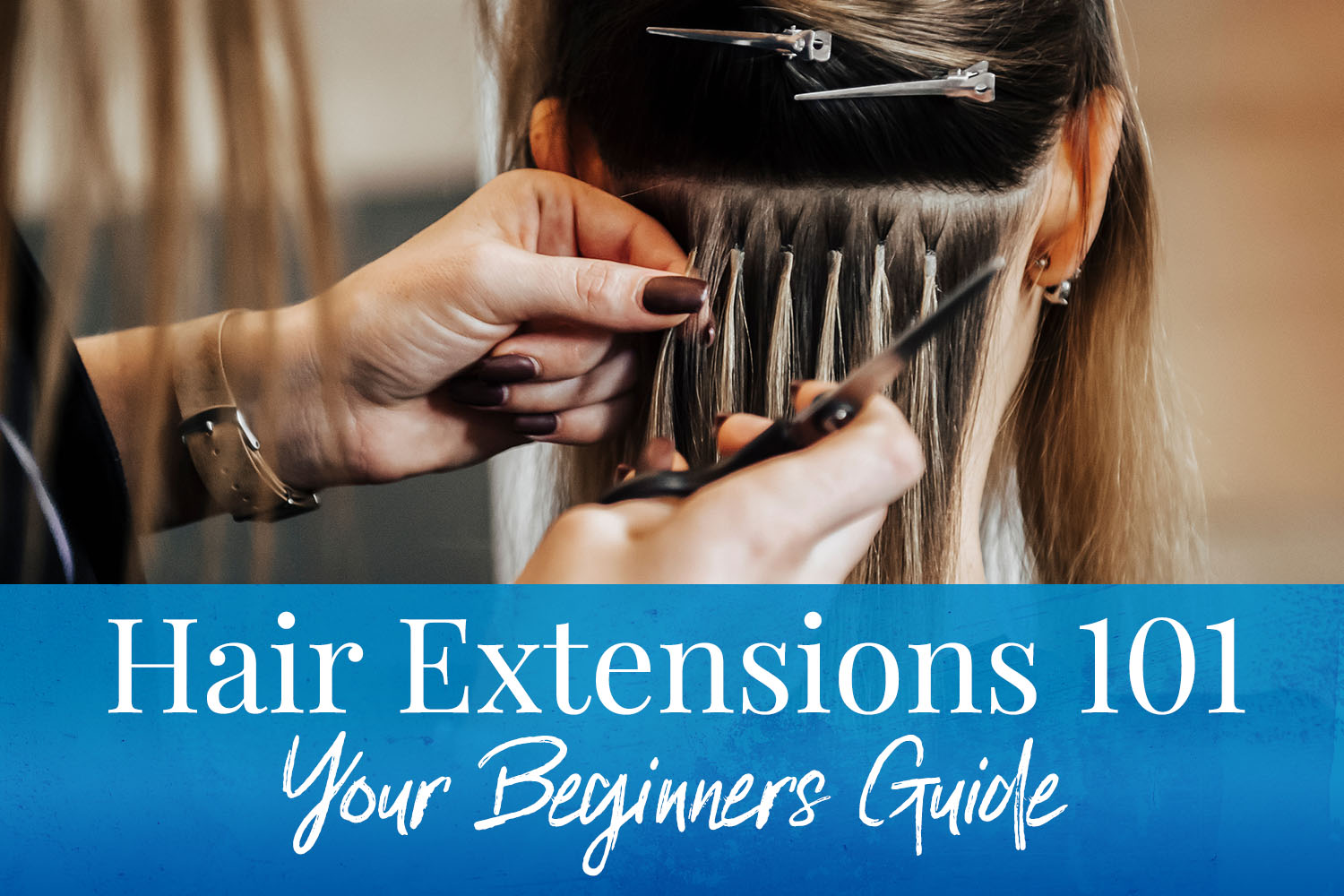
When it comes to enhancing your look, hair extensions are a game-changer. They offer a versatile solution to add length, volume, or simply change your hairstyle. But navigating the world of extensions can feel overwhelming. This guide, presented as an infographic, aims to demystify the process. Whether you’re a beginner seeking a simple style or an experienced stylist looking for quick reference tips, understanding the different types, quality factors, and styling considerations is crucial. This resource covers everything you need to know, from choosing the right method to finding quality extensions and mastering your look.
 Determining Extension Quality
Just finding the right length isn’t enough; the quality of the hair itself makes a significant difference. This section dives into the key indicators of quality. Look for extensions with a consistent color throughout, no visible signs of damage like split ends or knots, and soft, smooth textures. Human hair extensions, while often top-tier, can vary widely. Factors like the cuticle alignment (closed for maximum shine and longevity) and the origin (Virgin hair vs. processed human hair) are critical. Clipping the ends of a few strands can reveal if it’s human hair – Virgin hair should feel cool and show natural growing points. Synthetic fibers, while more budget-friendly, have their own tell-tale signs: they often have a plastic sheen, don’t move or reflect light naturally, and can snag easily. Avoid extensions feeling excessively heavy, as this usually indicates low-quality hair being stretched or weighed down. Remember, higher quality extensions generally last longer and look more natural, offering better value in the long run.
 Free Hair Extension Training Guide
Choosing a method is just the beginning. Proper installation by a skilled stylist is essential for a natural, durable result. If you’re new to extensions or a specific technique, investing in some training or finding a reputable professional is highly recommended. Resources like training guides are invaluable for learning best practices. This complimentary guide likely covers foundational knowledge – understanding different installation methods (like bonding, clip-ins, tape-ins), maintenance routines, and avoiding common mistakes like pulling or tension-related hair loss. For those comfortable with DIY approaches (always prioritizing safety and understanding the risks), these guides might also touch upon basic tools and techniques for certain extension types. Remember, knowledge is power; understanding the technical aspects helps you communicate your needs effectively to your stylist and make informed decisions about your hair extensions. Whether it’s a professional service or a well-researched guide, learning empowers you to achieve and maintain beautiful extensions confidently.
 The Ultimate Guide to Hair Extensions Methods
The world of hair extensions offers a multitude of choice, each with its own unique benefits, challenges, and aesthetic appeal. This section typically provides a visual overview of popular techniques, making it easier to understand the differences. Common methods range from more subtle options like tape-ins and clip-ins to more dramatic additions such as micro-bonding, surgical knots, and fusion. Each technique requires different levels of maintenance – some can be removed and reapplied regularly, while others are permanent installations needing touch-ups over time. Consider your lifestyle: frequent swimming, sweating, or heat styling can impact the longevity and health of certain extension types. Naturalness is another key factor – some methods allow hair to blend seamlessly, while others might create more noticeable clumping or bulges if not applied correctly. NYC’s style standards often favor versatility and edgy looks, which these diverse methods can achieve, allowing individuals to experiment with bold changes or subtle enhancements confidently and appropriately.
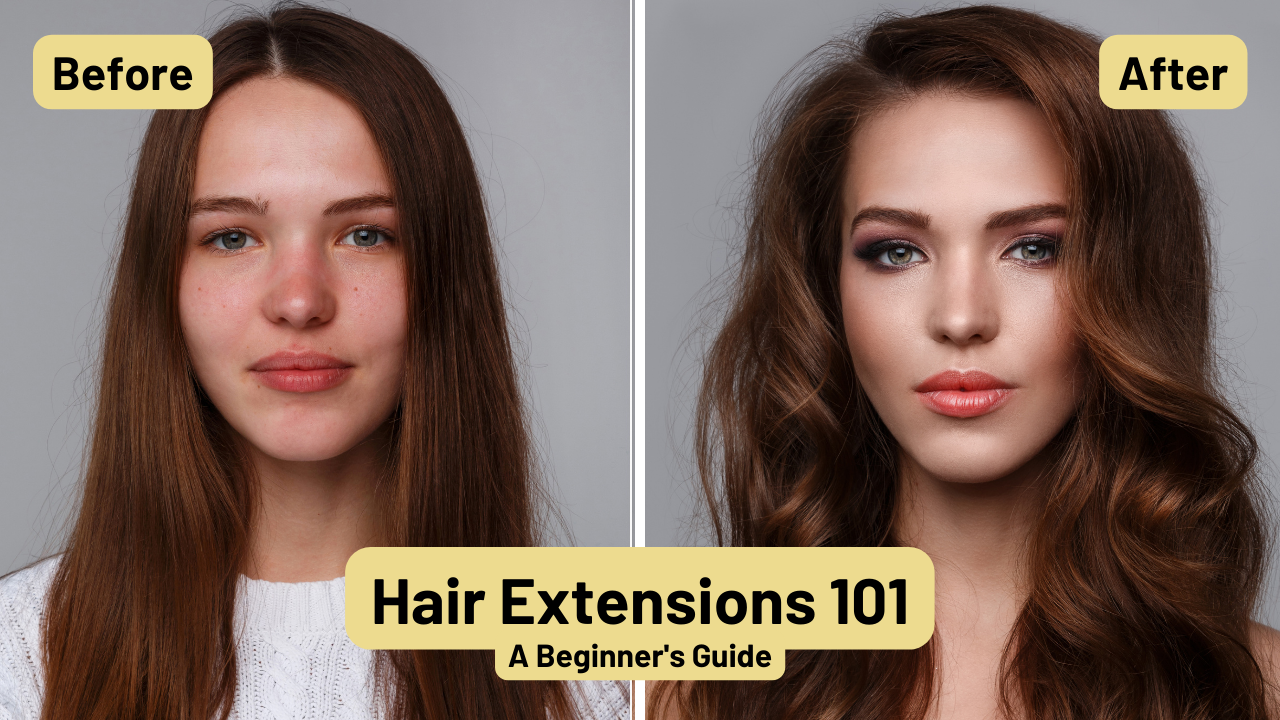 Hair Extensions 101: A Beginner’s Guide
Stepping into the world of hair extensions doesn’t have to be daunting. A good beginner’s guide serves as your friendly roadmap, simplifying complex concepts. This section likely introduces extension basics in an accessible way, stripping away jargon and focusing on core elements. It’ll explain crucial terminology like “Virgin hair,” “remi hair,” “strand bonds,” and “tape-ins.” Understanding hair density options allows you to choose quantities that add volume or length without looking overly augmented. These guides often emphasize setting realistic expectations regarding growth – extensions won’t magically lengthen your natural hair, but they can make it appear significantly fuller, faster over time as you let them grow out (with proper maintenance). It also touches upon ethical considerations when choosing human hair, such as ethically sourced options. Armed with this introductory knowledge, newcomers can feel empowered to explore further, ask informed questions, and start making smart decisions about their hair extension journey.
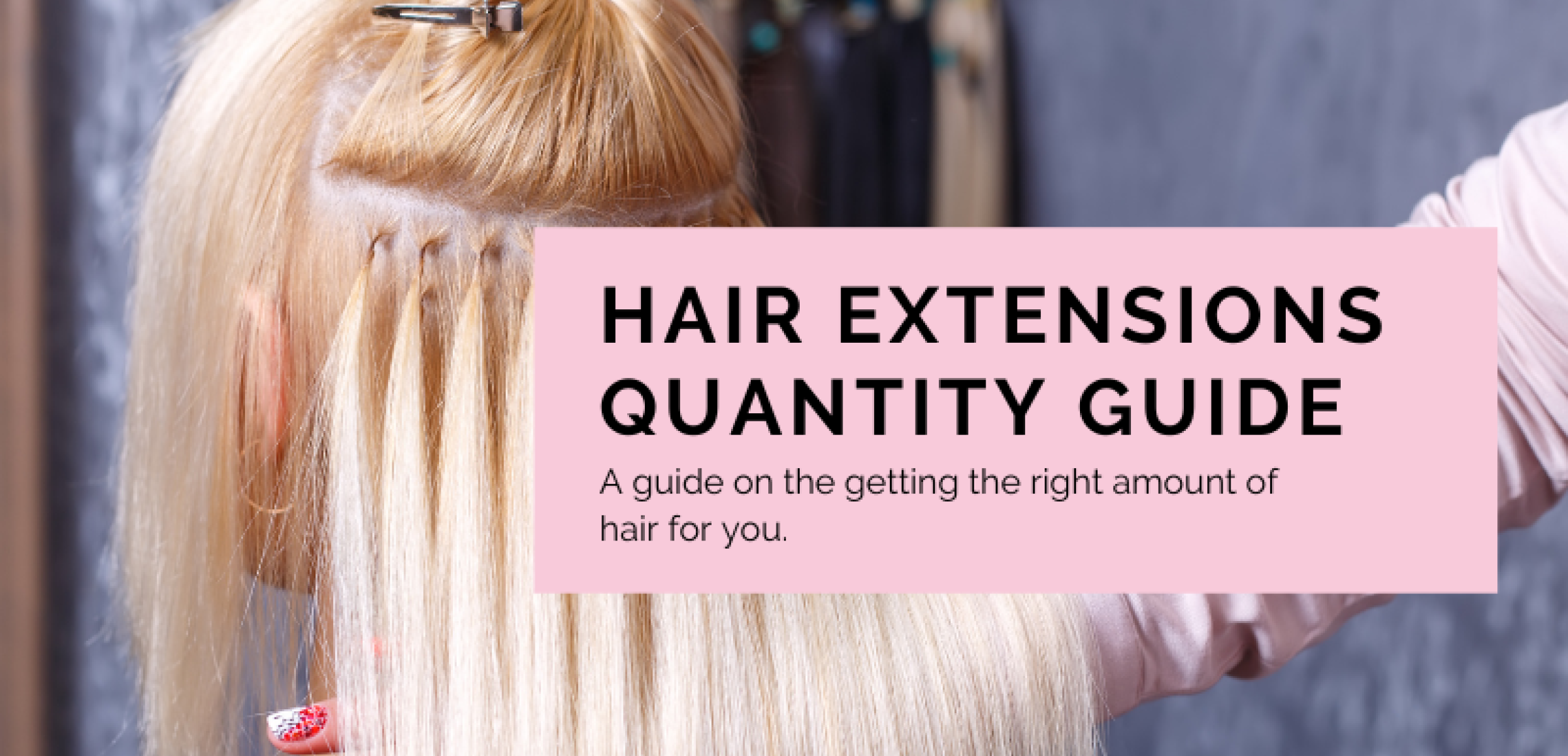 Hair Extension Quantity Guide
Choosing the right number of extensions is key to achieving your desired look, whether that’s a subtle lift, significant length, or full track coverage. Determining exactly how many extension strands you need can be tricky if you’re new to this. An effective quantity chart simplifies this decision-making process. These guides often provide clear instructions, helping you measure your hair base circumference (the distance around your head from front hair parting to front hair parting). Once you have that measurement, the chart uses a predefined system – like strands per centimeter or inches – to recommend the ideal quantity for different coverage levels. For example, if your base is 52 cm wide but very thick, you might need more strands than someone with the same measurement but finer hair. The guide clarifies differences between styles like full tracks, half tracks, or random placement, impacting the density needed. Getting the quantity right ensures your extensions blend beautifully and distribute weight evenly for a natural appearance and healthier result. Use this tool as a starting point, then consult with a stylist to finalize the number based on their expertise.