

The undercut hairstyle has that undeniable charm. It whispers sophistication on one side and screams confidence on the other, daring you to question its place in the sun (or rather, in the spotlight). Was it truly gone, or was it just hiding its brilliance? Looking around lately, it seems the undercut is staging a comeback, making confident strides back into the mainstream. It’s the style of yesteryear, re-emerging with fresh, modern flair and styling possibilities that can transform a simple look into a statement piece. Forget the outdated notions; the undercut isn’t just back, it’s here to stay, and if you’ve been hesitant, the time to embrace it is now. Ready to master the mane and conquer the cut? Let’s dive in!
Daring Elegance: The Swept Back Undercut
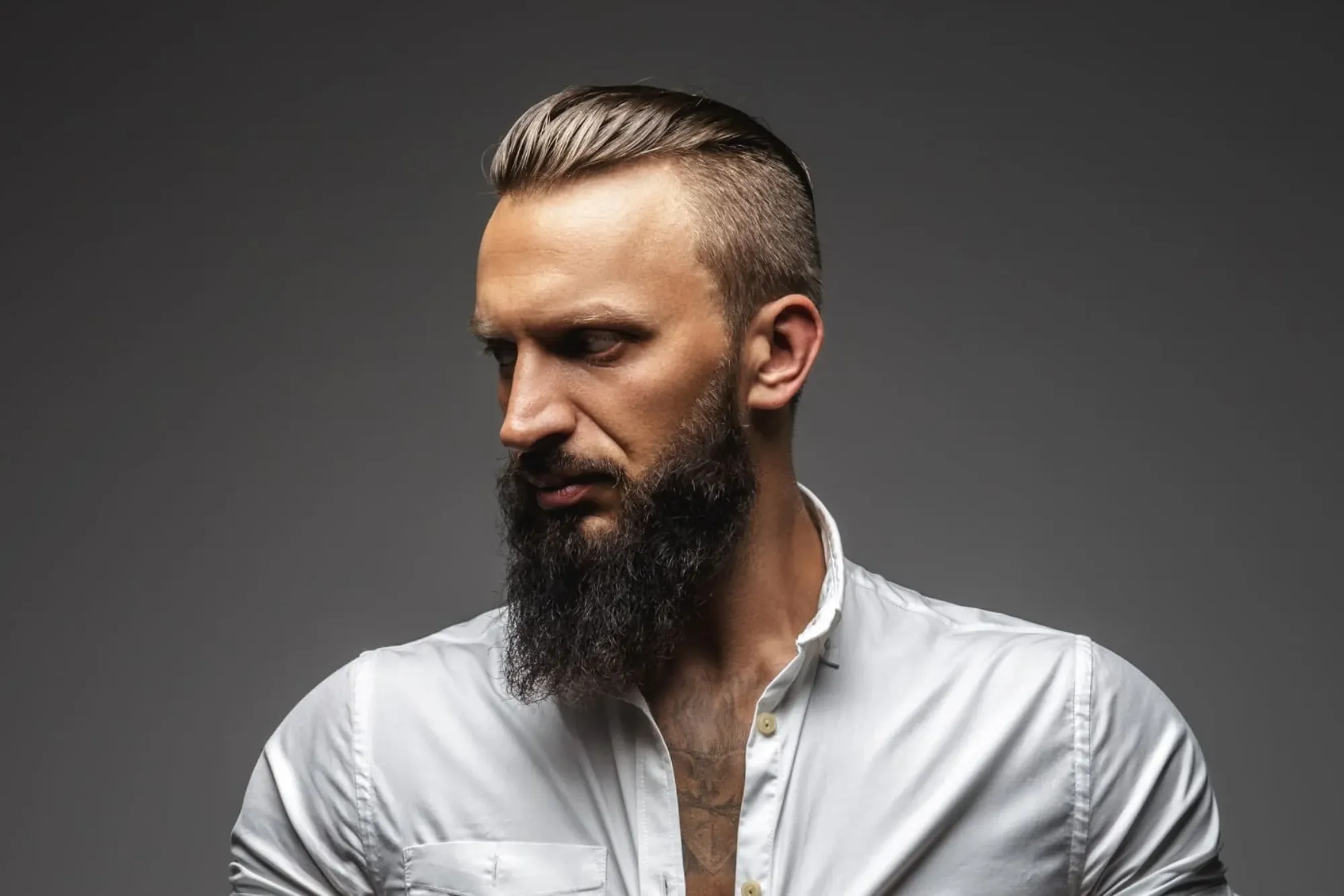 This isn’t your grandpa’s undercut. The swept-back undercut takes the classic undercut foundation – that neat, short side part – and dramatically flips the top and back for a bold, fashion-forward style. The undercut is subtle against the stark contrast of the longer hair swept back, often smoothed down with product for a sleek finish. It’s all about that dramatic angle and the clean line of the undercut against the tousled or sleeker back. It’s a look that commands attention, perfect for those who want to make a statement without saying a word.
Modern Minimalism: Undercut Pixie Bob
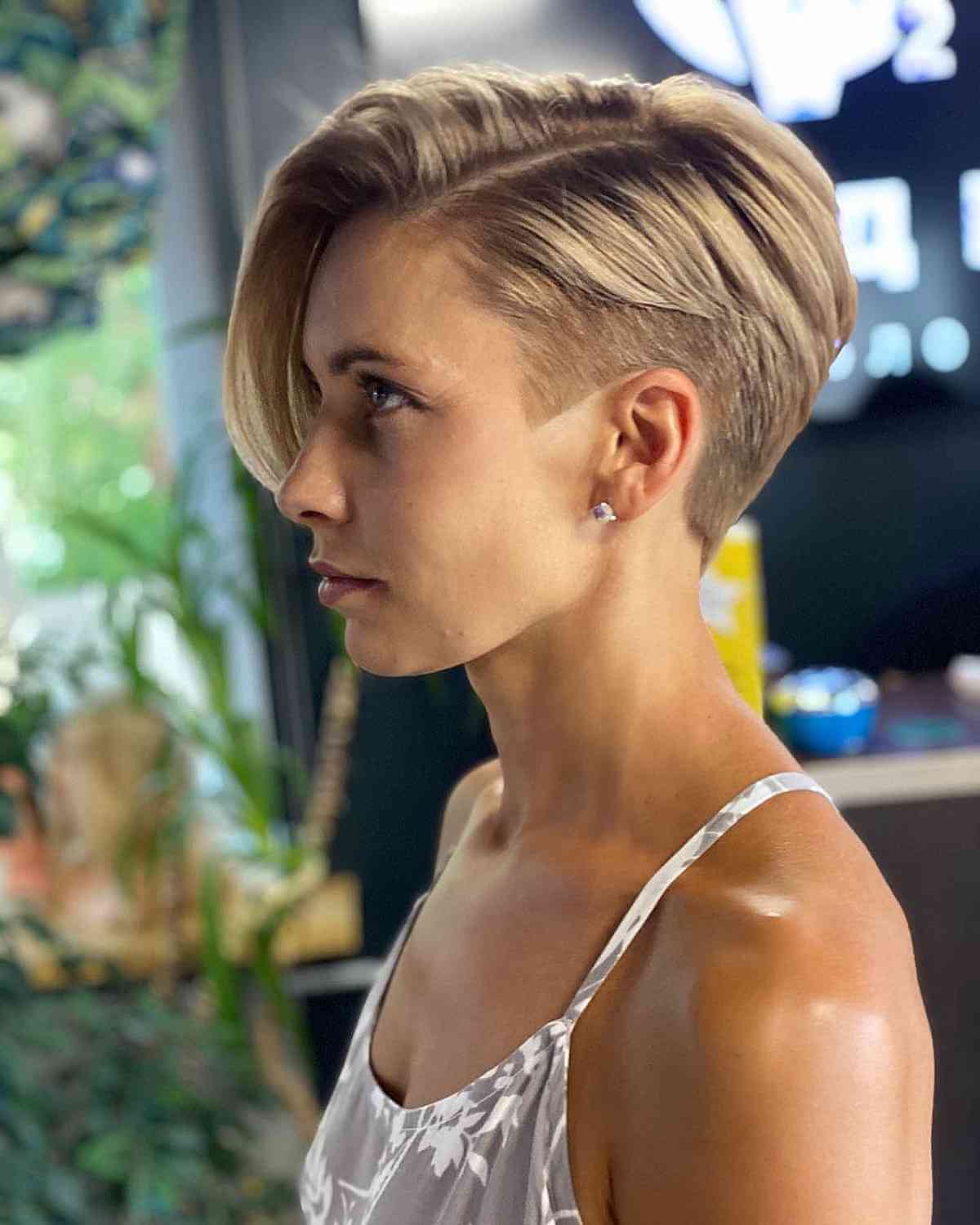 Combining the precision of the undercut with the chic length and shape of a pixie bob creates a truly versatile and low-maintenance style. The undercut provides the edgy backbone, defining the sides and back cleanly, while the top and front are longer (but still relatively short), offering volume and movement. This undercut pixie bob effortlessly bridges the gap between the short and the long, fusing the sharpness of the undercut with the playfulness and practicality of a pixie cut. It’s a contemporary powerhouse, proving that the undercut can adapt seamlessly to various hair lengths and desired aesthetics.
Low Maintenance Edge: Classic Short Undercut
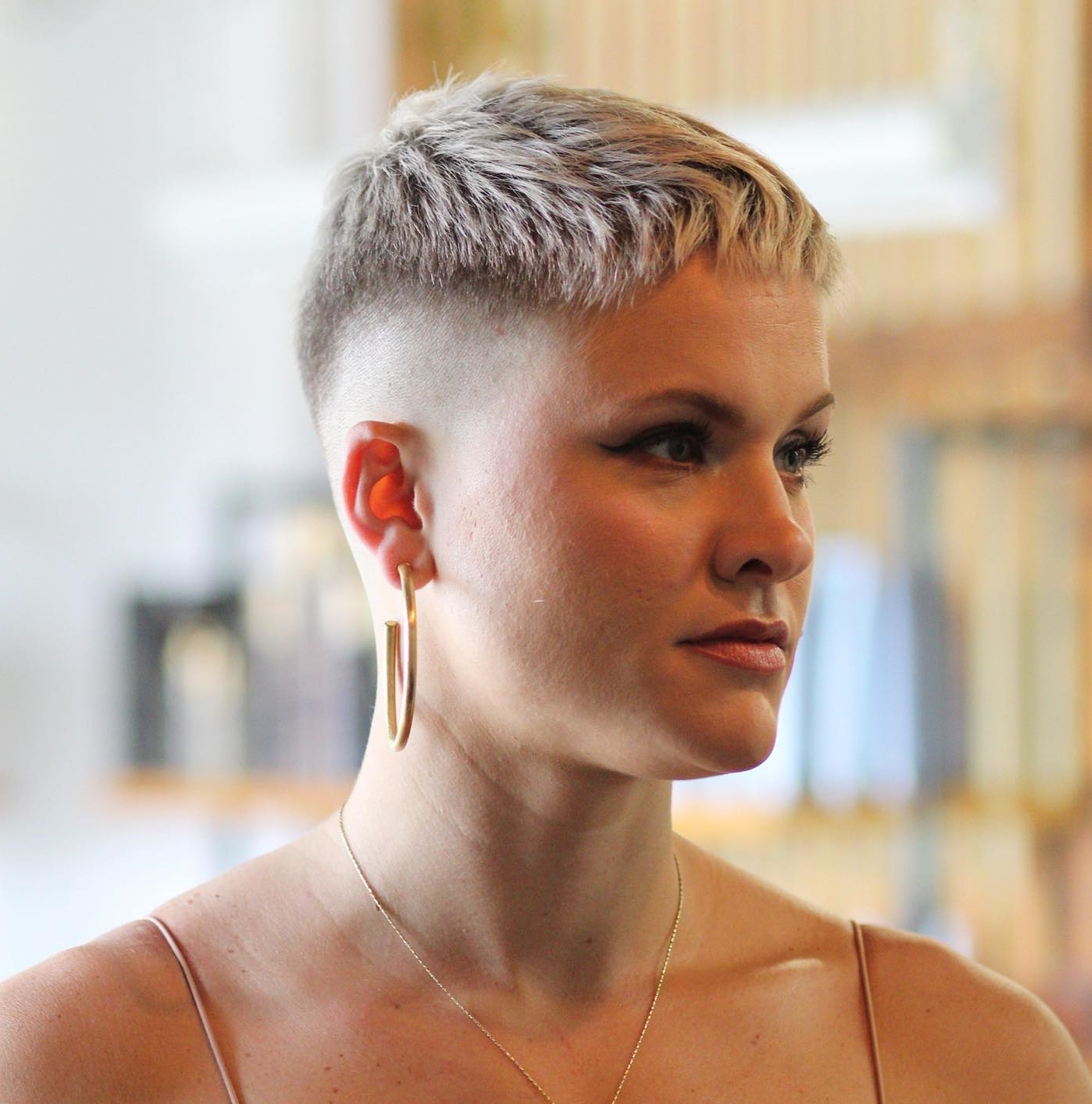 Some undercuts scream edge, and this classic short undercut does just that. Featuring a very short, often shaved or extremely close-cropped undercut area – sometimes shaved down very fine for contrast against slightly longer hair – it offers maximum definition. The undercut is usually the defining element, starkly contrasted against the rest of the hair, which can sometimes be kept relatively longer, styled straight, slightly textured, or slicked back. This minimalist approach keeps styling fuss-free while maximizing impact, a go-to for achieving high-impact looks with low maintenance. The short undercut remains a timeless choice for a sharp, sophisticated, and undeniably modern look.
The Disconnect: Undercut Back And Sides
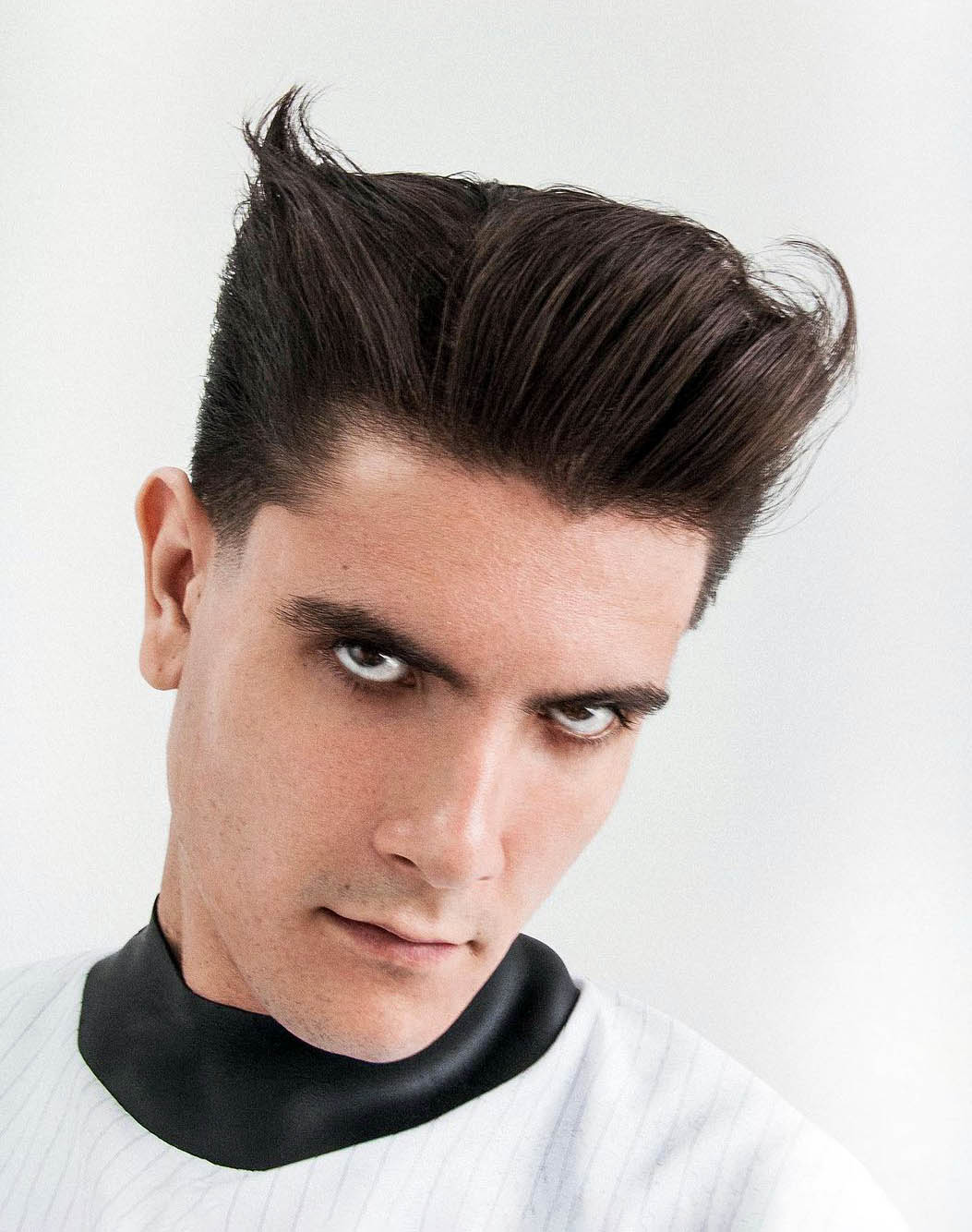 Often referred to as a “Disconnected Undercut” or “Disconnected Fade,” this variation takes the undercut concept and introduces a clever disconnect. In this style, the back and side portions of the head are typically undercut (shaved short), but the top (crown) retains much more length and texture. This usually involves a specific transition point – a sharp edge – dividing the undercut from the longer top. Styling the top back often enhances this disconnect effect, adding volume and texture, while the undercut provides a clean, sharp backdrop. It’s a creative twist that adds asymmetry and visual intrigue, perfect for those who appreciate gradients (fades) combined with the defined undercut element.
Celebrity Stance: Mens Short Undercut Style
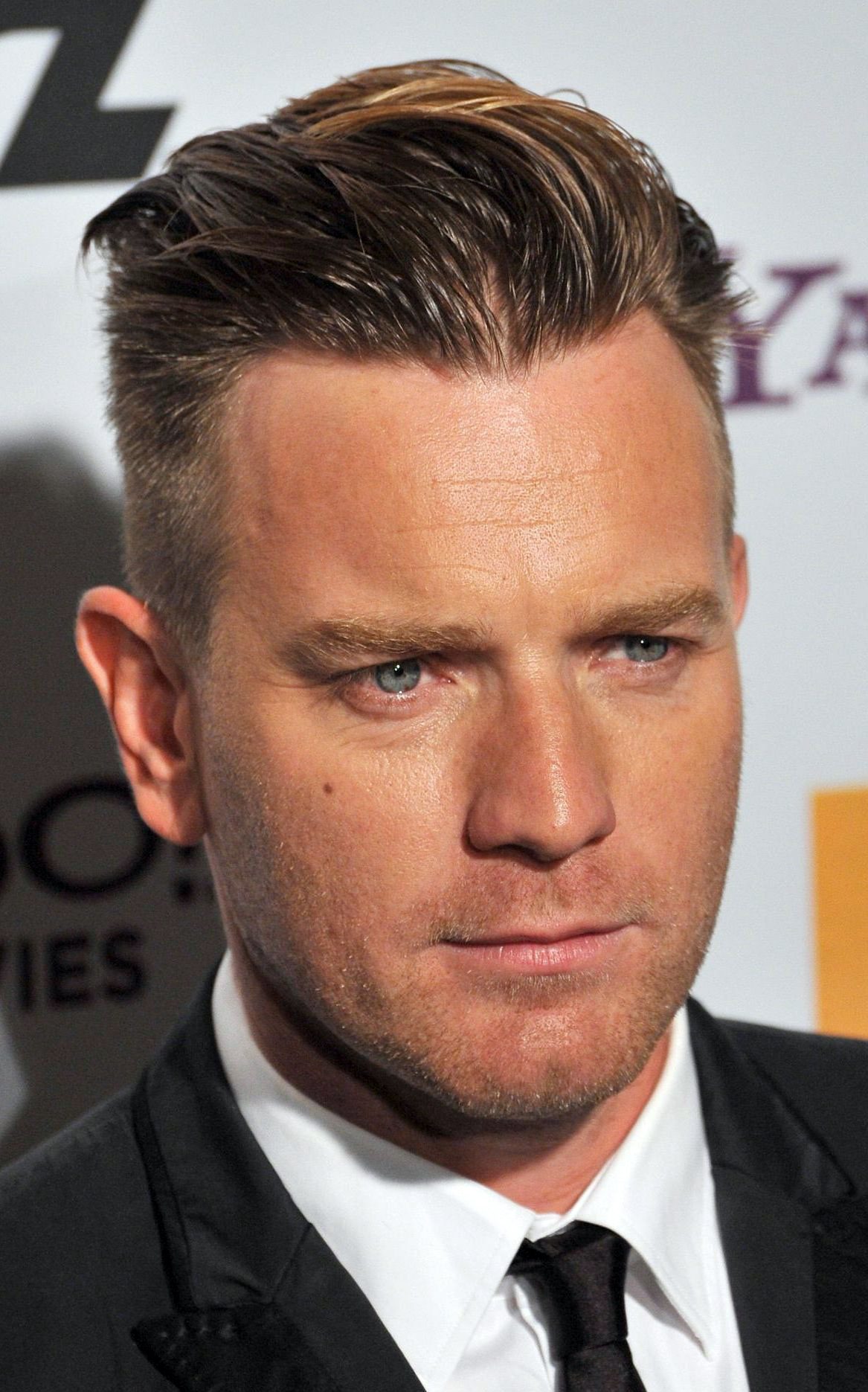 As seen by charismatic figures strutting red carpets, the sleek, defined undercut remains an iconic male hairstyle. This prominent example features a very short undercut shaved on the sides and back, seamlessly blending into a neatly cropped undercut on the top and crown. The defining characteristic here is its sharp, clean lines – achieved through close cropping and masterful straight-back styling. The undercut acts as the perfect base for a sculpted, powerful look. It speaks of polish, confidence, and a sharp sense of modern style. It’s the kind of undercut hairstyle that turns heads, proving its enduring appeal across different eras and personal styles.