

Thick hair is a blessing, but it can also be a challenge—especially when you’re considering a lob (long bob) haircut. A lob is a versatile, flattering style that works for many hair types, but for thick hair, it requires some strategic thinning to avoid bulkiness and ensure a polished look. The key is finding the right balance between maintaining volume and reducing excess weight. Whether you have straight, wavy, or curly thick hair, a well-executed lob can enhance your features, add movement, and make styling easier. In this post, we’ll explore how much to thin thick hair for a lob, different styling options, and tips to keep your cut looking fresh and manageable.
Why Thinning is Essential for Thick Hair Lob Cuts
 Thick hair tends to be heavy, which can make a lob look bulky if not thinned properly. The goal of thinning is to reduce weight while preserving shape and movement. A skilled stylist will use techniques like point cutting or slide cutting to remove excess bulk, particularly around the crown and ends. For straight thick hair, thinning helps prevent a helmet-like effect, while for wavy or curly hair, it reduces puffiness and enhances definition. The amount of thinning depends on your hair’s texture and density—fine thick hair may need less thinning than coarse thick hair. Always consult with your stylist to determine the best approach for your specific hair type.
Lob Styles for Straight Thick Hair: Sleek and Polished
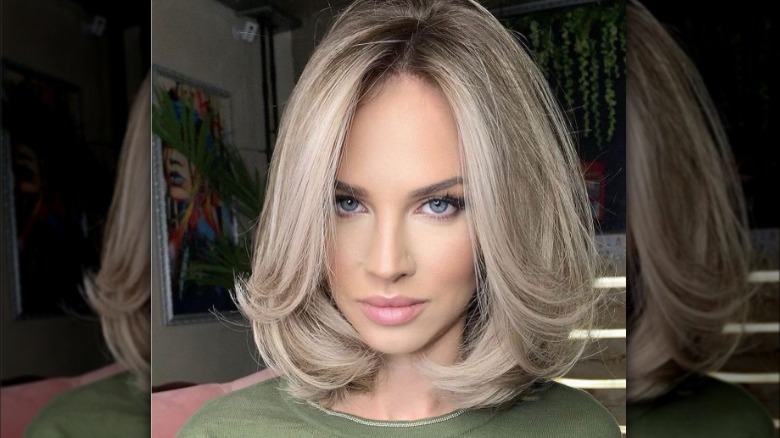 Straight thick hair can look stunning in a lob, but it often needs thinning to avoid a stiff, unflattering silhouette. A classic lob with subtle layers around the crown and mid-lengths can add softness and dimension. For a more modern look, ask your stylist for a “blunt lob” with clean ends but thinned midsections to reduce bulk. If you prefer volume, a slightly wavy lob with face-framing layers can add movement without overwhelming your hair’s natural thickness. Use a flat iron for a sleek finish or a round brush for subtle waves. A lightweight serum can help tame flyaways and add shine without weighing hair down.
Wavy and Curly Thick Hair Lobs: Embracing Natural Texture
 For those with wavy or curly thick hair, a lob can be a game-changer by framing the face and reducing overall volume. The key is to thin the hair strategically to prevent a triangular shape or excessive puffiness. A layered lob with face-framing pieces can enhance your natural texture while keeping the cut balanced. Avoid over-thinning, as this can disrupt curl patterns and lead to frizz. Instead, focus on removing weight from the top layers and ends to encourage bounce and definition. Styling with a diffuser or a curl-enhancing cream can help define waves without adding bulk. Embrace the texture—your lob should complement your natural pattern, not fight it.
Thinning Techniques for a Flattering Lob on Thick Hair
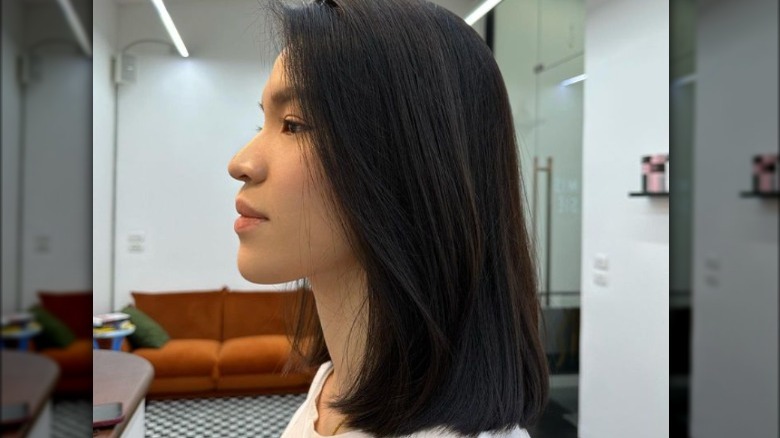 Not all thinning is created equal, and the technique used can make or break your lob’s success. Point cutting, where the stylist snips vertically into the hair, is ideal for reducing density without creating harsh lines. Slide cutting, which involves sliding the shears along the hair’s surface, helps blend layers seamlessly. For thick hair, your stylist may also recommend thinning shears to remove bulk from the mid-lengths while maintaining length. Avoid excessive thinning at the roots, as this can cause the lob to lose its shape over time. Regular trims every 8-12 weeks will keep your cut fresh and prevent split ends from weighing down your hair.
Styling Tips to Maintain Your Thick Hair Lob
 Once you’ve achieved the perfect lob, proper styling is essential to keep it looking its best. For straight hair, a heat protectant spray and a high-quality flat iron can help achieve a smooth finish. If you prefer volume, use a volumizing mousse at the roots before blow-drying with a round brush. For wavy or curly hair, a curl-defining cream and a diffuser can enhance your natural pattern while reducing frizz. Avoid heavy products that can weigh down your hair, and opt for lightweight sprays or serums instead. Experiment with parting styles—side parts can elongate the face, while middle parts can add symmetry. With the right techniques, your lob will stay stylish and low-maintenance for weeks.
Thick hair doesn’t have to be a challenge when it comes to lobs. With the right thinning techniques, styling tips, and a bit of creativity, you can achieve a chic, flattering cut that enhances your natural texture. Whether you prefer sleek and straight or bouncy and textured, a well-executed lob is all about balance. Consult with your stylist to tailor the cut to your hair type, and don’t be afraid to experiment with different lengths and layers. Your perfect lob is out there—it’s just a trim away!