
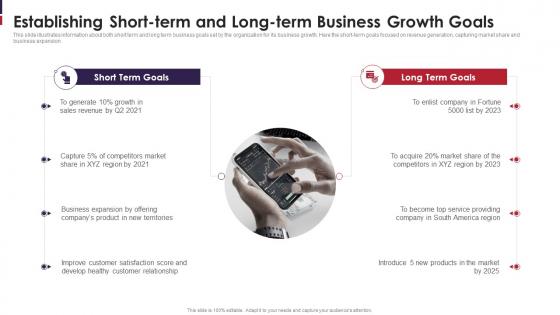
In the world of trading and investment strategies, the shift from short-term to long-term thinking isn’t just a change in timeframe—it’s a transformation in perspective. The allure of quick gains often overshadows the stability and growth potential of long-term positions, but what happens when you flip the script? Transitioning from short to long isn’t just about patience; it’s about redefining success, embracing discipline, and uncovering opportunities that fleeting trends can’t reveal. This journey isn’t just for the patient; it’s for those willing to see beyond the noise and build something enduring.
From Fleeting Trends to Lasting Foundations: The Power of Long-Term Strategies
 Short-term strategies often thrive in volatile markets, where rapid decisions can yield immediate rewards. However, they come with a cost—stress, unpredictability, and the constant need to stay ahead of the curve. Long-term strategies, on the other hand, offer a different kind of reward. By focusing on fundamental value rather than market noise, investors can build portfolios that withstand downturns and capitalize on compounding growth. The shift from short to long isn’t just about waiting; it’s about trusting the process and letting time work in your favor. Whether it’s holding through market fluctuations or doubling down on assets with strong long-term potential, this approach transforms trading from a gamble into a calculated investment in the future.
Balancing Act: How Long-Short Equity Strategies Bridge the Gap
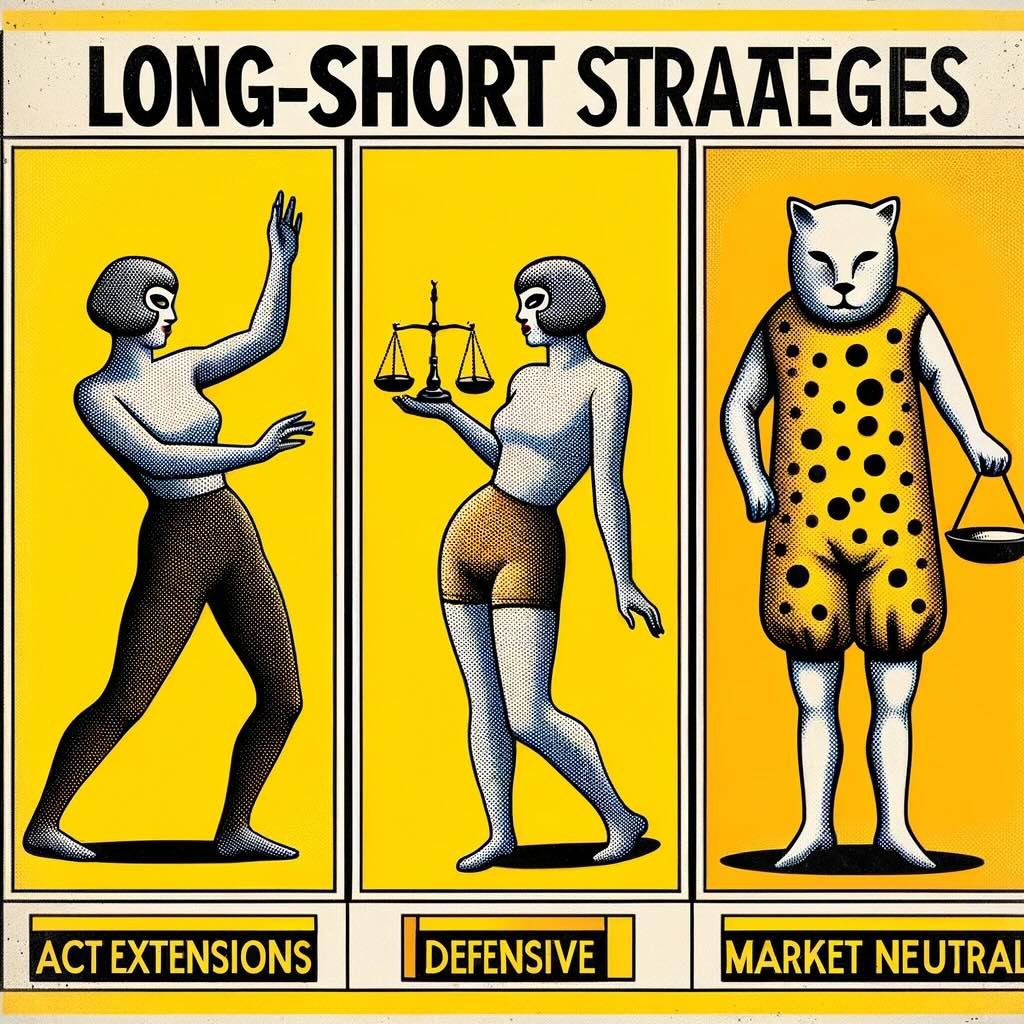 For those who can’t fully commit to either extreme, long-short equity strategies offer a middle ground. This approach combines the best of both worlds—leveraging long positions in assets expected to rise while shorting those likely to decline. It’s a strategy that demands precision, as it requires identifying not just winners but also the losers to avoid. The beauty of long-short equity lies in its adaptability. In bullish markets, the long positions drive returns, while in bearish conditions, the short positions provide a hedge. This dual approach not only mitigates risk but also creates opportunities for profit regardless of market direction. For investors looking to transition from purely short-term tactics to a more nuanced strategy, long-short equity serves as a compelling bridge, offering both protection and potential.
The E-Commerce Evolution: Why Short-Term Tactics Fall Short
 In the fast-paced world of e-commerce, short-term marketing strategies often take center stage. Flash sales, viral trends, and influencer partnerships can drive immediate traffic and conversions, but they rarely build lasting brand loyalty. Long-term strategies, such as SEO optimization, customer retention programs, and brand storytelling, may not yield instant results, but they create a foundation for sustainable success. Consider the difference between a one-time discount campaign and a loyalty program that rewards repeat customers. The former might boost sales temporarily, while the latter fosters a community around your brand. Transitioning from short to long in e-commerce means shifting focus from quick wins to building relationships, trust, and a reputation that endures beyond the next trend. It’s a reminder that in business, as in trading, the most valuable assets are often the ones you cultivate over time.
Marketing Mindset: Shifting from Immediate Gains to Lasting Impact
 Marketing is another arena where the tension between short and long-term strategies plays out vividly. Short-term tactics, like pay-per-click ads or seasonal promotions, can deliver quick visibility and sales, but they often come with high costs and diminishing returns. Long-term marketing, such as content marketing, email nurturing, and community engagement, builds an audience that grows organically over time. The key difference lies in intent. Short-term strategies are transactional, while long-term strategies are relational. They require patience, consistency, and a willingness to play the long game. For brands looking to transition from chasing immediate metrics to creating lasting connections, this shift isn’t just strategic—it’s transformative. It’s about recognizing that the most powerful marketing isn’t the one that gets attention today, but the one that earns loyalty tomorrow.
Beyond the Haircut: The Symbolism of Transitioning from Short to Long
 Sometimes, the most profound transitions aren’t financial or strategic—they’re personal. The decision to cut your hair from long to short can symbolize a shift in confidence, a break from the past, or a bold new direction. In the same way, transitioning from short to long strategies in any field represents a willingness to embrace change, take calculated risks, and trust in the journey. It’s about letting go of the need for instant gratification and instead focusing on what truly matters: growth, stability, and the courage to play the long game. Whether it’s in trading, business, or personal development, this shift isn’t just about the outcome—it’s about the mindset that makes the outcome possible. So, take the leap. The rewards of patience and perspective are often the ones that last the longest.