
Balancing the weight of a perfect ponytail without a single hair out of place. Wishing you could finally pin down that curl pattern that seems to defy all explanation. Understanding the intricate world of hair can feel like venturing into a complex labyrinth, but what if there was a clearer map? What if the structure, texture, and growth patterns of your hair could be categorized, simplified, and brought into focus? The concept of hair types is fundamental yet surprisingly diverse. It’s not just about color or length; it’s about movement, density, porosity, and the innate curl potential – often abbreviated as ‘CP’ or simply ‘porosity’ in the realm of hair care. Knowing your hair type isn’t just a luxury; it’s a stepping stone. From crafting a tailored care routine that actually works to understanding your unique hair’s needs, the journey, particularly for those embracing natural hair, has been, until now, somewhat uncharted territory for many without the right map.
Unveiling the Blueprint: Your Hair’s Natural Identity
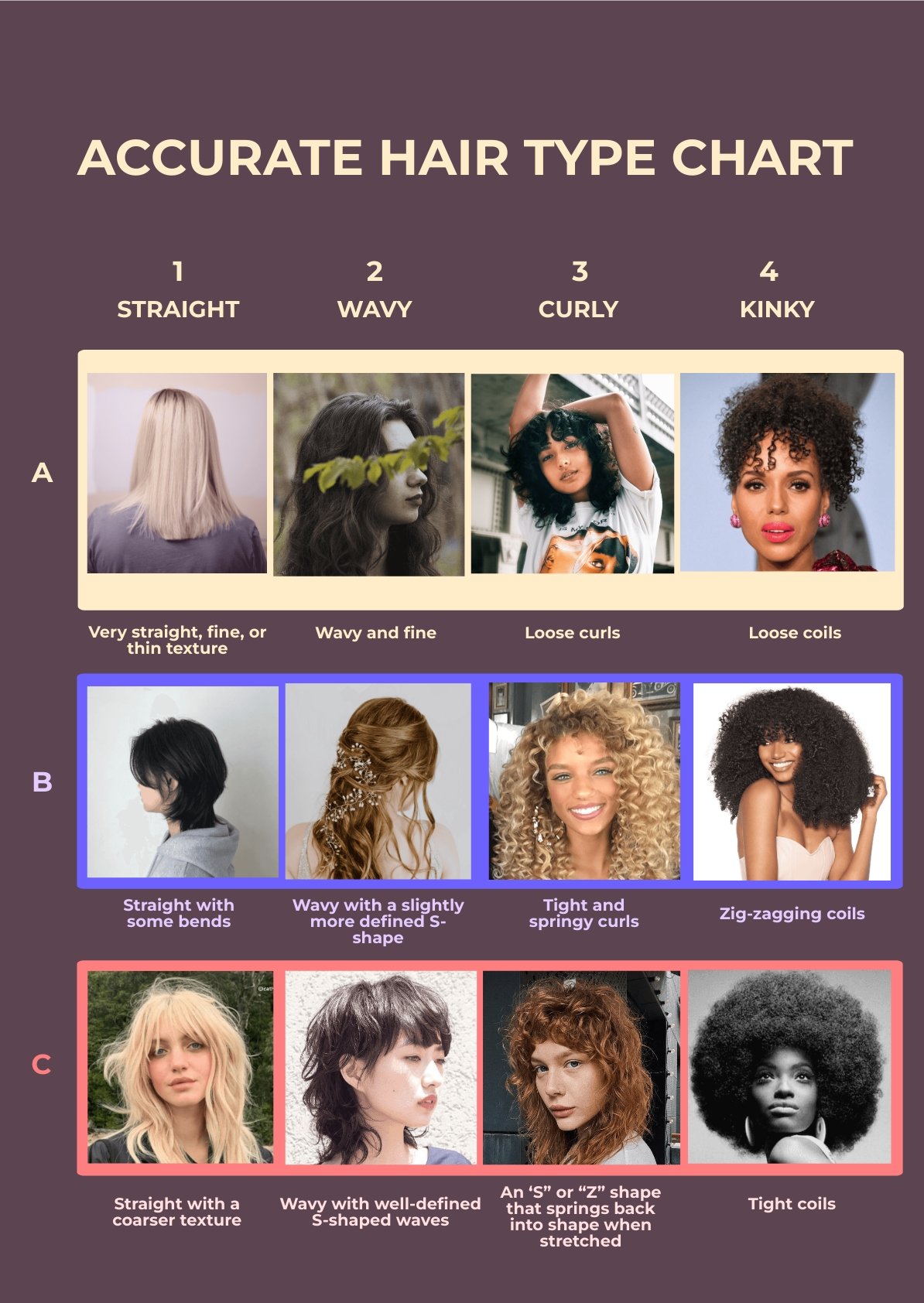 At the heart of personalizing your hair care journey lies the ability to identify your specific hair type. Think of a hair type chart not just as a diagram, but as a blueprint provided by template.net offering an accurate classification system. This visual tool empowers you, categorizing hair based on its curl, wave, or straightness patterns – typically ranging from Type 1 (straight) to Type 4 (coily). It also addresses crucial factors like porosity (how easily the hair cuticle absorbs moisture) and elasticity (the hair’s ability to stretch and return to its original state). Understanding whether your hair is coarse, medium, or fine can dictate the strength of products you need and the styling techniques that work best for you. For many, especially when embracing natural hair, this chart becomes an invaluable reference, helping demystify the natural hair world and providing guidance on finding the right textures and products for your unique journey.
Beyond the Bottle: Connecting Image to Impression
 Identifying your hair type is more than just looking in the mirror; it connects visual characteristics to tangible care strategies. Consider quizzes like the one referenced on Pinterest, which pose questions like “What is your hair type and what does that exactly mean?” This prompts reflection beyond surface level: “Is my hair dry because of my type, or because of my routine?” It encourages you to look closely and classify your hair based on texture, pattern, and feel. Maybe you thought you had type 2A waves until someone pointed out the tighter coils at the roots, indicating type 3A. Understanding these nuances transforms how you approach hair care – from choosing the right shampoo with the correct pH to detangling tools based on curl pattern. It shifts focus from vanity to function, ensuring products and treatments are specifically suited to your hair’s inherent structure, leading to healthier, happier hair.
Navigating the Hairscape: Charting Your Course
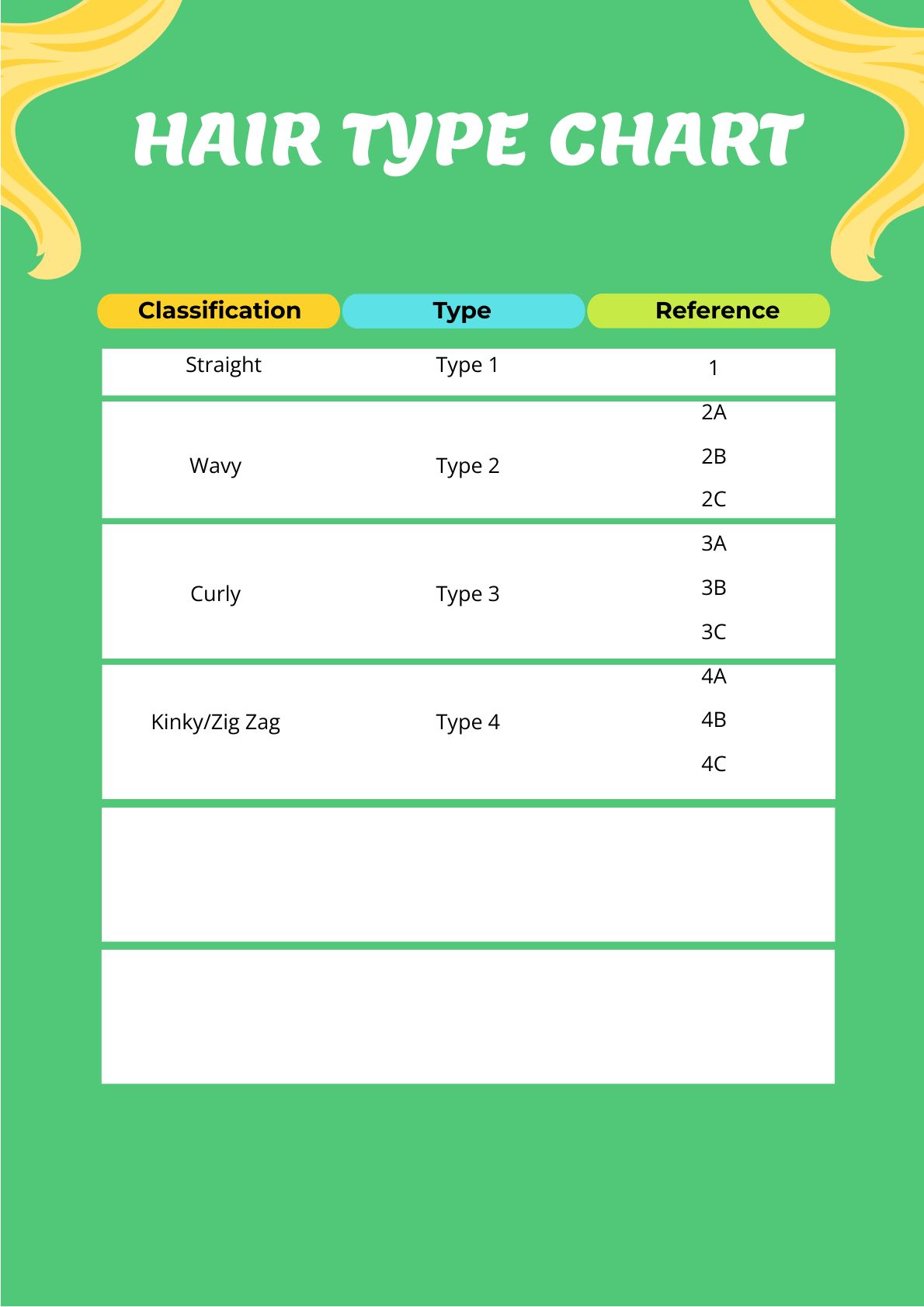 Different hair exists on a spectrum, and hair type classification systems offer a framework to understand it better. Whether it’s a standardized chart (similar to the one found on template.net) or a specific blog quiz like the one from Hannah Belisario, the tools available provide detailed perspectives on how hair categorizes. This second hair type chart, presented as a quiz on the Hannah Belisario blog, engages users in recognizing how their hair fits into these categories. It prompts consideration not just of curl pattern, but also texture, density, and how the hair behaves. Does it shrink significantly? Does it absorb water easily? Understanding these aspects via quizzes or reference charts allows for a more informed beauty regimen. Tailoring treatments becomes easier once you know, for instance, if you have hair that requires moisture-depositing products or if your type necessitates gentle handling to prevent breakage. This precision in care stems from a clearer, more structured perspective on the very nature of the strands you have daily.
Defining Your Natural Texture, Full of Curly Life
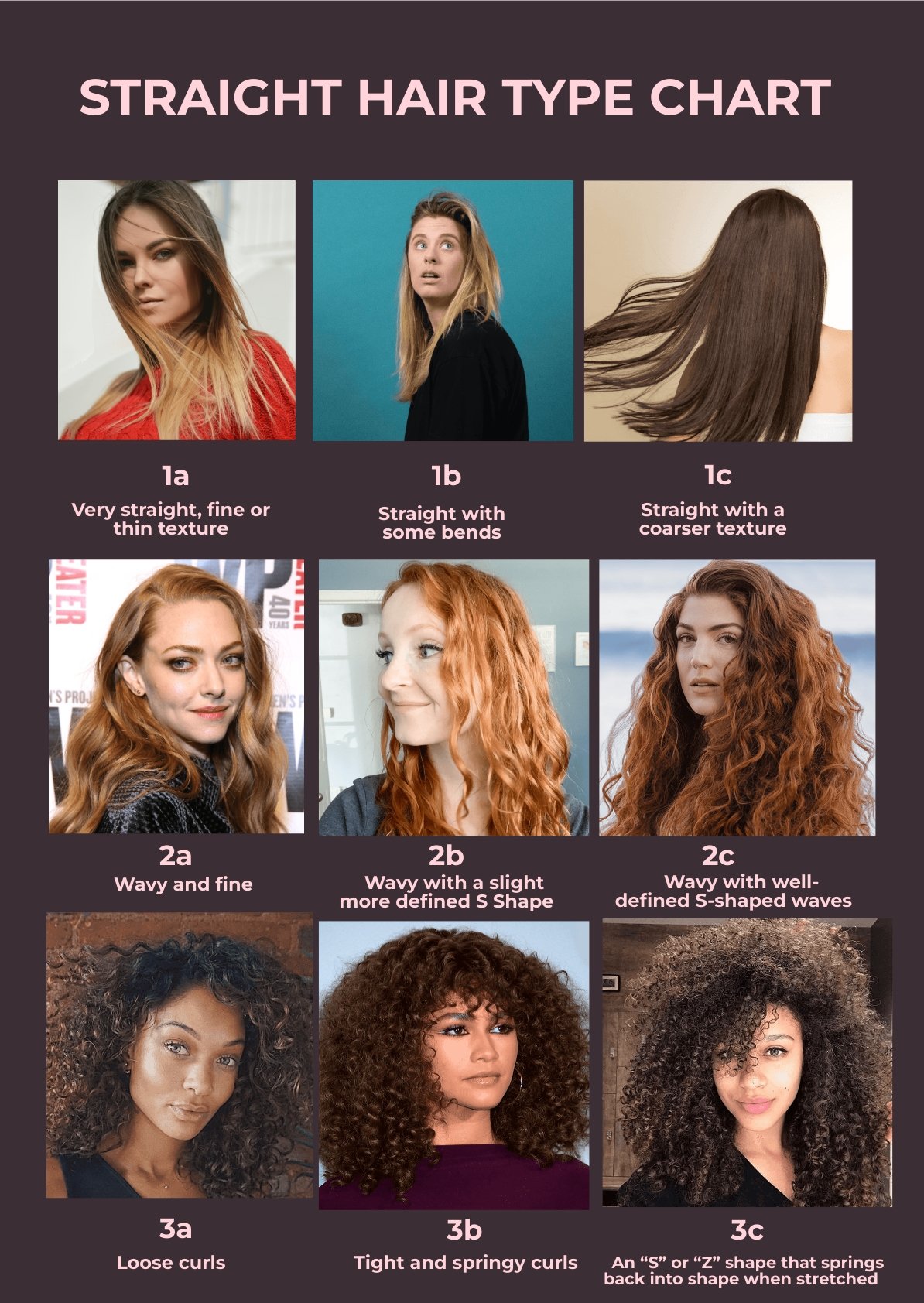 Hair type classification isn’t just about categorizing; it’s about appreciating the diversity within the human experience, regardless of hair’s natural curl or lack thereof. Think about the straight hair type chart presented here – it might seem distant from the curly textures of type 4, but the classifications are part of the same spectrum of possibilities. Both the templates.net site and Belisario’s blog offer different angles. Template.net often provides the foundational chart, while others might focus on quizzes or specific texture measurements. Seeing straight hair included doesn’t dismiss the importance of curly types; it shows the complete range, helping everyone understand their unique position on it. Knowledge is empowering. Whether your hair is straight, wavy, or coiled, understanding its texture level (coarse, medium, fine) adds depth to your hair care choices. This knowledge is key to unlocking a deeper level of understanding for curly hair types, for instance, enabling targeted care that truly transforms the health and appearance of your natural strands.
Discover the Secrets: Your Personal Hair Type Revealed
The question “What is my hair type?” echoes more often than you’d expect. The world is indeed rich with hair diversity, making self-identification sometimes tricky without guidance. Finding Your Hair Type Quiz addresses this head-on, offering an interactive, fun way to pinpoint your category. Why wait for a complex chart or a personal consultation? Engaging quizzes transform learning into an engaging process. You answer questions about your hair’s behavior, texture, and patterns, and the tool narrows it down based on algorithms designed around hair science. This quiz is more than just a game; it’s practical application. Instantly knowing whether you’re Type 3 (wavy/curly) or Type 1B (very fine straight) means you’re ready to research care tips tailored precisely to you. It bridges the gap between theoretical knowledge and practical advice, turning abstract classifications (as seen in many type charts) into accessible, actionable insights. Curious about how to make your curls pop or how to keep your straight strands silky smooth? A good quiz might be just the key you’re looking for.