
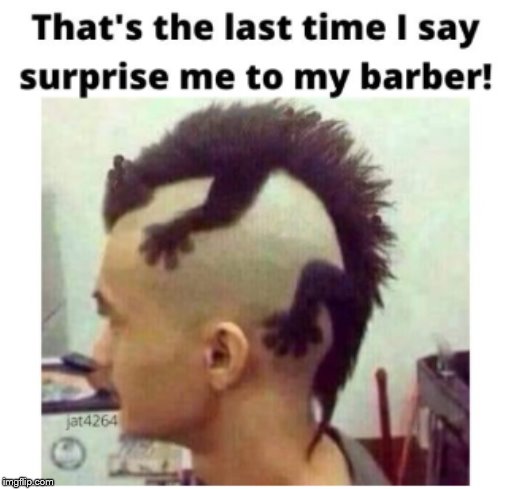
There’s something quietly devastating about walking out of the salon or barbershop with a fresh haircut, only to realize that no one—absolutely no one—has mentioned it. You scan the room, waiting for a glance, a nod, a “Wow, you look different!” but all you get are blank stares or polite smiles that don’t quite land. It’s a peculiar kind of social invisibility, one that lingers long after the hairspray has settled. This phenomenon isn’t just about vanity; it’s a mirror held up to how we perceive change, attention, and even our own place in the world. Why do we crave acknowledgment for something as simple as a haircut, and what does it say about us when that acknowledgment never comes?
When the Mirror Doesn’t Reflect Back
 That first glance in the mirror after a haircut is almost sacred. You tilt your head, run your fingers through the new layers, and wonder if the change is as obvious to others as it is to you. But here’s the thing: we’re often the only ones who notice the difference. To everyone else, you’re still just you—the same person who walked in, just with slightly shorter or longer hair. This disconnect can feel like a rejection, but it’s rarely personal. People are wrapped up in their own lives, their own reflections, and their own worries. A haircut is a tiny blip in the grand scheme of their day. The key isn’t to demand attention but to recognize that your worth isn’t tied to someone else’s observation.
The Polite Lie of Social Interaction
 Have you ever noticed how people often respond to a new haircut with a vague “You look great!” even when they don’t really see a difference? It’s the social equivalent of a handshake—something we do to acknowledge the moment without engaging with it deeply. These responses aren’t lies, but they’re not exactly truths either. They’re a way to keep the interaction smooth and avoid awkwardness. The problem arises when we mistake these polite gestures for genuine reactions. If no one notices your haircut, it might not be because they don’t care; it might be because they’re too busy navigating their own social scripts. The next time someone doesn’t react, ask yourself: Are they being dismissive, or are you just expecting more than the moment deserves?
Is Your Haircut Really That Noticeable?
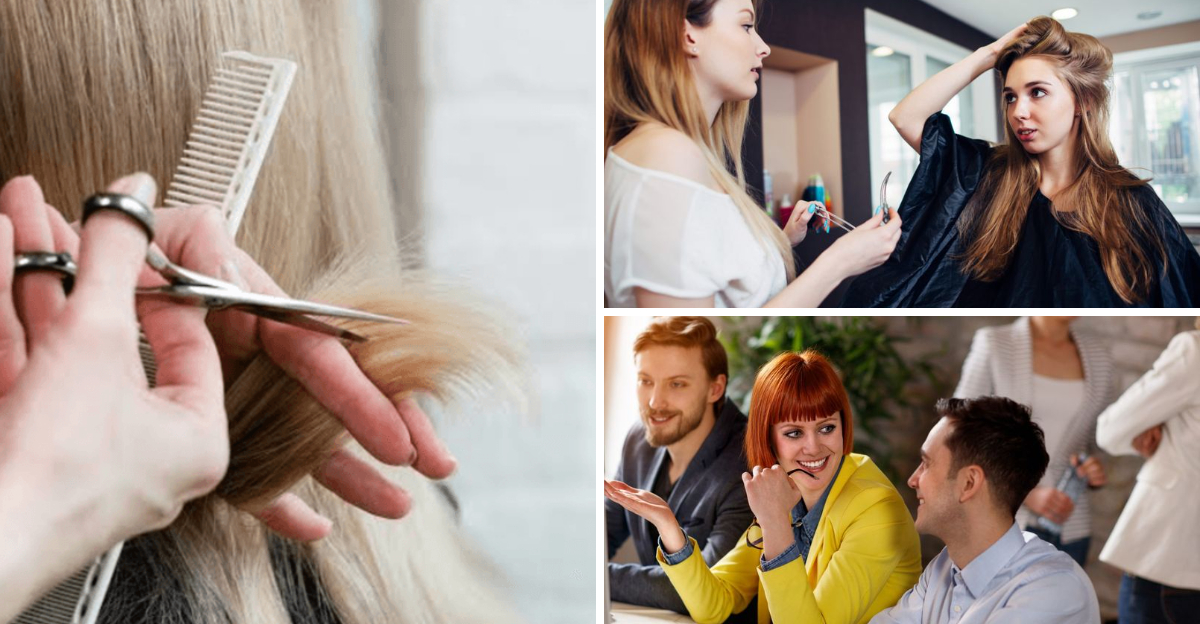 Here’s a hard truth: most haircuts aren’t as dramatic as we think they are. Unless you’ve gone from a buzz cut to a full afro or shaved one side of your head, the change might be subtle enough that it blends into the background of your overall appearance. Our brains are wired to focus on what’s familiar, so when you change something small, it doesn’t always register as a “new” you. This isn’t to say your haircut isn’t important—it’s a form of self-expression, a way to refresh your look and boost your confidence. But it’s worth asking: Are you expecting others to see what you see in the mirror? Sometimes, the real transformation happens inside you, not in the reactions of others.
The Illusion of Control in a Chaotic World
 There’s a strange comfort in believing that our actions will elicit a specific response from others. When we get a haircut, we might imagine that it will spark conversations, compliments, or even envy. It’s a way to feel in control of how we’re perceived. But life doesn’t work that way. People are unpredictable, and their attention is fleeting. The lack of reaction to your haircut might feel like a loss of control, but it’s also a reminder that you don’t need external validation to feel good about yourself. True confidence comes from within, not from the fleeting glances of strangers or acquaintances. The next time you feel disappointed by a lack of notice, remind yourself that your value isn’t measured in reactions.
What to Do When No One Notices (And Why It’s Okay)
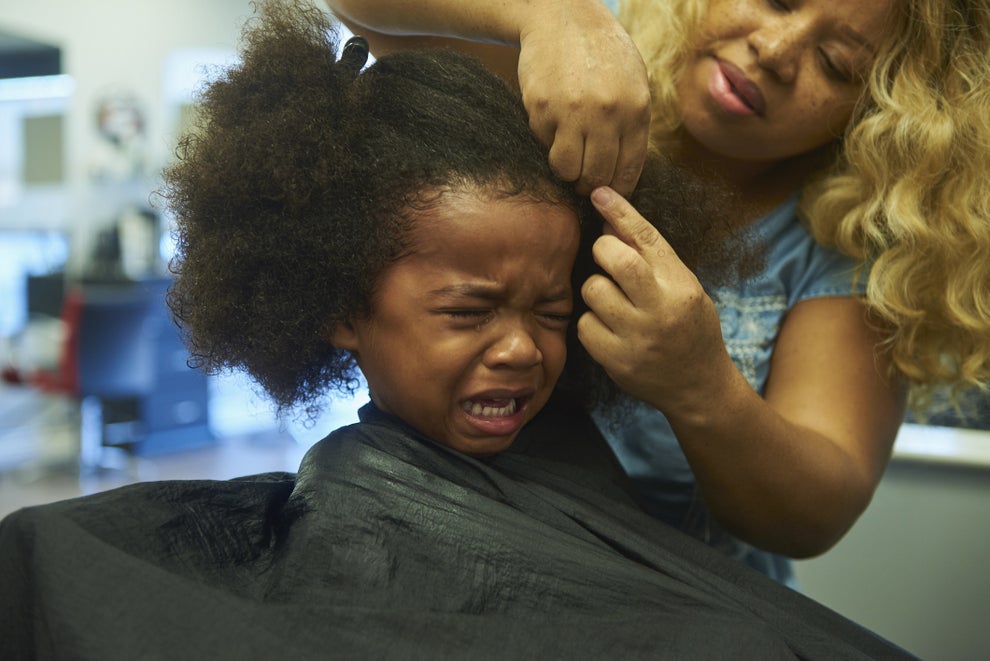 So, what’s the solution when no one seems to care about your new haircut? The answer is simple: don’t wait for it. Wear your haircut with pride because it makes *you* happy, not because you hope it will make others happy. If someone does notice, great! If they don’t, that’s fine too. The goal isn’t to force acknowledgment but to cultivate a sense of self-worth that doesn’t rely on it. Think of it this way: if you’re constantly seeking validation for small changes, how will you handle the bigger challenges in life? Start practicing the art of self-satisfaction now, and you’ll be better equipped to handle the ups and downs of how others perceive you. After all, the only opinion that truly matters is your own.