
Long hair is magnificent, isn’t it? It cascades down, frames features, and often represents a stylistic statement we’re proud of. Like a beautiful, flourishing garden, long hair requires a certain amount of careful tending to maintain its vibrancy and health. We all want it to look its best – shiny, strong, and full. But beneath the surface, just like a garden starts to encroach upon itself, long hair can harbor damage and develop issues it might seem glamorous to hide. This is where the “trimming” step becomes absolutely crucial, and not just a vanity move, but a fundamental act of care for your hair’s well-being.
Snipping Away the Damage: How the “Garden Path” Keeps Your Hair Thriving
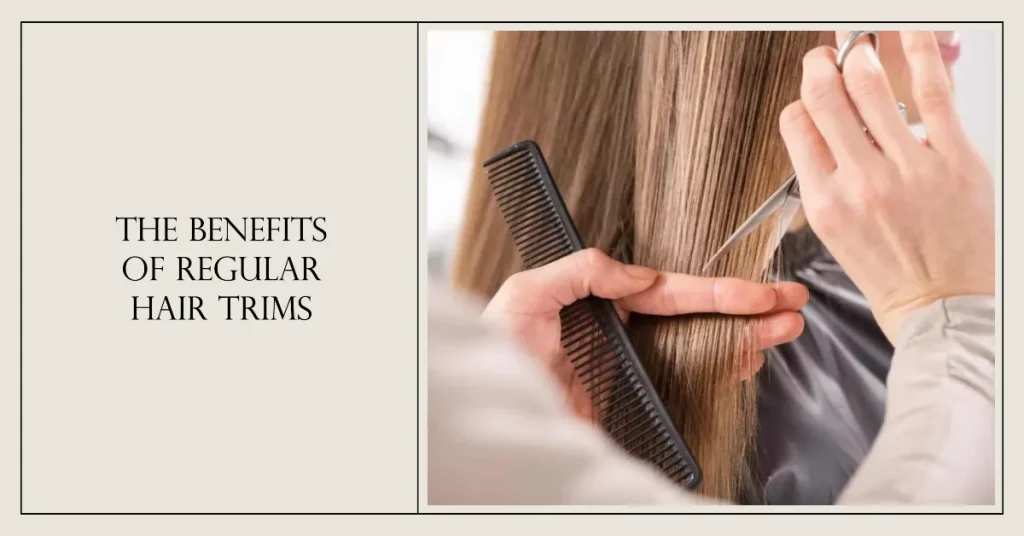
 This image beautifully contrasts two concepts: the captivating allure of long hair and the meticulous care required to keep it in pristine condition. Just like cutting the harshest weeds in your garden prevents them from choking out your roses, regular trims prevent split ends and breakage caused by minor damages accumulating over time. These split ends travel up the hair shaft – this is an unsightly process known as split ends propagation. Trimming precisely removes these damaged ends, halting this degenerative process and allowing the hair behind to remain intact and healthy. It’s about preventing, not just curing.
The Presentation Always Looks Its Best
 Why does hair seem fuller and healthier with regular trims? Because trimmers deal with the ends. Product buildup, environmental aggressors (pollution, sun damage), humidity, and even natural protein loss can all affect how hair looks from the outside. Over time, these factors can make hair feel heavy, appear dull, tangly, or simply not hold styles as effectively. Trimming removes this accumulated layer of imperfection at the most visible point – the end. With less weight, bulk, and debris at the tips, the hair feels lighter, looks glossier, and the beautiful volume you desire holds better throughout the day. Think about removing clumps of weeds from the top of your garden beds – suddenly, everything looks cleaner!
Protecting the Roots: Investing in Future Health
One of the often-overlooked benefits, though perhaps one of the most crucial, is how protecting the ends contributes to the health of the roots and scalp down the line. This principle isn’t entirely dissimilar to nail care (a practice surprisingly overlooked for hair longevity too). When you remove damaged ends, you’re essentially allowing the hair follicle to feel less strain from trying to support a damaged structure higher up the shaft. Healthy ends mean less stress on the hair’s natural growth cycle. By investing a little time and money every few months, you’re not just giving your hair an instant facelift; you’re supporting its intrinsic health mechanisms, ensuring future growth looks its best for longer. It’s preventative care, focused downwards, investing in the future, garden style.
The Foundation for Real Health: More Than Just Style
 Long hair puts a significant amount of stress on its own weight and against gravity, day after day. Without regular maintenance, this stress can manifest physically as weakness in the hair structure, leading to more breakage than a hair might naturally experience. A sharp trim helps remove any structural weaknesses at the tips, essentially strengthening the hair from where it matters most – the end points that bear the brunt of daily handling, styling, washing, and environmental elements. Think of it as the structural integrity of a skyscraper; reinforcing the foundations (the base of the hair shaft) is vital, but also keeping the weight-distributing elements (the ends) sound prevents the whole structure from collapsing under its own weight over time.
The Clean Shape, The Confident You
 Ultimately, the core reason many skip trims is that they let things get a little wonky until they feel they have to do something about it. Regular, professional trims help keep your hair lines sharp, your edges crisp, and your shape clean and controlled. This isn’t just about vanity; feeling good in your own skin, looking polished, and presenting your best self often starts with hair that looks cared for and is in harmony with your overall style. It’s the equivalent of keeping your garden beds neat – it just feels… better. The decision to trim isn’t just about preventing damage; it’s about actively choosing to cultivate health and confidence in what you present.