
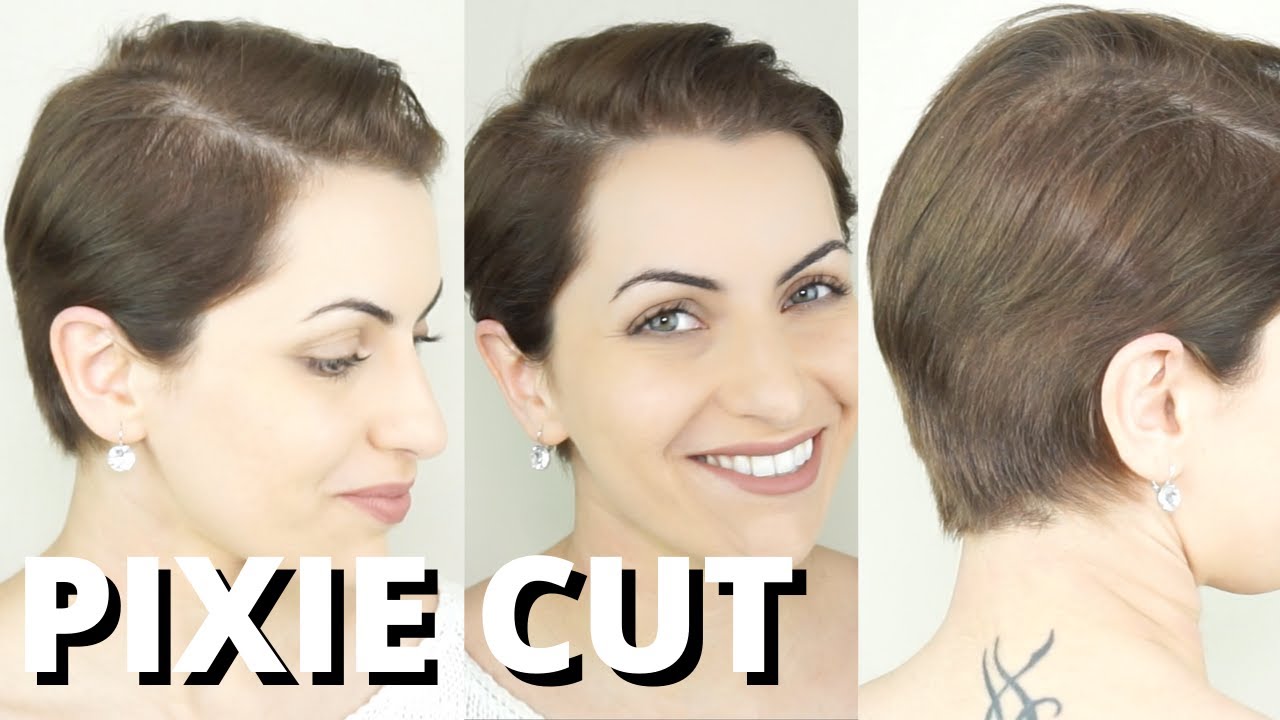
The haircut chair, usually occupied by a skilled stylist, sometimes becomes an unexpected guest in our own homes. There’s a peculiar kind of magic in the simple act of picking up clippers or a pair of scissors, only to find a mirror staring back. This workshop isn’t just about learning techniques; it’s about embarking on a journey of self-reliance and discovery. We start with observation – the way light catches certain angles, the problem areas that seem to multiply in the mirror, the desire for a specific look that feels just out of reach. This drive, the compulsion to How Can I Cut My Own Hair In Layers, isn’t merely about saving money; it’s rooted in a deeper fascination with control, creativity, and the intimate process of transforming our own appearance. The thrill of nailing that precise layer or achieving that unexpected cool look is a powerful motivator.
Crafting Layers with Precision
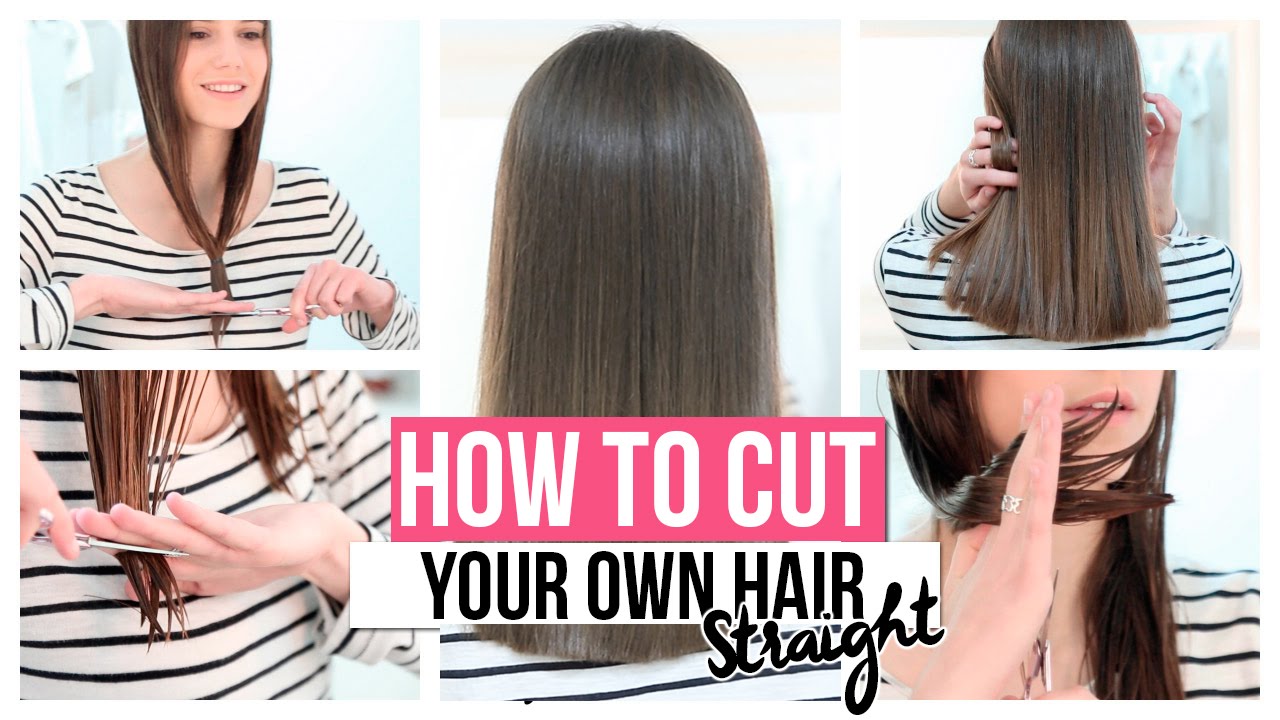 This image captures the essence of layering: using sharp edges and careful, systematic cutting to define specific lengths. Layering isn’t just about changing volume; it’s about creating dimension and movement. By eliminating weight from certain sections of hair, layers allow light to reflect differently, making the hair appear lighter and frame the face uniquely. Precision is key, even with layers, to avoid a choppy or uneven look.
Mechanics of Layering for Curly Hair
 Curly textures add complexity, and layers become a strategic tool to enhance or soften them. This guide demonstrates how understanding hair texture informs layering. Hiding the thicker part or adding lift at the roots can distribute weight and encourage more defined curl patterns. The fundamental goal here, often addressed in How Can This discussions, is mastering the construction technique to work *with*, not against, the hair’s natural tendency.
Creating a Wolf Cut in Three Minutes
 The “wolf cut” speaks to a desire for bold, edgy layers that shorten the hair dramatically while using texture. Achieving this seemingly quick transformation requires specific terminology and methods, yet it also hints at a fascination with immediate results. This tutorial likely demystifies the process, showing that while speed requires efficiency, the underlying skill remains crucial. It addresses the “how” – how layering acts as a visual and physical tool for drastic change.
Step-by-Step: Short Hair Solutions
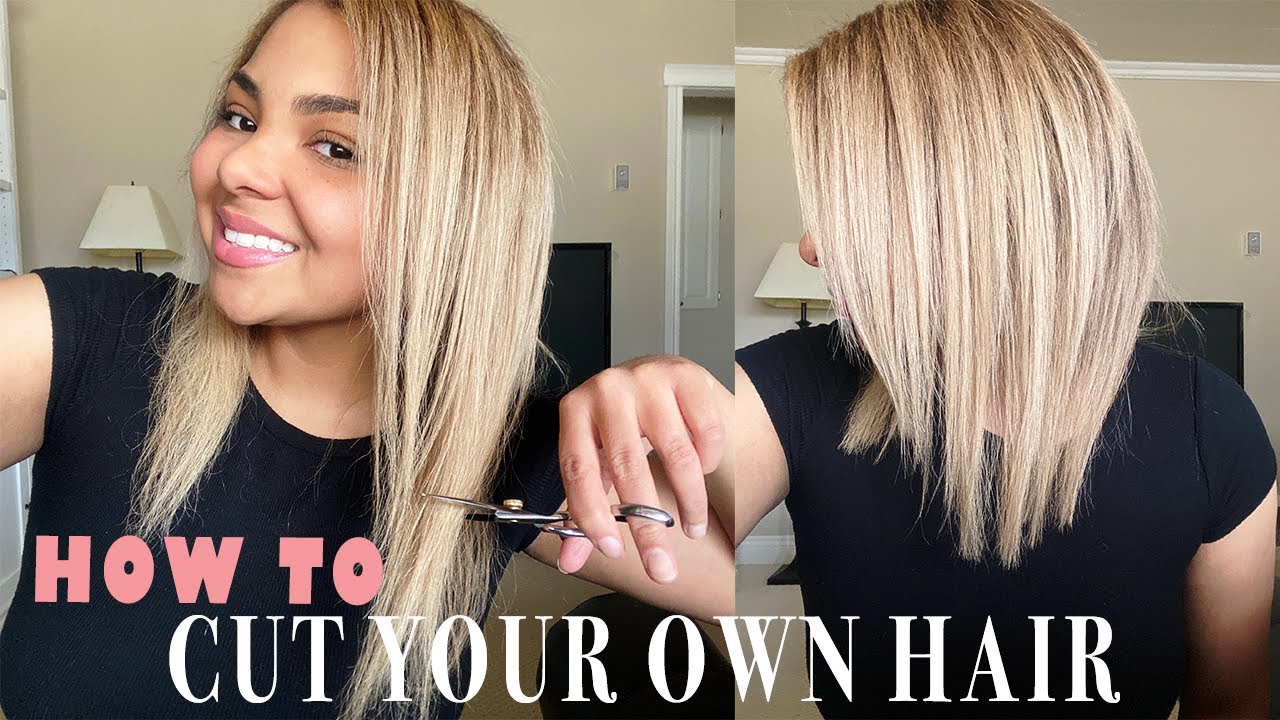 Short styles are notoriously tricky. This detailed approach likely focuses on the challenges of layers at the back of the head or the precision required for undercut and fades. Achieving length consistency and the right layer distribution is crucial. This tutorial, offering a step-by-step guide, taps into our observation of the difficulty but hints at a deeper reason: the thrill of conquering a complex technique to achieve a bold style that might otherwise be intimidating or prohibitively expensive.
Long Layers: Speed and Style
 Long hair remains dominant, but layers are the secret weapon for modernity and movement. This tutorial positions layers as an easy way to refresh a lengthy style, preventing it from looking flat or dated. It addresses the observation that even seemingly “simple” long layers can be transformative, suggesting efficiency through understanding the layering process and confident handling of the tools. The quick tutorial format hints at an appreciation for accessible knowledge and effective methods for busy individuals.